





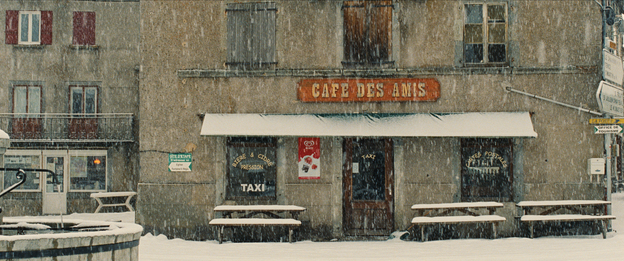
Raymond Depardon and Claudeine Nougaret’s Journal de France, a quiet, inquiet, incisive and drifting study of their fifty-year collaboration and life in photo and cine-journalism.


Journal went straight through the eye to the heart, reminding me of all the driving I have done throughout France on the way to Italy, the footage I have filmed around the globe. The best art reminds of ourselves and our own lives always.
Some of the most arresting cine-images and moments were not North Africa, Venezuela or Czechoslovakia in political turmoil but the still images taken in quite places along French roads.


Norman Lloyd’s talk in the Salle Buñuel was a lesson in theatre, film technique, Shakespeare, Renoir, Brecht, Chaplin, Welles, Hitchcock and Kazan, and how to keep your mind a steel trap well into your nineties. I don’t know if he eats nothing but blueberries but he must be doing something right.
In an age when aging (see Haneke’s Amour) is often told in tales of sad decline, this man stands out as an object lesson of hope for all. The session was one of the highlights of Cannes in 2012. Holding his audience spellbound, Lloyd, a 97 year-old veteran of acting, directing and production, took listeners through the best part of the pantheon of cinema (the first 60 years of it). What and who he didn’t know simply wasn’t worth pursuing.

Lloyd, stage and film actor
It wasn’t just that he knew so many of those who were crucial to the development of 20th century cinema, it was he knew what they knew and why they knew it – and above all he could tell us how and why he knew what they knew. He understood their brilliance with exacting modesty, placing himself in the role of pupil to all of them. Yet for all intents and purposes he was their equal in collaboration, a creative confidant in so many ways; he travelled through film history with them not because of them. Lloyd’s contribution to film is real, tangible and deep. When he recounted how Hitchcock – a decidedly unpolitical man – with three words to NBC, “I want him” dissolved the McCarthy blacklist era, the entire audience in the Salle was stilled. Lloyd’s part in McCarthy’s ruination was just one anecdote in many. Politically involved and motivated throughout his career, Lloyd was a close friend to Jean Renoir, Chaplin, Welles and Hitchcock. Lloyd was at the heart of theatre and cinema for nearly fifty years. One of the best moments of the night was his recollection of the lines of Bertolt Brecht: “Since the people are displeased by the government, the people must be replaced.” The sharpness of wit, his breadth of cinematic knowledge was stunning.
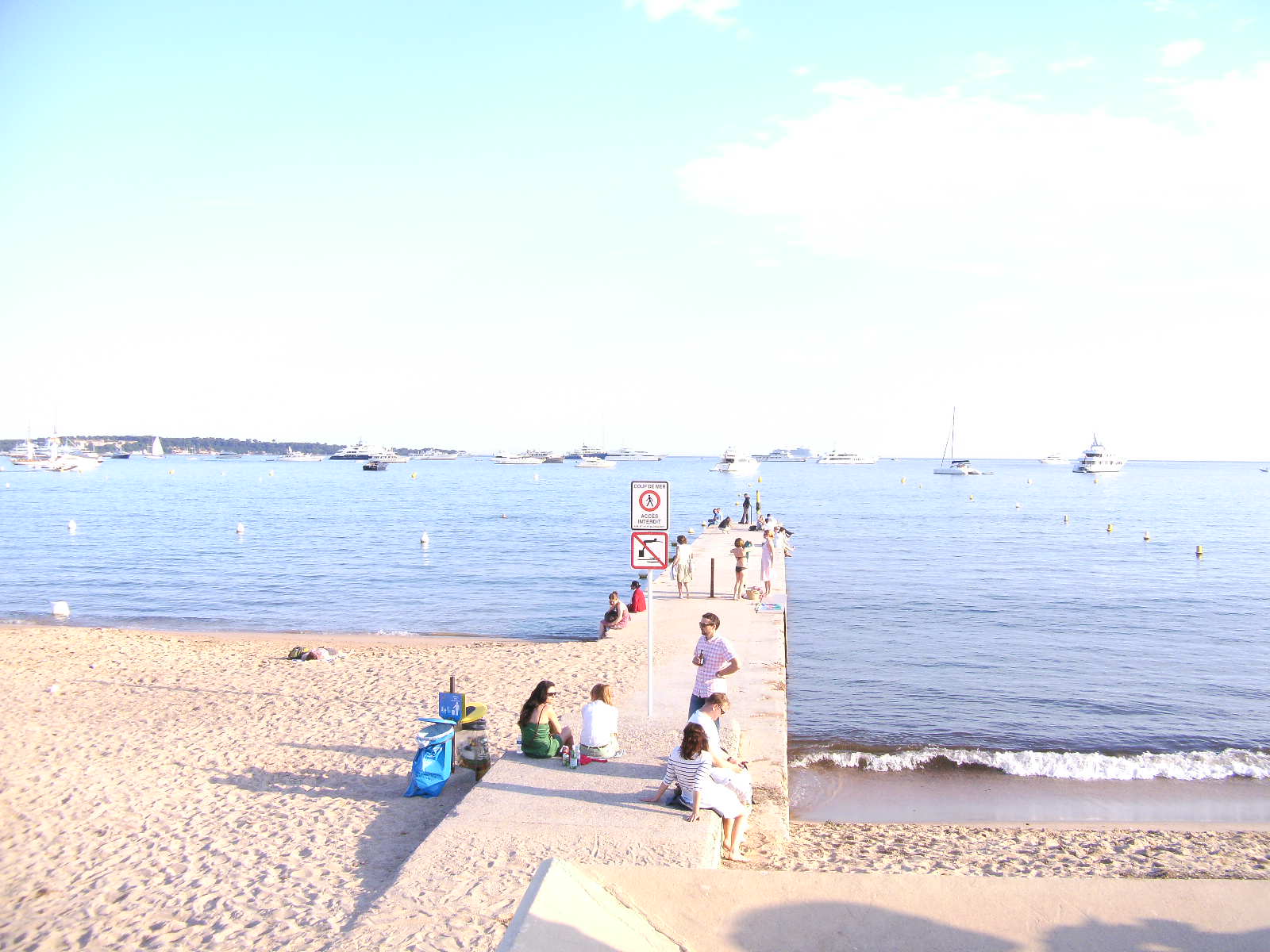
2012 brought rain, and not so many memorable filmic moments, but there were a few. Cannes at festival time is always unique, with a special experience lurking somewhere even if a downbeat mood hung over the Mediterranean resort as it did for several days. The Cannes festival finds a way to transcend gloom whatever weather blows in.


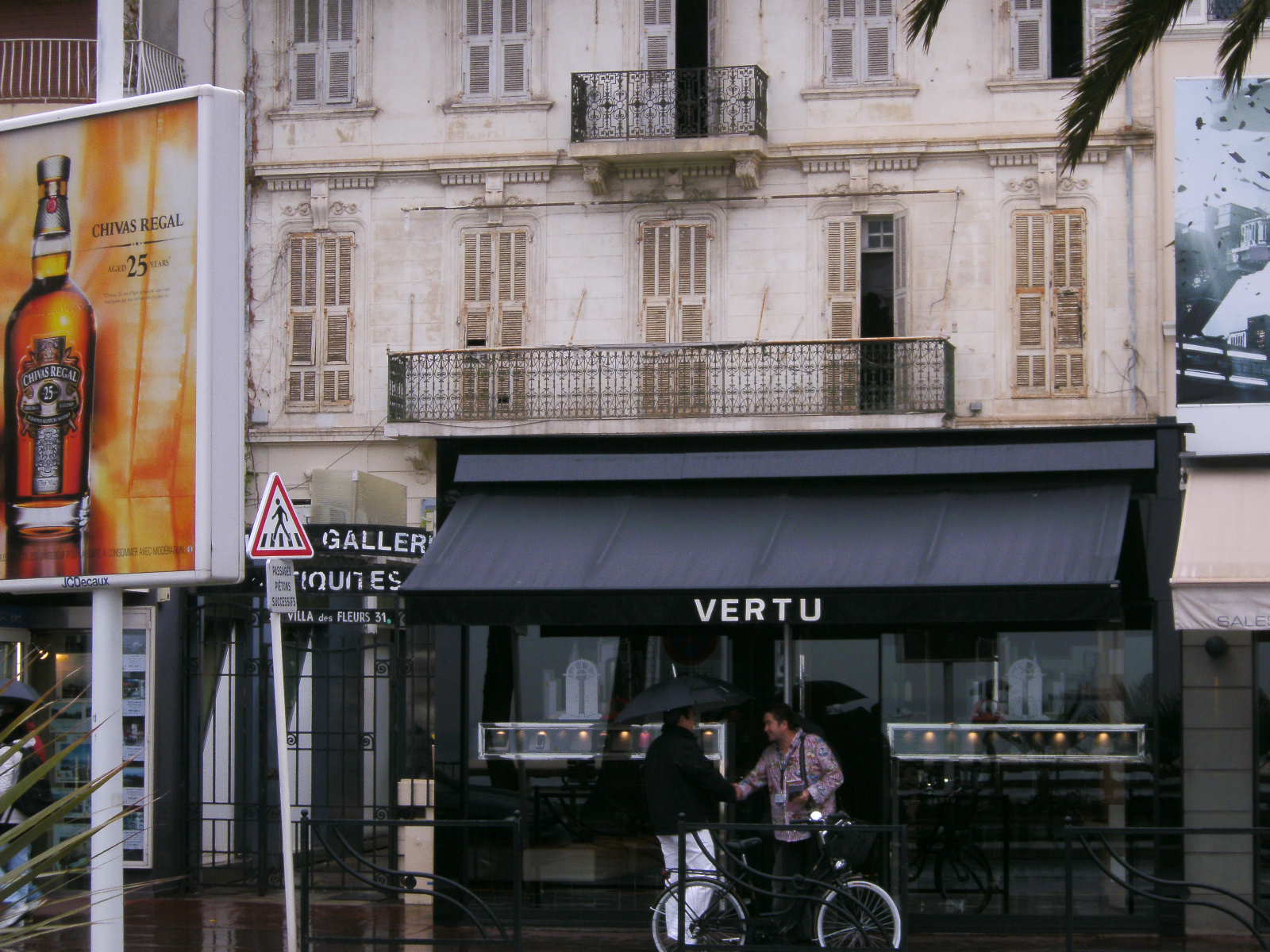
Still, for all the ability of Cannes to transcend itself, I was left with the impression that this year will not figure among the list of the best festivals. That said, a gentleness hung in the air I liked, replacing the more manic moments I have seen in years gone by.

I was late in arriving and saw Roman Polanski present a reworked Tess on the evening of May 21. It is hard to remember what the original release in 1979 was like, but it doesn’t figure in my memory anywhere near as good as this version. Now the story seemed to make complete sense. Now we saw Hardy’s vision up on the screen. The two great adaptations of Hardy novels I have seen, Far From the Madding Crowd and Tess (of the D’Urbervilles) are epic cinematic experiences for any age and epoch.
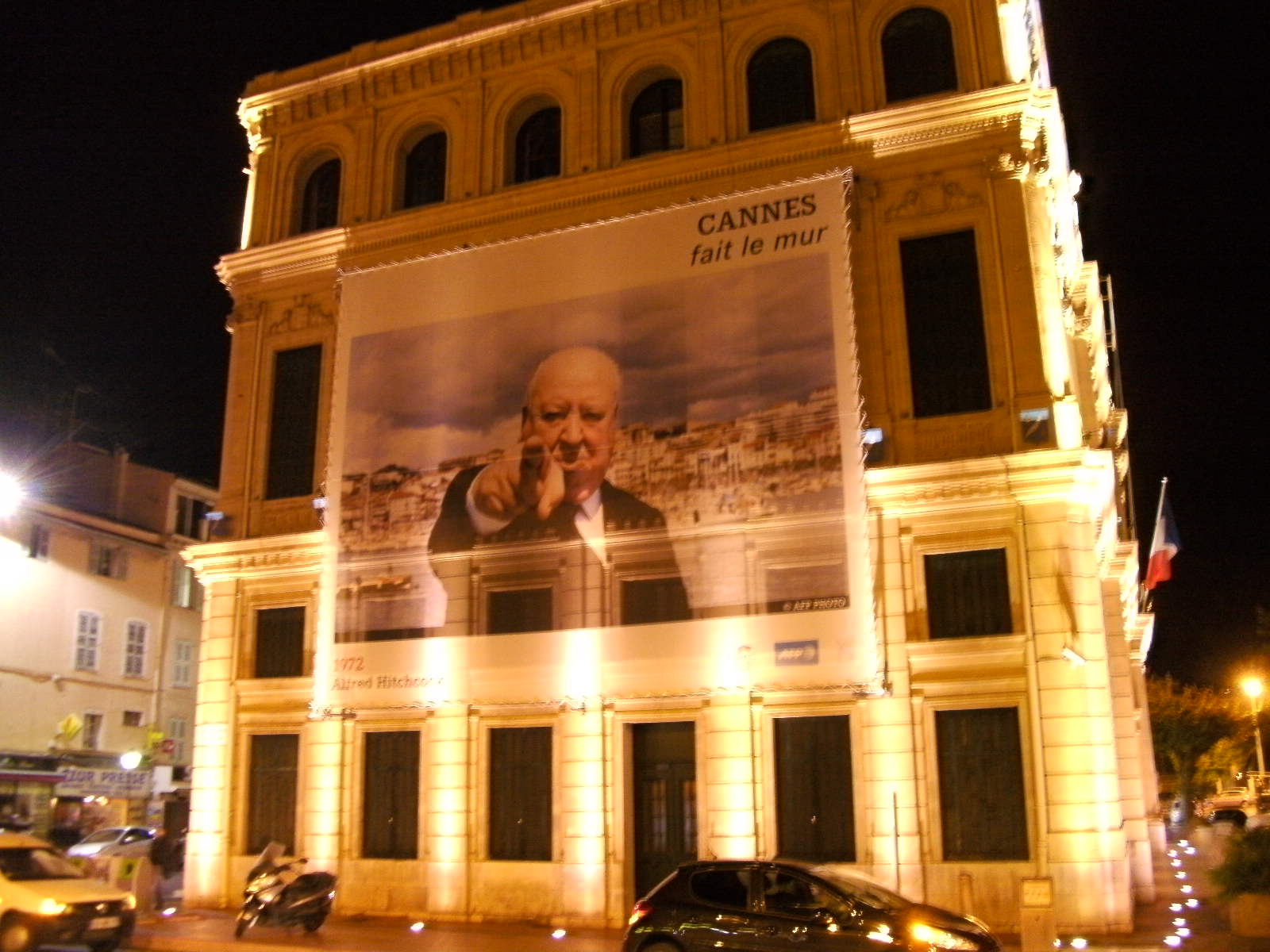
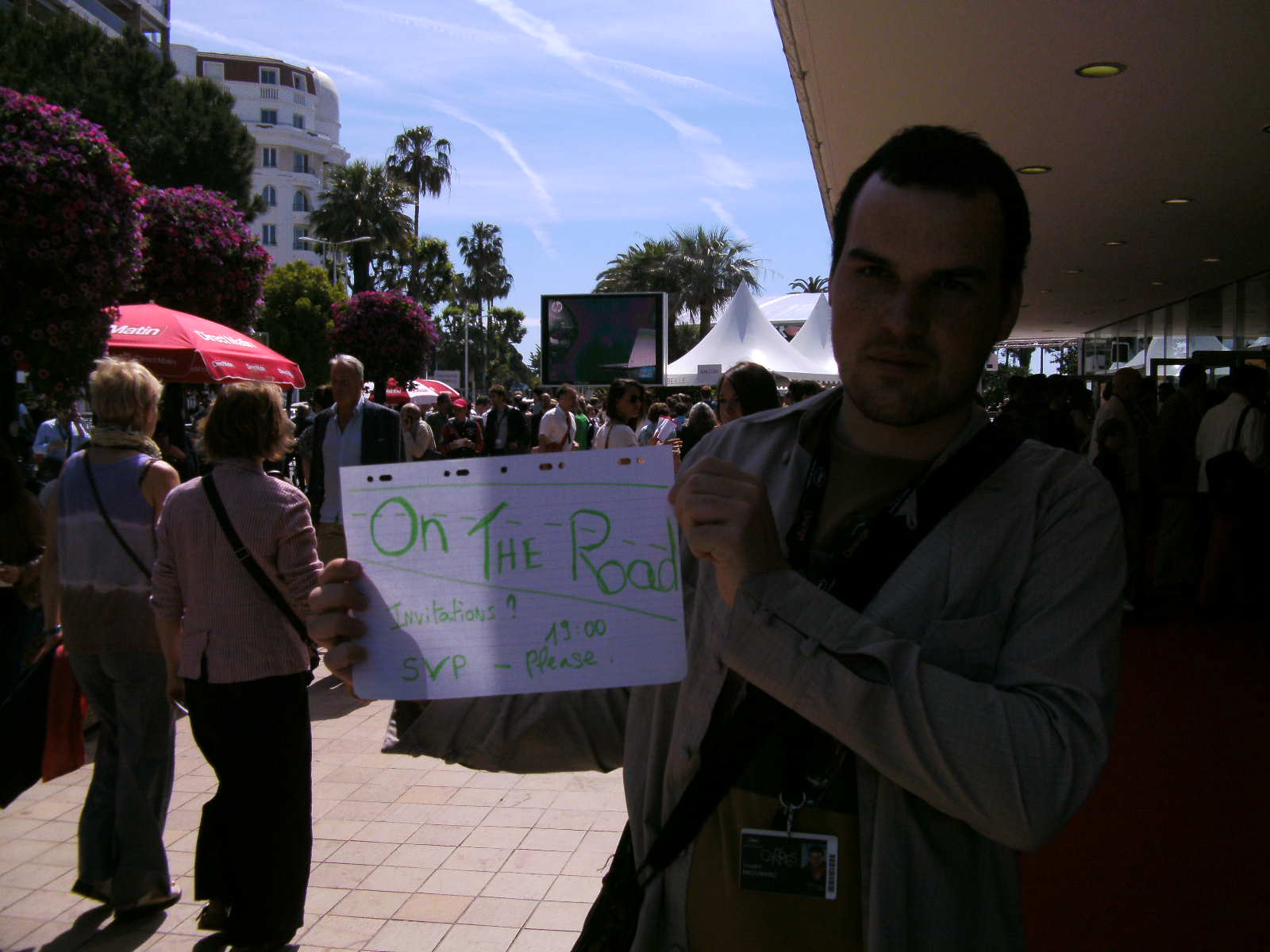
Late in applying for accreditation as I was, film badges presented difficulties. Getting into the venues I wanted to be in was not straight-forward. One day I set out to bus from Golfe Juan to get to a screening of On the Road in Cannes. I gave myself ample time but three, then four number 200 buses from Nice went by, all full. Running to the train station I found the train for Cannes La Bocca was cancelled; train workers were on strike. Then I had to wait nearly thirty minutes for a train to Cannes itself. Show time for the film was five o’clock and that time was looming. Finally I was able to take the train as far as Cannes and then tried walking the rest of the way in the rain but had to give up. The film began while I was still two kilometres away from the cinema. There were probably no seats left in any case.

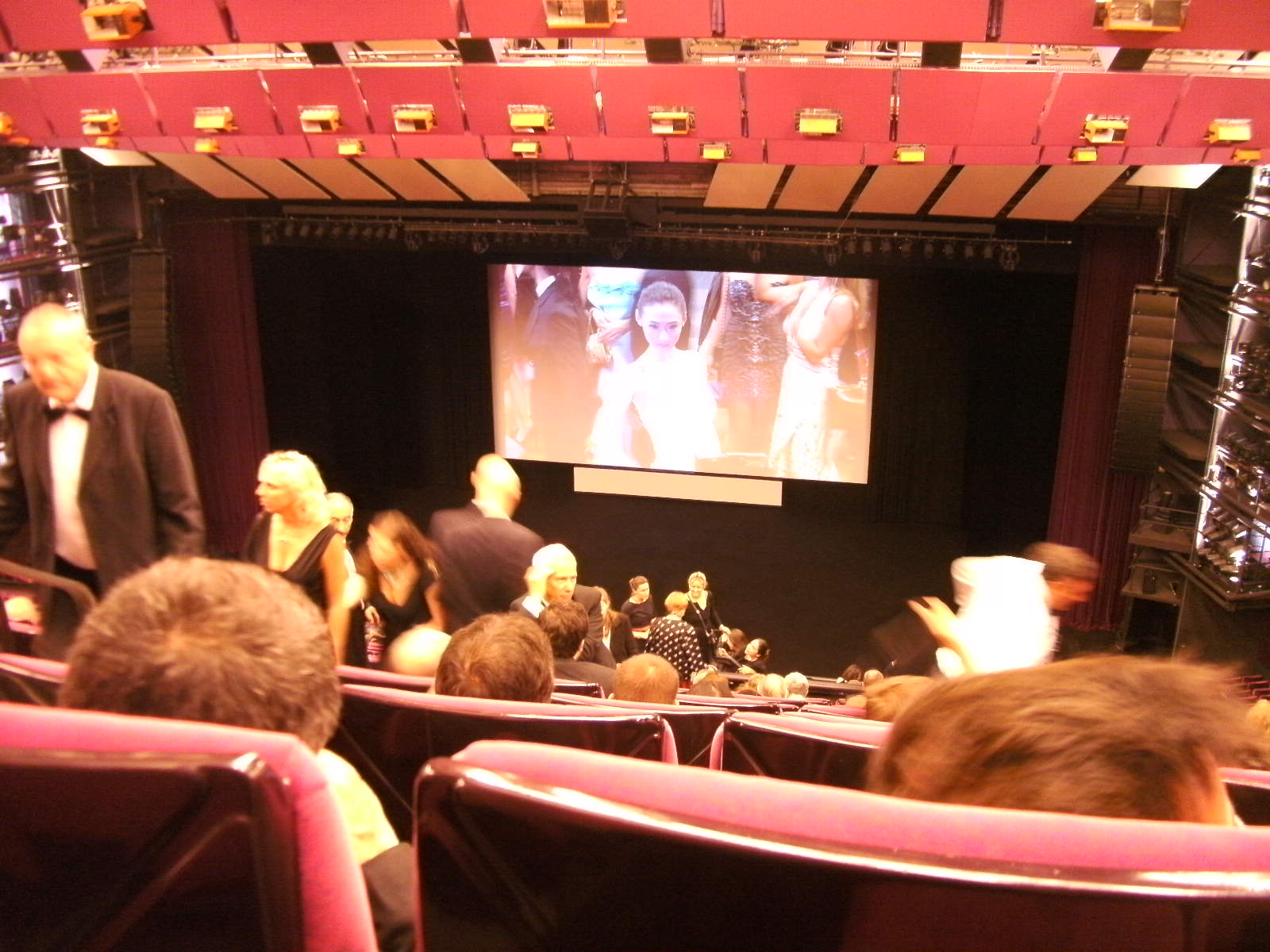 The next re-screening of Jack Kerouac’s era-defining novel was on the last day at 9 am, but as I was at a screening of the Korean, The Taste of Money, up until two am, I missed that screening as well.
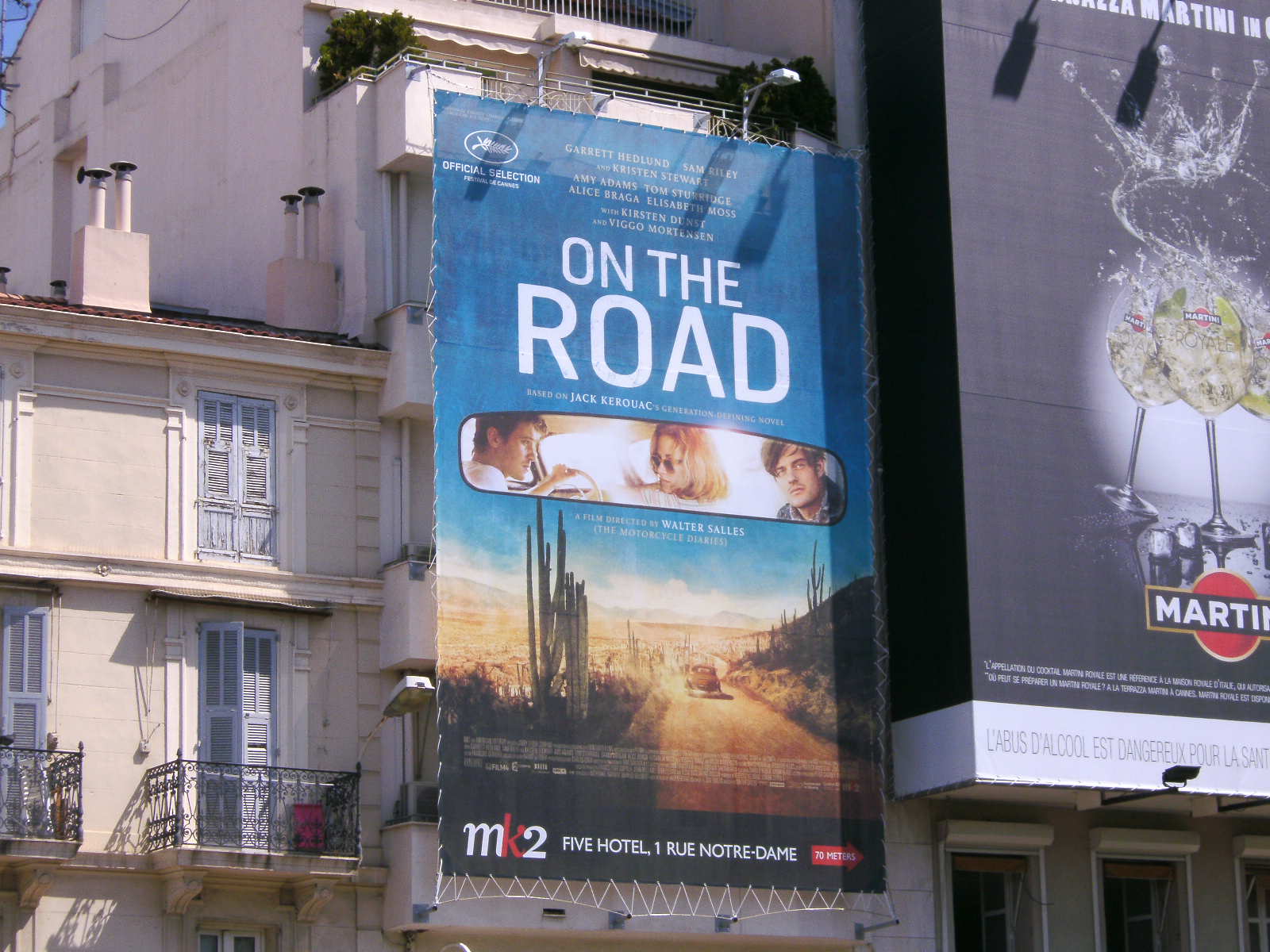
I had re-read Kerouac’s novel carefully and really enjoyed it. I was looking forward to the film adaptation of it. However lukewarm the reviews, I wanted to see On the Road more than any other film. I wasn’t the only one.
I did make it to Holy Motors at 11.30 am that next morning, and left thinking, except for a couple of wild scenes, what was all the fuss about? Overall Carax’s style is manufactured shock-treatment, a director setting out to do the impossible in 2012, shock us; you can’t shock anyone in a cinema anymore, only bore or pleasantly surprise audiences. The lead actor was bravura, but as Irreversible did some years back, the film’s attempts to violate left me cold, even colder when it calmed down into quiet film parodies. I left the theatre thinking, we have been down this road before (with David Lynch, perhaps). I didn’t bother with Cosmopolis. Reading DeLillo’s book, seeing the film trailers, convinced me there were no surprises to be had in it. I wasn’t alone on that either. There were better things to do.
I saw the American Mud. Sustained irony might have helped it along, though it was easy on the eye and on the mind, that’s if you’re into 14 year old cute boys, Matthew McConaughey without his shirt, or Reese Witherspoon, if any or all of them float your boat.

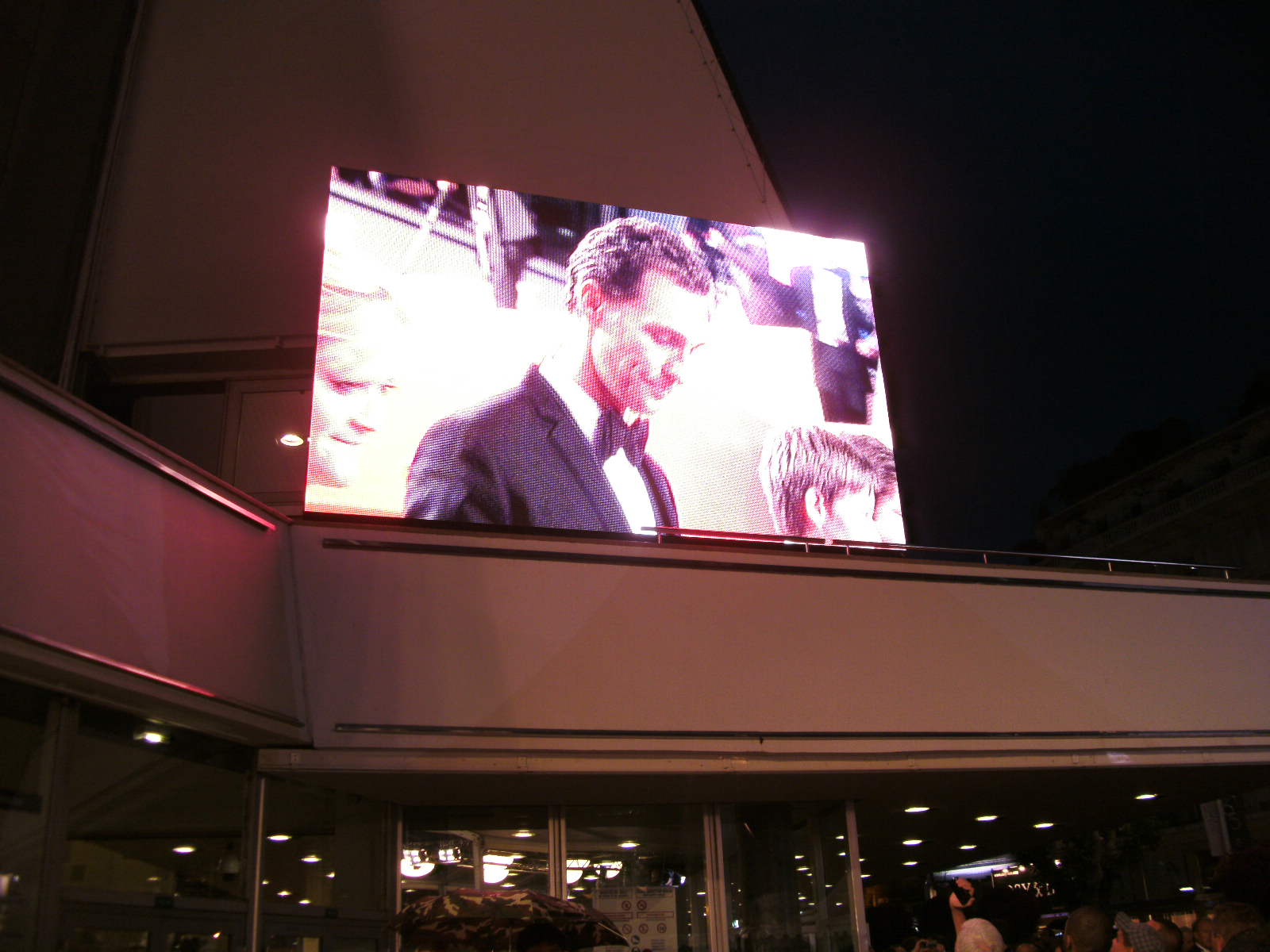
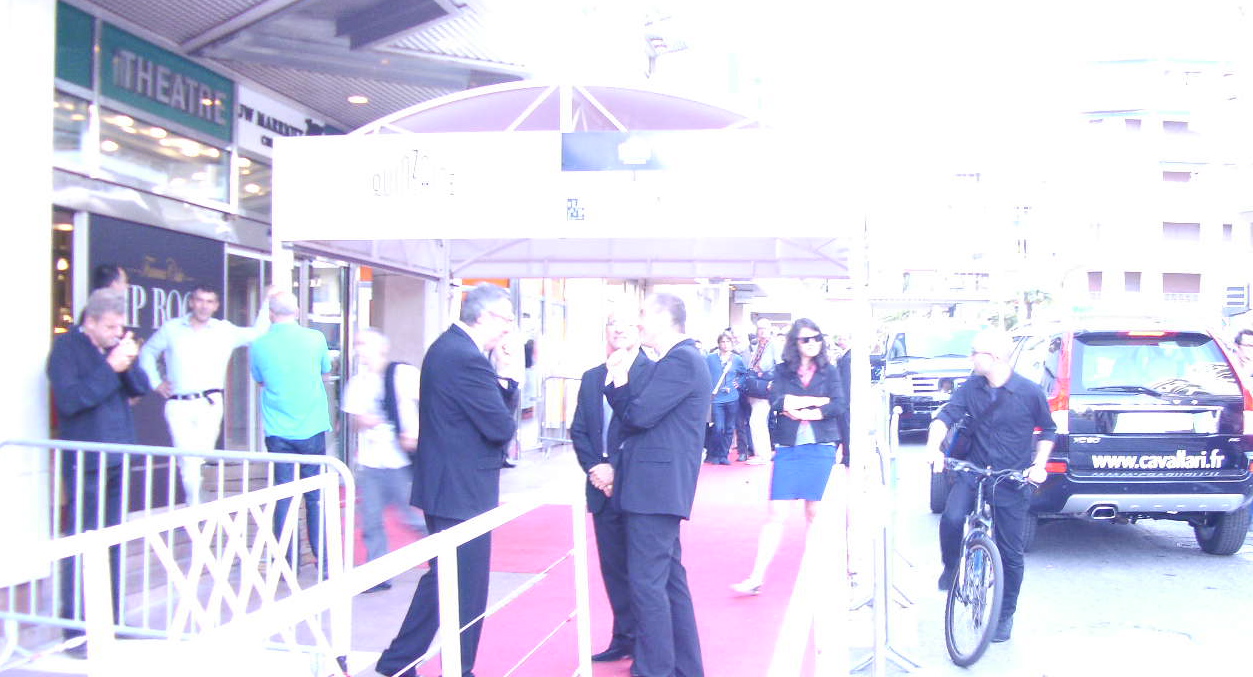
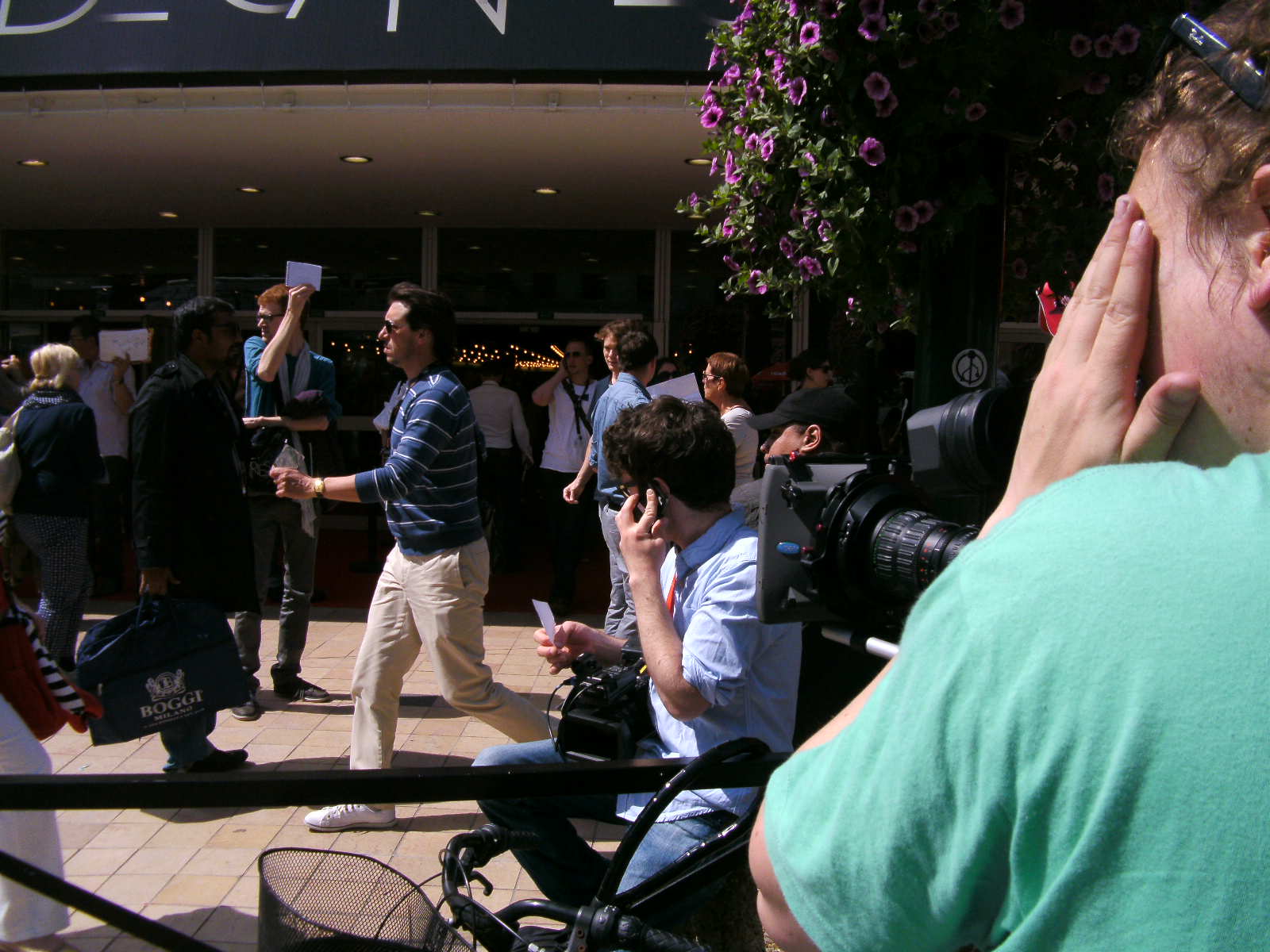
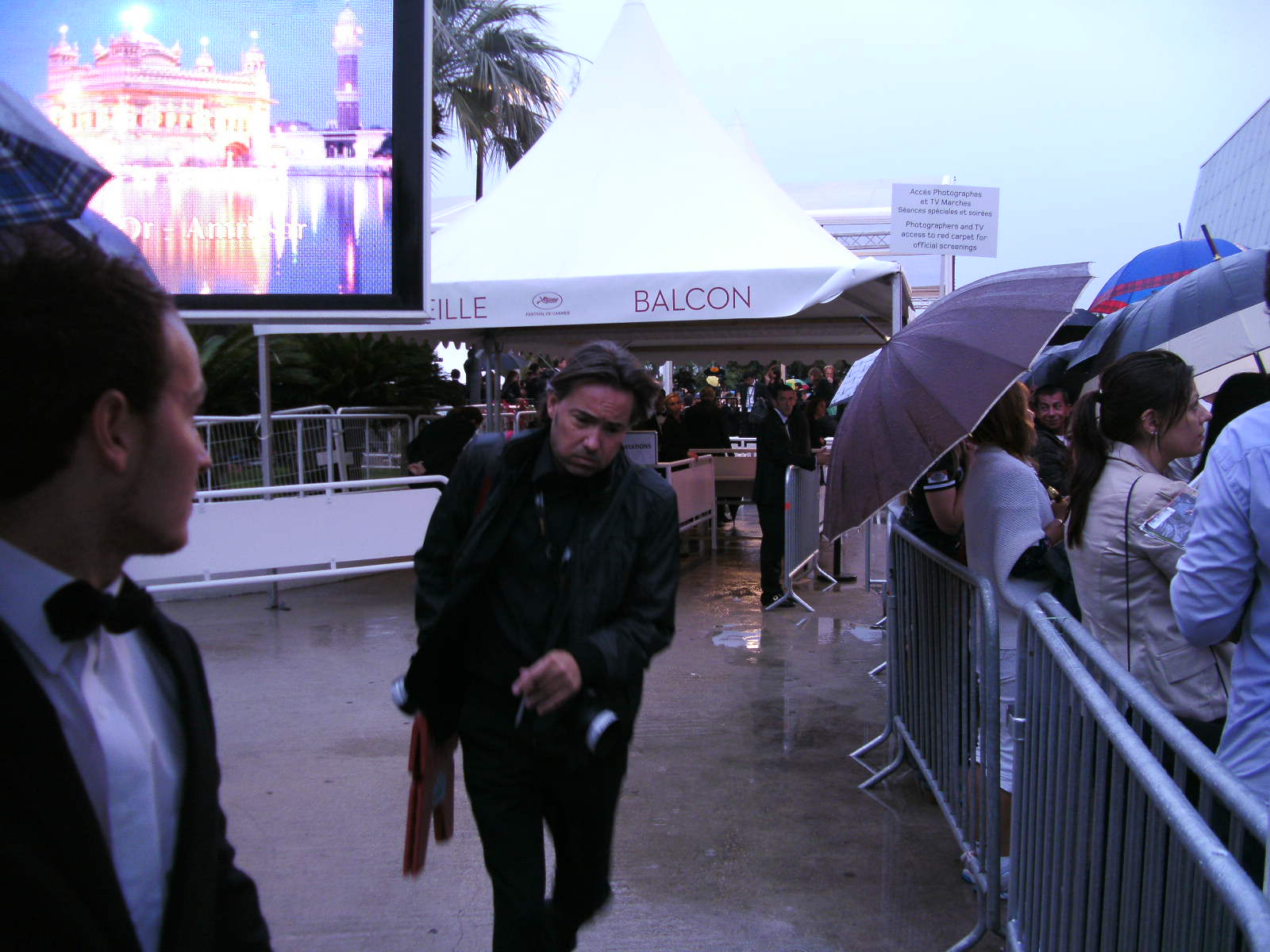
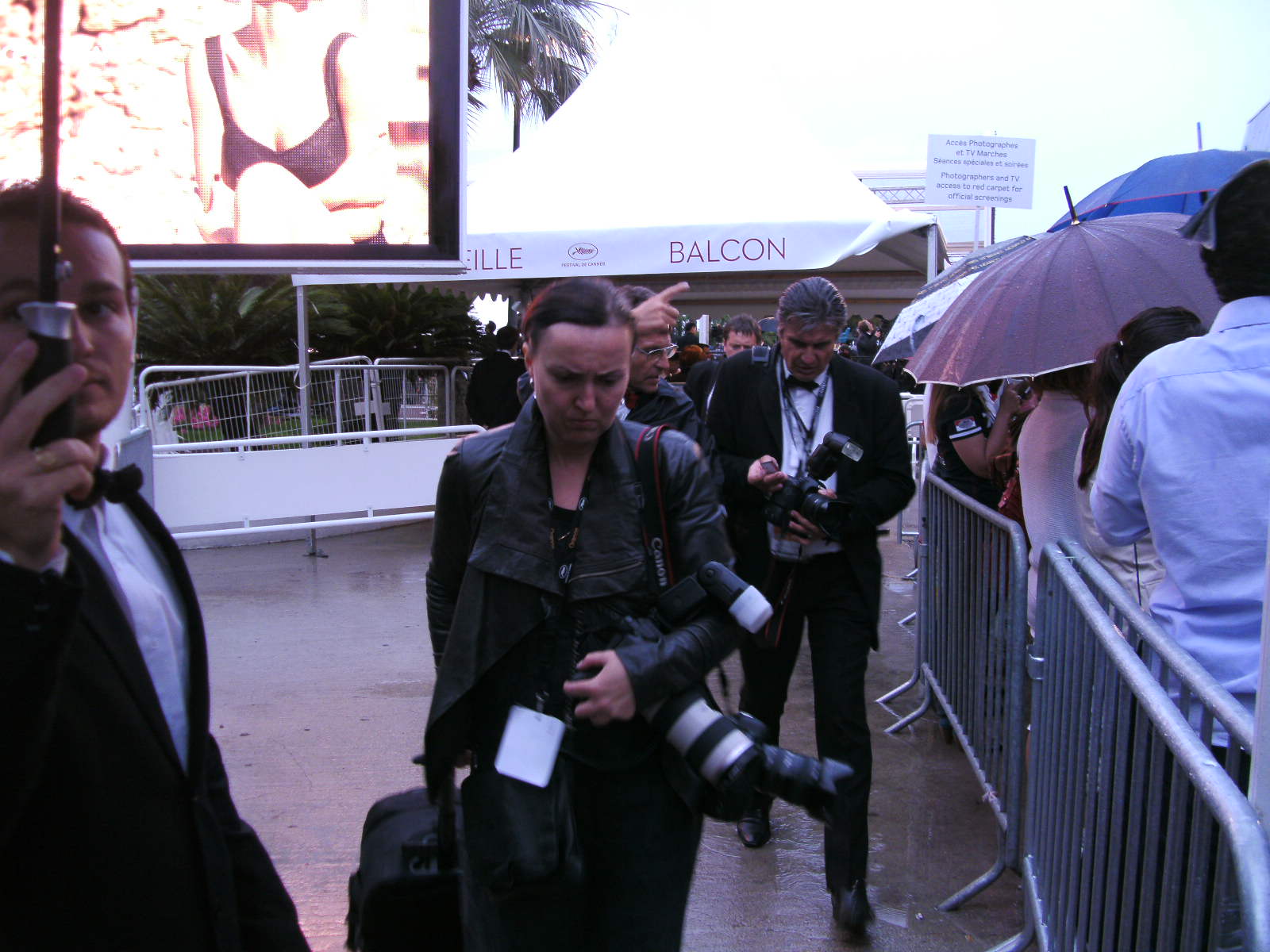
I didn’t have tickets for the closing ceremony in the main auditorium, joining journalists in the cinema adjacent. I saw the event in close circuit cinema in row two. Before that I took pix of photographers running from the red carpet to the action inside. They didn’t look pleased to be pixed. Weird, photographers hating having done to them what they do ad infinitum to others.
 After the awards were handed out, I stayed second row to see the late Claude Miller’s Thérèse Desqueyroux (something I didn’t regret doing). I felt more at home in that pre-modern space of 1890-1930 set cinema. Miller’s film set in 1928 rural France is beautifully realised, by a master of period cinema, just as is Polanski’s Tess set thirty-seven years earlier across the channel. Both films deal with misunderstood women who suffer injustices. Both are big, slow moving, carefully manicured epics that did nothing to unmake my festival.
..handheld shaky cam, found footage, ultra-violence, meta-storylines, etc., all becoming part of the broad pop cultural landscape and assimilated into the commercial marketplace. This translates across all cultural lines – music, art, technology, etc. as the outsiders and untouchables of yesteryear are today’s TV spokesmen and tastemakers..
…experimental film seems to represent more fully the true potential and magic of cinema
…for brief moments in history, think the ‘beats’, the real ground-shakers, the true risk-takers, manage to do something that is life and culture affecting, their minds drafting the future…
Away from the homages, special screenings, classic films, away from the red carpet ride to that palace of dreams, away from the Cinema Paradiso deep in the watery hearts of those days of ‘how it used to be before they built the new Palais.’ Away from the game before it became the game it is “guarded by thin-lipped security experts..” (Roger Ebert).
Away from: This is a business after all, bringing in hundreds of millions (billions) annually. Away from the other Cannes down in the concrete heated bowels of an airless bunker where the sharp weave themselves into tongued-tied hoarse and whispery tanglings over business fits and contracts and suits.
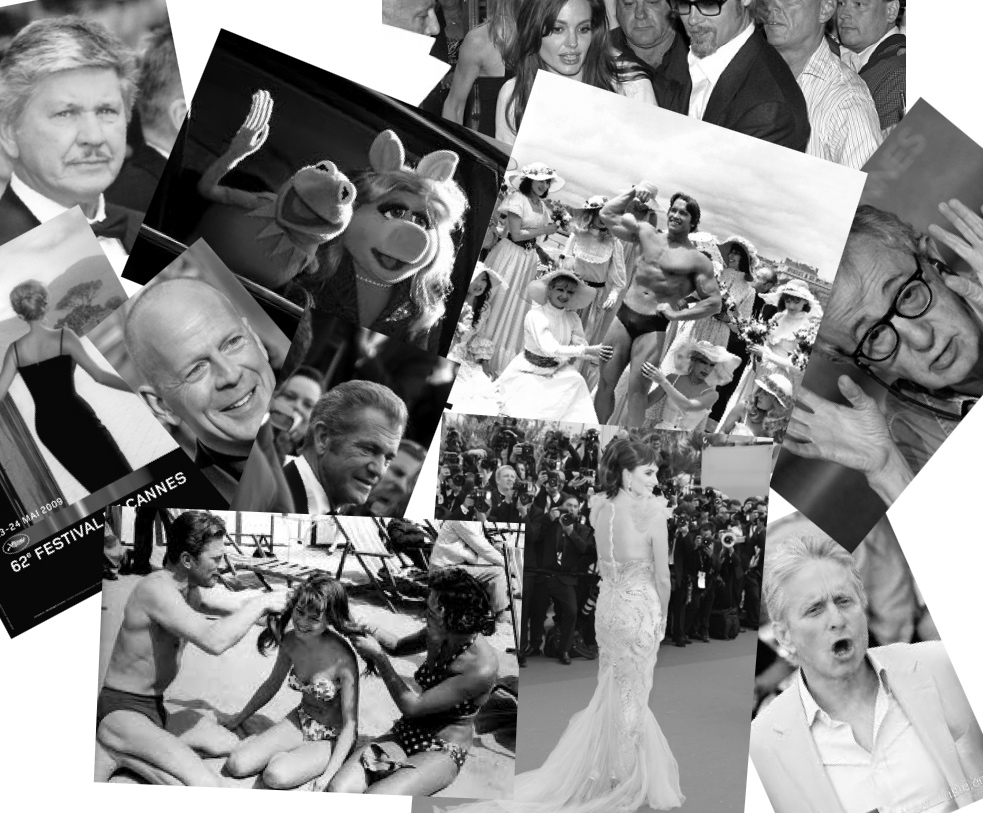
Away from the silver screen stars of present and past, Charles Bronson and Miss Piggy, Arnold, Bruce, Brad, Brigitte, Mel, Kirk, Michael, Woody or Penelope, away from the belle epoque hotel suites and facades, away from yachts as big as small apartment blocks stock stilled by the importance of those they house out in the wide bay, away from those gleaming bright decks, practiced sunglasses, strategic smiles, away from trained binocularists, the annual crush and cheap ticket ride along the promenading, skateboard Croisette, away from the blinding baroque plaster, the guest only dinners, friend-of-a-friend-who-knows-a-friend ticket-only beach parties, away from the clickety-click crush of pass-only photo shoots, prized seats under the balcony, away from ‘go easy I’m-not-wearing-makeup’, away from the bright-new-glory of my-new-found-fame, those bullish, brave, belligerent and bereft smiles, away from the silent jeering, away from the exclusion zones out in the streets.
Away from get away from who-are-you-and-who-do-you-know big films and titles, away from that winnowy fame and limouey celebrity, over in the back blue road of Mediterraneanised cinema, over in – I only hole up in the dark to witness creative endeavour – over in this other plane and train load of tourist-class, over in the world you mostly will never hear talk long enough to remember how to forget, over in the altogether smaller world of Un Certain Regard, with a jury presided over by Tim Roth.
Among the yet no-so unfamous such as Benicio DEL TORO, Pablo TRAPERO, Julio MEDEM, Elia SULEIMAN, Juan Carlos TABIO, Gaspard NOÉ et Laurent CANTET with 7 DIAS EN LA HABANA @ 2h and 5m, four first-filmers, Brandon Cronenberg (yes, that Cronenberg) with ANTIVIRAL @ 1h and 50m, Ashim AHLUWALIA with MISS LOVELY @ 1hr 50m, and Juan Andrés Arango with LA PLAYA @ 1h and 30m.
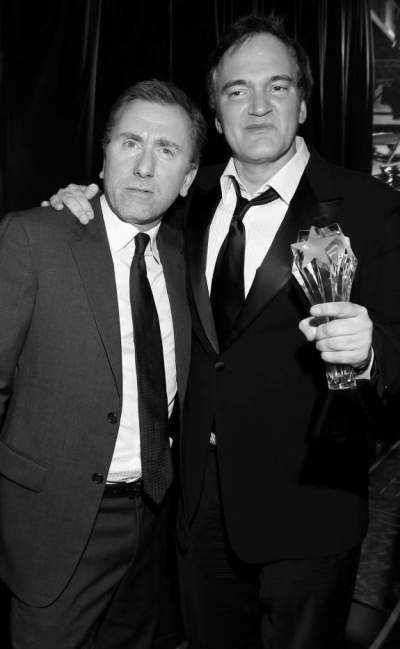
Roth’s own brit pack ever-repressed to boiling anger ride through names and changes in life and cinema from Dulwich to Los Angeles via works by Mike Leigh, Stephen Frears, Peter Greenaway, Robert Altman, Quentin Tarantino, Nic Roeg, John Sayles, Wim Wenders, Tim Burton, Woody Allen, Werner Herzog and Francis Ford Coppola seems to offer interesting, experimental possibilities as what might emerge as the final choice.


From one of cinema’s earliest experimental films, Luis Buñuel’s Un Chien Andalou (1929), to Maya Deren’s Meshes of the Afternoon (1943), winner in 1947 of Cannes’ Grand Prix Internationale for 16mm experimental film, on to the films of Cocteau, Godard, Tati, Fellini, Lynch, Cronenberg and others, the notion of the film experiment inspires admiration, distaste, love and hatred in film audiences. Commercial movies (frantic pacing, hackneyed surprise, worn-out tropes, special effects barages), with their hero and quest driven narratives, seem diametrically opposed to the whimsical, subjective, interior, asymmetric, disjointed, dream-state inspired plotless, timeless, amoral, and often carelessly created worlds of the film experiment. Yet most if not all conventional cinema depends entirely on the concept and nature of experimental film. It’s axiomatic: without the experiment there is no convention. Experiment lies at the heart of cinema not only because early cine-cameramen experimented with moving images and celluloid film created art (even if art wasn’t the intention); experiment is the fundamental ancestor of all cinema.
 A film that succeeds at the box office will often be remembered for a sequence that cites, borrows from film experimentation.
Commercial filmmakers often reconfigure ideas and approaches from earlier films, all art in fact, but they owe their largest debt to the spirit of film experiment in all its disguises.
Cannes encourages filmmakers to exhibit their experimental works in Un Certain Regard. 2012’s lineup includes sons of the famous in twenty chosen films. The route of an art film to the festival’s screens is not simple, with the spirit of today’s Deren or Buñuel struggling to shine in the annual failed attempts of filmmakers with ‘unexhibitable’ projects we never see, but without which we would know little of the true scope of cinematic experimentation.
With the global financial crisis deepening and spreading into communities (aided and abetted by years of political corruption) in recent months the number of workers in Italy who have taken their own lives has risen fast.
Below are some of their stories
See more of these printed in L’Espresso (in Italian) – 13th April 2012
13 April 2012. Sesto, Fiorentina, Firenze. Giuliano V., ex-manager, 42, died by throwing himself under a freight train. Four months before he had lost his position in the marble production sector in Garfagnana. Falling into a deep depression he had tried to create a new life and career without success.
12 April 2012. Treviso. Paolo Tonin, 53, agricultural businessman hanged himself in his business premises. According to his family, the suicide was as a direct result of the difficult economic climate his business had been plunged into.
9 April 2012. Valtiberina, Arezzo, 27, owner of a woodcutting business, killed himself in a forest by connecting a hose to the exhaust pipe of his car. Family and friends said he was overwhelmed by his debts. He had just received a tax bill for 50,000 euros.
5 April 2012. Savona. Vittorio Galasso, independent builder, 52, hanged himself in the apartment he was renovating. According to friends, he could not go on facing little work and rising debts. He left a wife and two children of 15 and 17 years.
3 April 2012. Roma. Mario Frasacco, businessman, 59. His aluminium products company failing, workers being laid off, Frasacco shot himself in his business premises. His body was found the morning after by his twenty year old son.
2 April 2012. Roma. Pasqualino Clotilde, artisan, 57, hanged himself in his framing shop. A note explained his reasons: “insurmountable economic problems.” The day before his wife had begun working in a cleaning company to help pay off family debts.
23 March 2012. Cepagatti, Pescara. E.F, businessman, 44 years, hanged himself because he was desperate over the economic situation of his window and door frame company. His body was found by his company employees.
21 March 2012. Scorrano (Lecce). Antonio Maggio, craftsman, 29, hanged himself after losing his job on an excavation site. With the job he had been supporting his widowed mother. A few days before he lost his job, he received a payment notice for rubbish collection.
9 March 2012. Ginosa Marina (Taranto). Vincenzo Di Tinco, 60, shopkeeper, hanged himself after his bank refused him help. Proprietor of clothing company he was refused a 1,300 euro loan notwithstanding his 40 years in business.
9 March 2012. Noventa di Piave (Venezia). Carpenter, 60, took his own life because delay in receiving payments from clients. His body was found by a co-worker in their work premises.
26 February 2012. Firenze. Businessman, 64, found hanging in his premises, due to economic difficulties.
15 February 2012. Paternò (Catania). Owner, 57, of an agricultural machinery company, hanged himself in his warehouse. His company had numerous debts.
3 January 2012. Milano. Giancarlo Chiodini, electrician, 64, shot himself in the head in his van parked in front of his work premises. Dedicated to his work, in recent times he had become obsessed by worry over promised contracts that did not materialise and delayed payments.
(translated by this writer)
I grew up watching Superman, The Cisco Kid, O.S.S., hearing war stories, chasing down moth-eaten army uniforms back when milk arrived in a horse and cart marvelling at the colour style of actual coca leaf sugarpop in Coke bottles blinking at motor cycles Dick Van Dyke falling over a couch cowboy films shot in daylight B/W then coloured nights of my father’s home-grown vegetables, born with words in my mouth – ‘gimme-that’ , ‘how-dare-you’, ‘what-the-fuck’ –

– ideas as fixed and eternal as the motives for every war, growing into Kidnapped bicycles desert boots Seventy Seven Sunset Strip Disney Land Rear Window Psycho Lawrence of Arabia, the annual anxiety of packing the car at holiday time, each and every moment stilled in memory of the forever mysterious parodies of life or art even if parodies weren’t even an option back then. I knew the Beatles before the Monkees, Bogart before Belmondo, but I can’t say I recall the idea behind the Summer of ’42 before it was a film conjured into a Mad magazine parody or whether it co-existed in the smash crash and kill dinky toy mind of George W. Bush. I believe I’m not alone, even growing more bewildered year on year by the incoherence of images and texts surrounding me from birth arresting my natural river environment in the far southern climes the commercial and cultural ink-blotting over my childhood my natural world a parody of some story my mother told me, those seconds on a baked sidewalk hearing JFK was dead, pink socks on the rock ‘n rollers, moments things events sounds sent to make life even more dangerous curious frightening, a direct result of the industrial military complex, Elvis Presley Chuck Berry even, the jack shit political influences beaten into the worrying shame of death in the world, prejudice, organically connected and woven into a general valueness held dear by so many years on from that day when morality was gunned down in broad daylight.
Join with us in a People’s Justice Publication
Send us your photos accompanied by your own description – EEP will initially make a digital publication and if there is demand do one in print – ALL proceeds to a charity of our collective contributing creative choice.
This initiative is not for profit, this is for Justice.. We are sure you will have many to show us that are extraordinary…
…All rights to photos reserved to creators..
‘The Seat of Human Justice’

