White clay bathroom basin in the making, heading for stoneware.





White clay bathroom basin in the making, heading for stoneware.
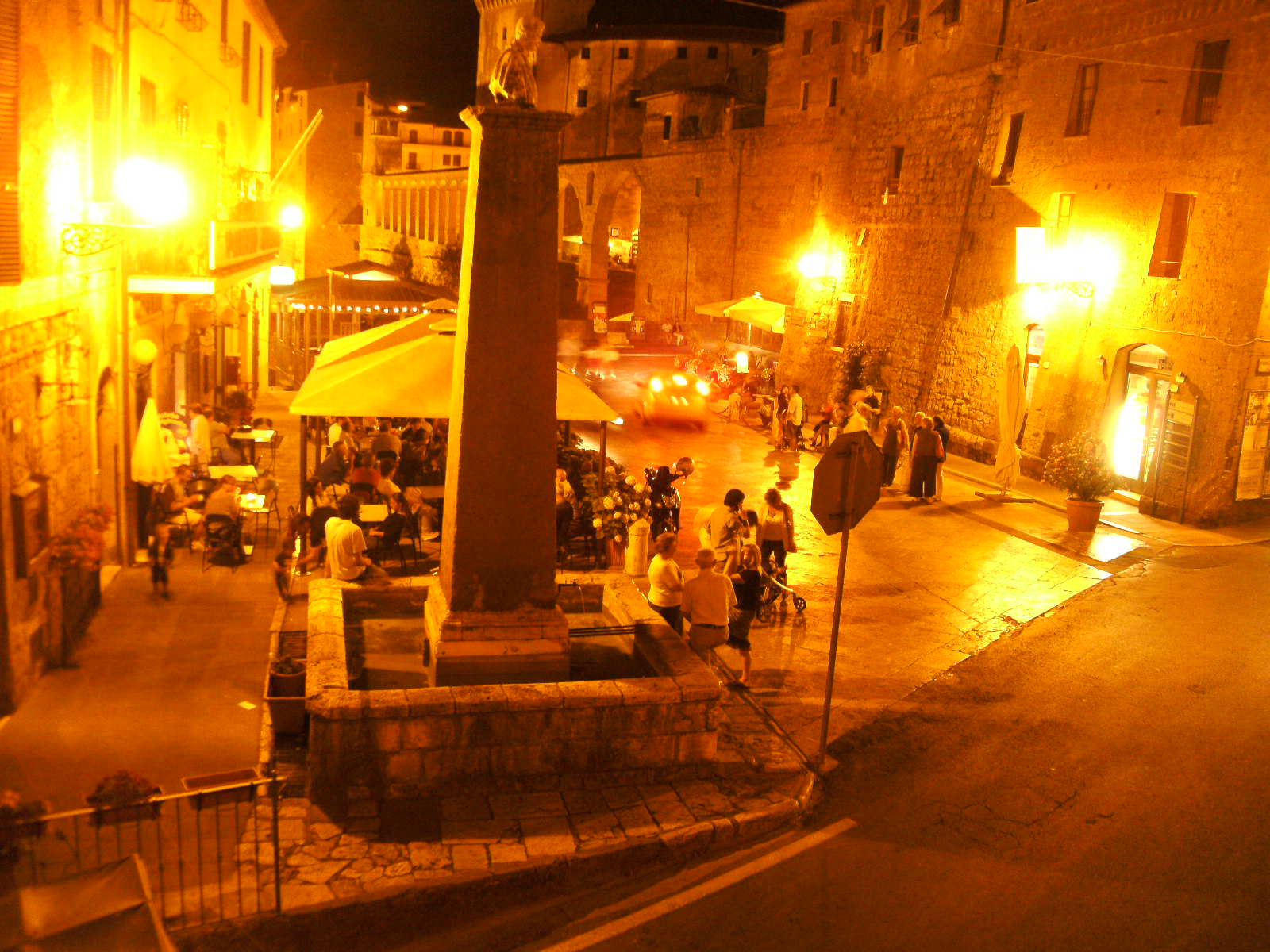
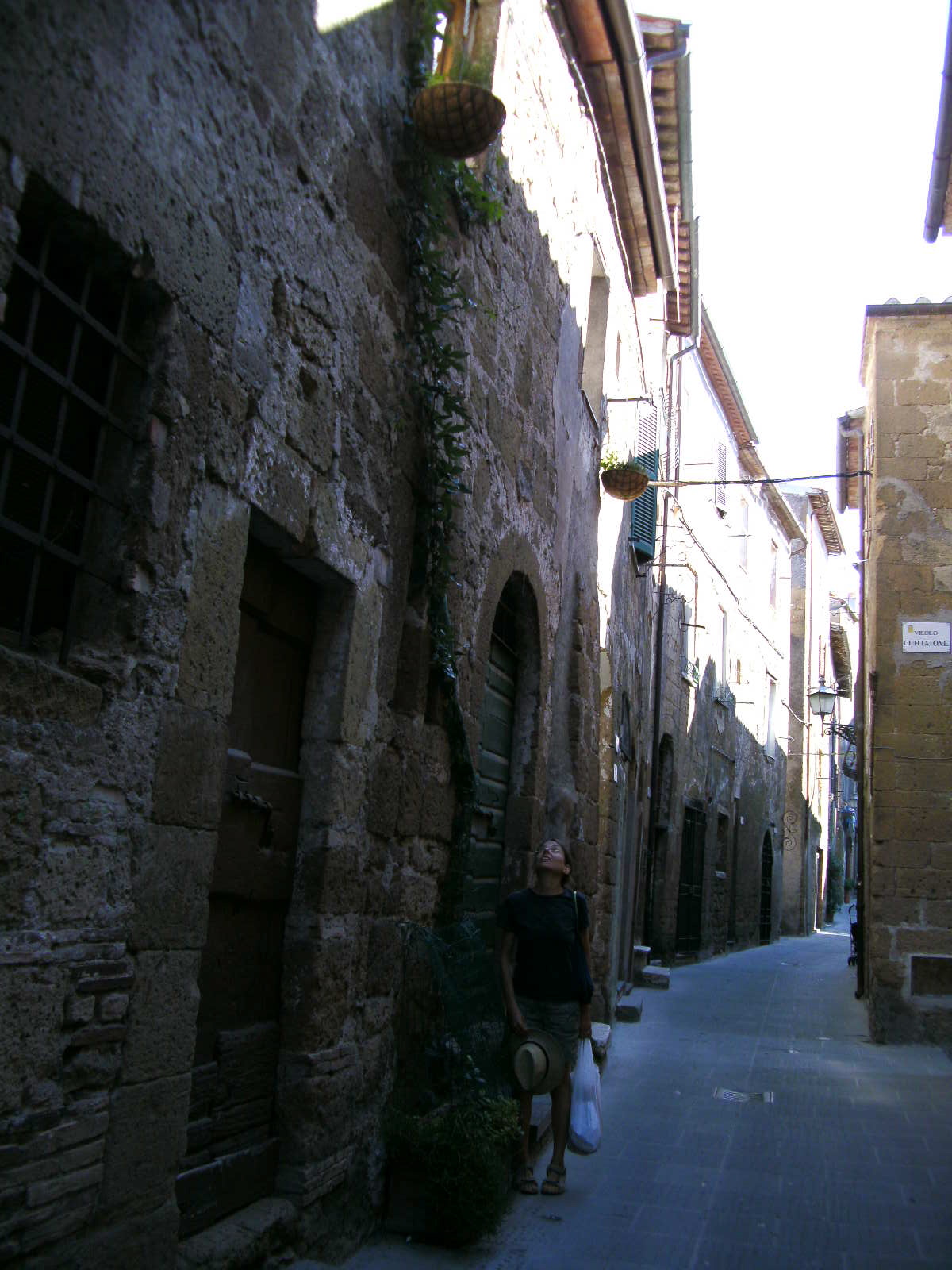
It’s now ten years that we have been in Pitigliano, renovating, holidaying and living. We chose Pitigliano, in the hills of La Maremma, southern Tuscany, for several reasons – the town itself; the hot springs of Saturnia; the wonderful beaches south of Argentario, and the countryside all around. Here are a few photos.

We took up the floors and found old tiles which was a wonderful find, but which now need work again because the ceiling of the magazzino (store room) below is deteriorating affecting the floor above. In truth this work was always going to be done, it was just a matter of when – when arrived in 2012.



I made my own stoneware tiles for the kitchen, following the idea of uncovered – ‘found old marble’.


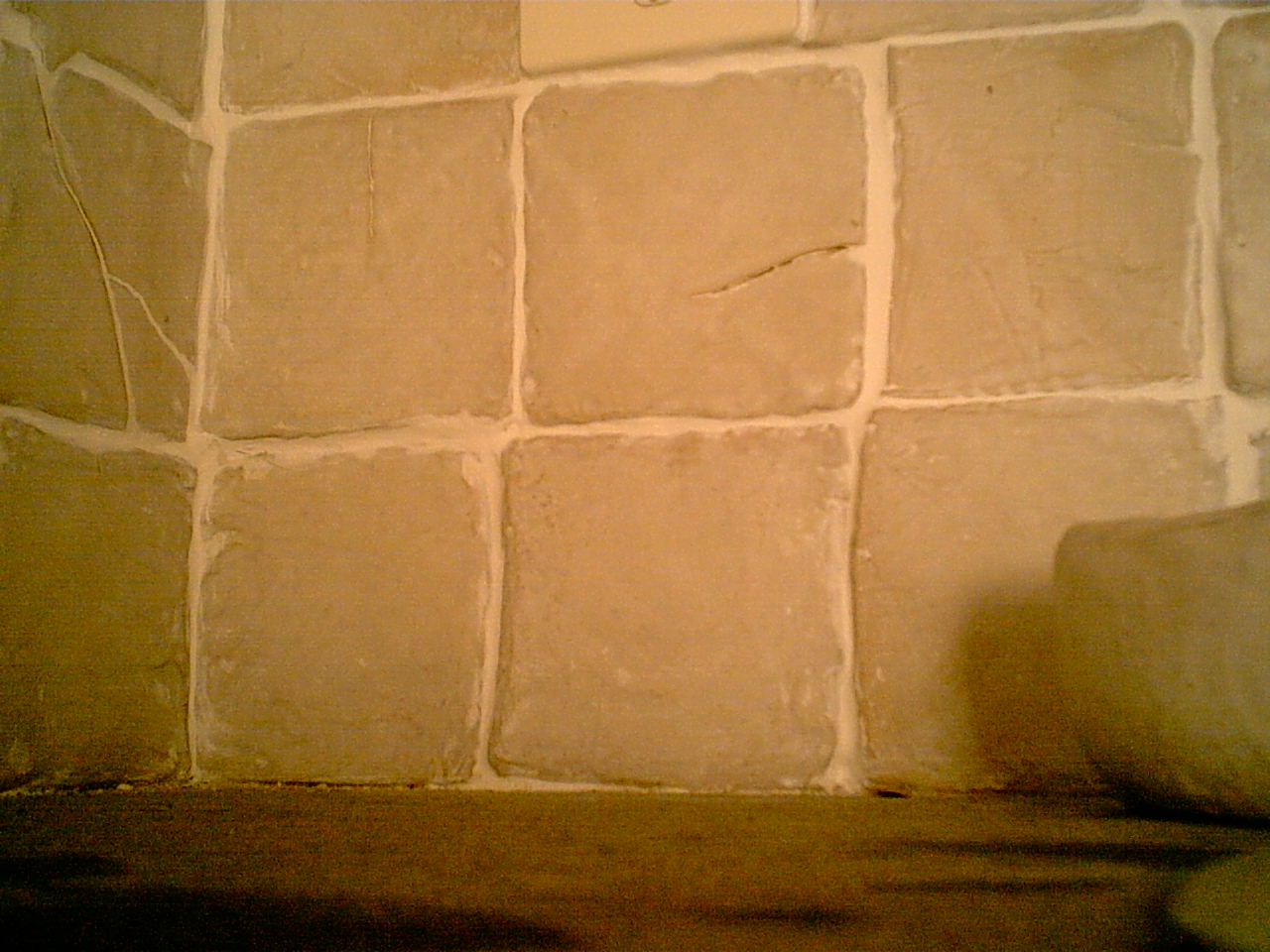

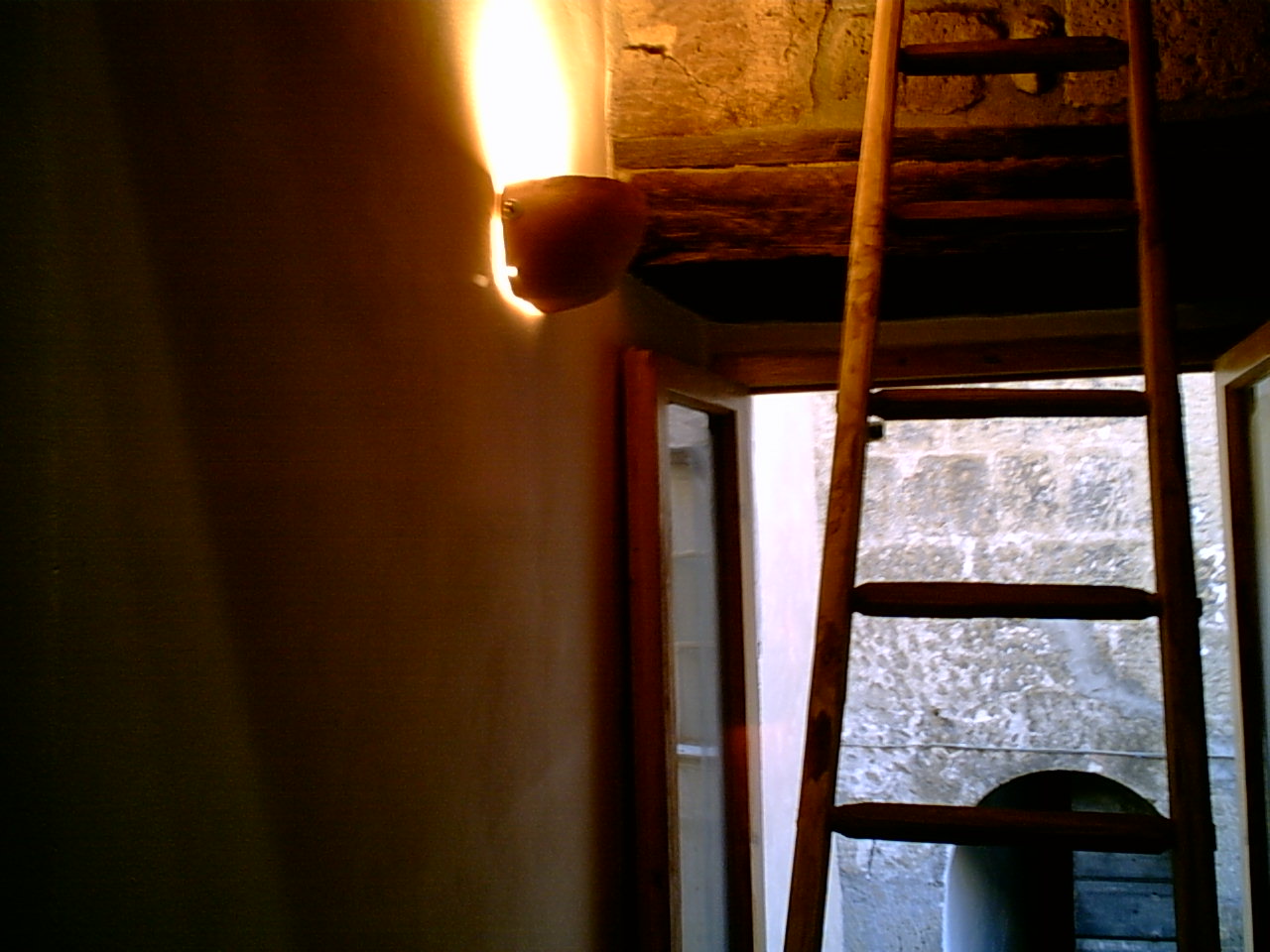
We found the original painted wall and built it around designs incorporating terracotta wall lamps I made. Not everyone would do this or even like it for his or herself, but for us the architectural point of an old house like this, going back in parts to the 17th century – as it it is for local builders – is that you create and reconfigure old aspects and ‘finds’ into the overall look.


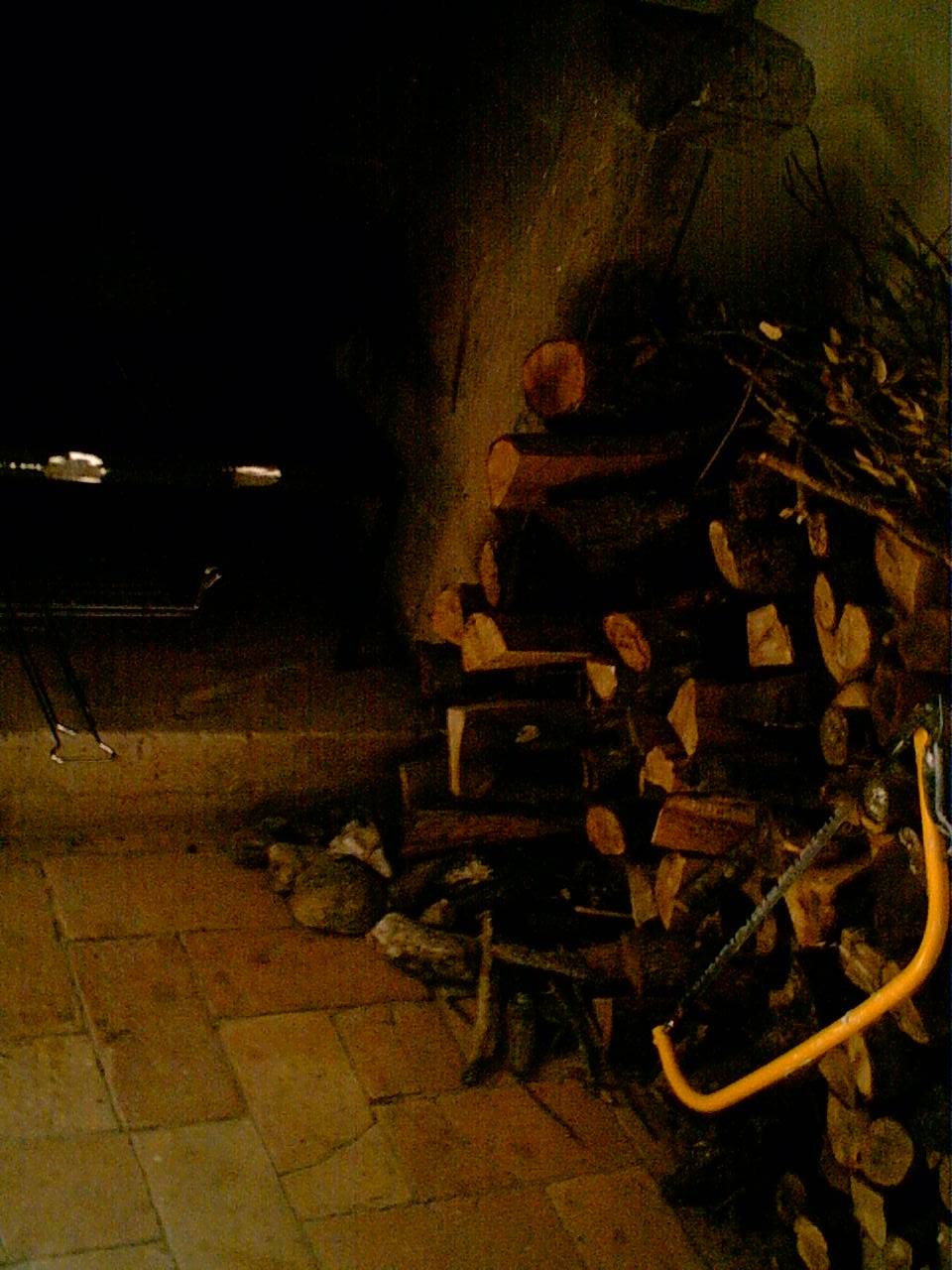
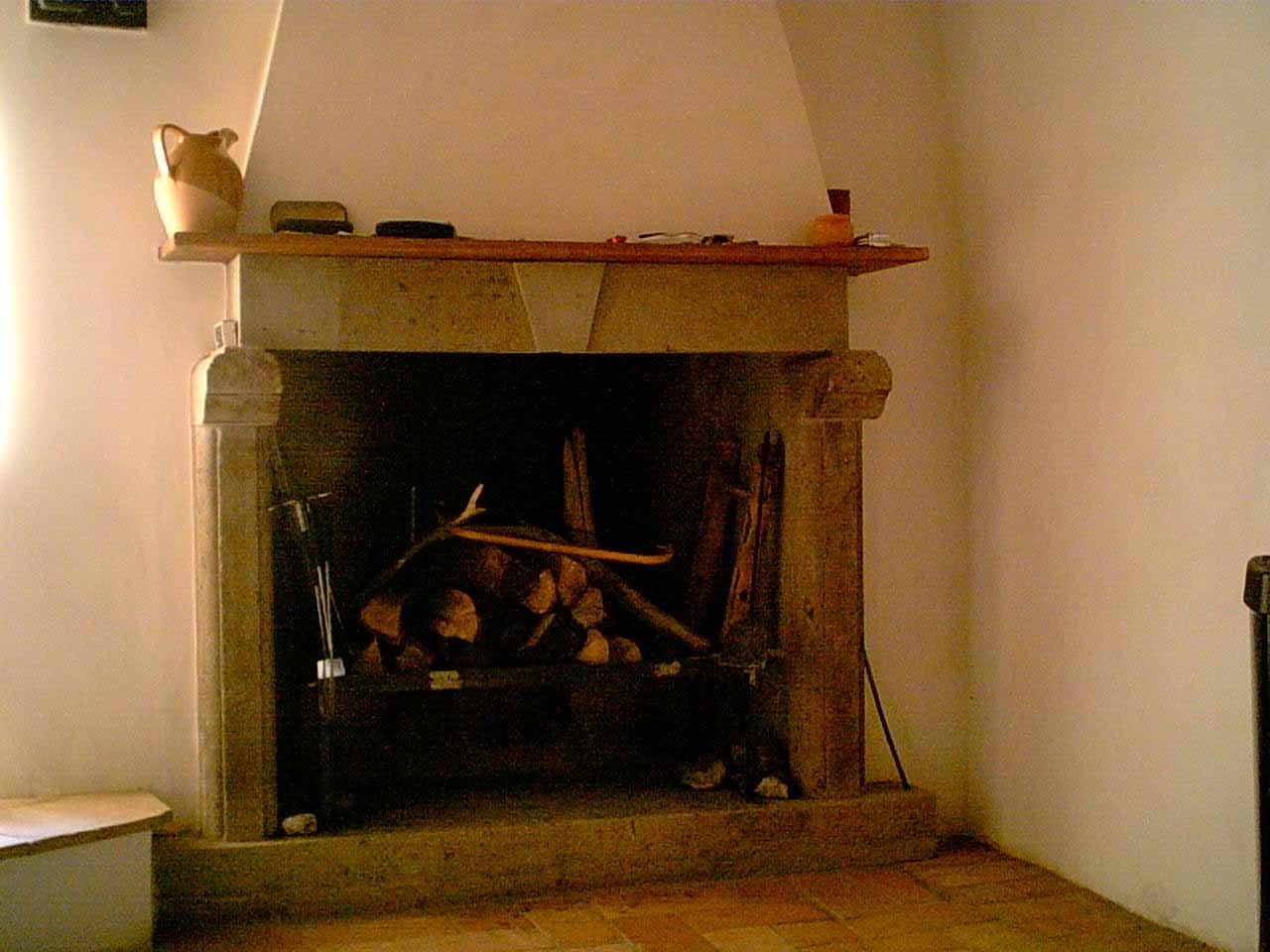
The fireplace was completely excavated, set back and made much larger, and we designed a heavy cast iron grill and had it made at a local foundry, so any fire on it would suck up the air and roar up the chimney.
A wood heater (la stufa), for keeping the house warm when a roaring wood fire would create too much heat.



The roof was redone.


Ceilings and a skylight done.


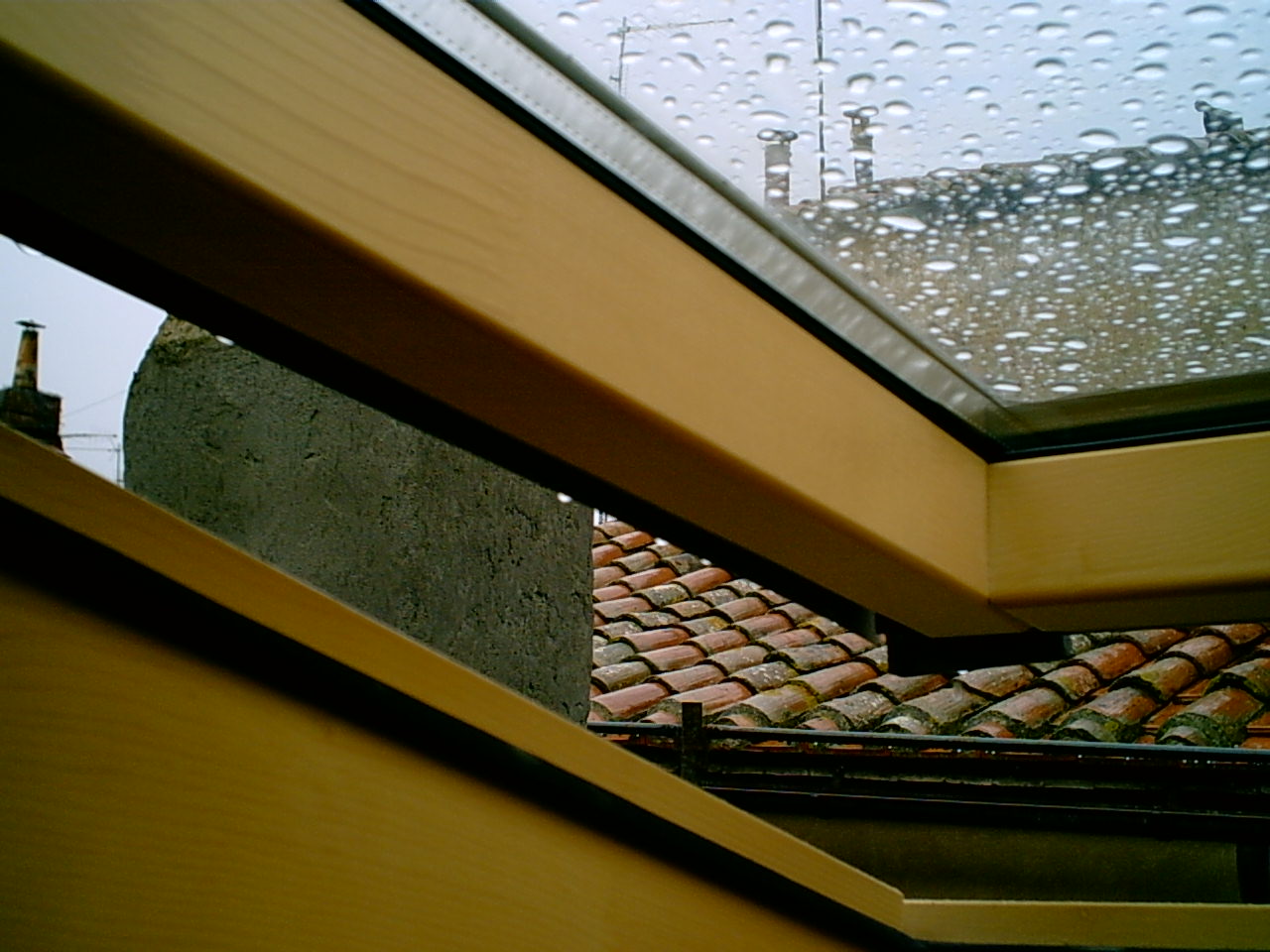
Shutters (le persiane) put up.
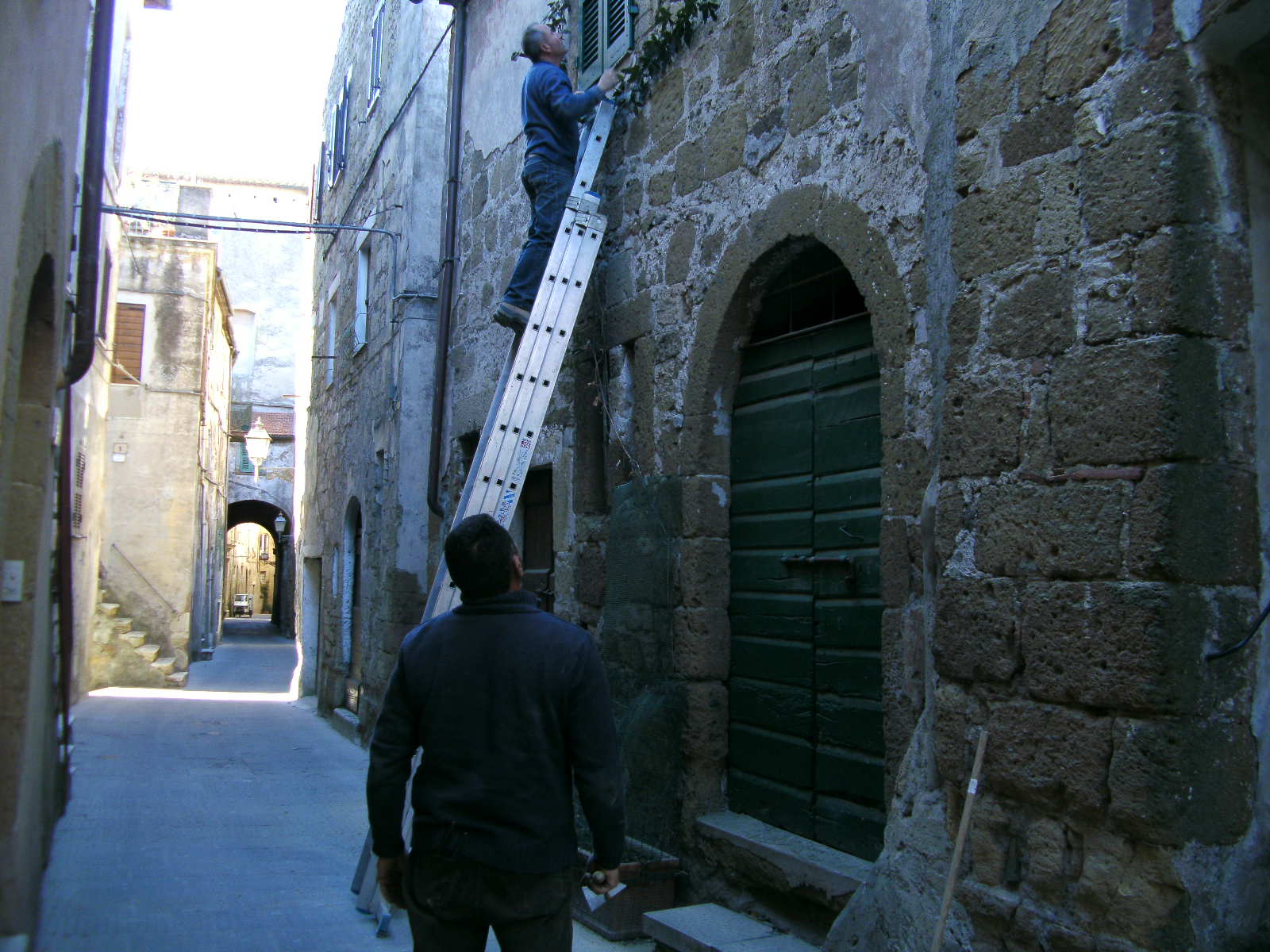

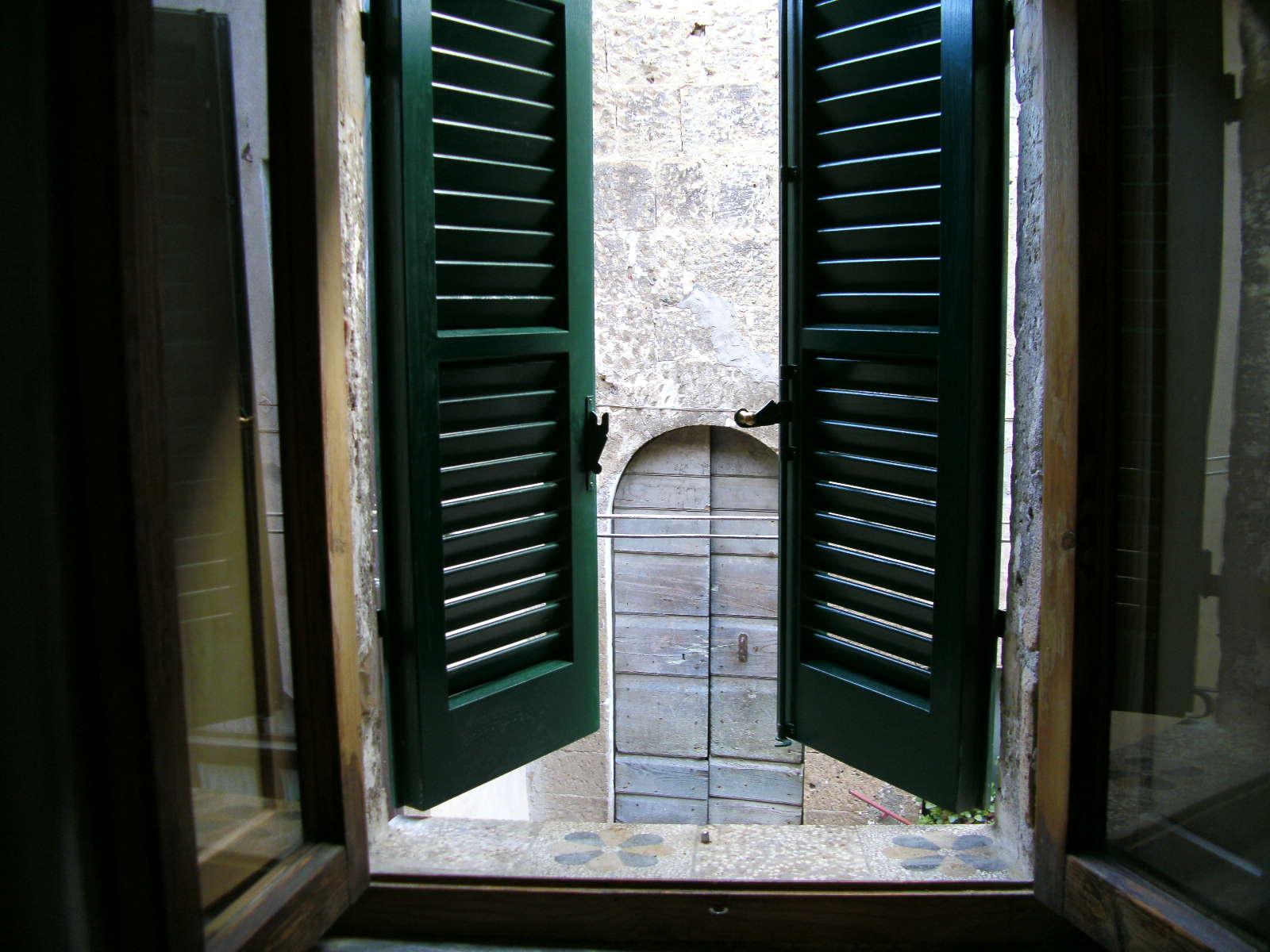
Slowly, modestly we are getting the house in shape.




Norman Lloyd’s talk in the Salle Buñuel was a lesson in theatre, film technique, Shakespeare, Renoir, Brecht, Chaplin, Welles, Hitchcock and Kazan, and how to keep your mind a steel trap well into your nineties. I don’t know if he eats nothing but blueberries but he must be doing something right.
In an age when aging (see Haneke’s Amour) is often told in tales of sad decline, this man stands out as an object lesson of hope for all. The session was one of the highlights of Cannes in 2012. Holding his audience spellbound, Lloyd, a 97 year-old veteran of acting, directing and production, took listeners through the best part of the pantheon of cinema (the first 60 years of it). What and who he didn’t know simply wasn’t worth pursuing.

Lloyd, stage and film actor
It wasn’t just that he knew so many of those who were crucial to the development of 20th century cinema, it was he knew what they knew and why they knew it – and above all he could tell us how and why he knew what they knew. He understood their brilliance with exacting modesty, placing himself in the role of pupil to all of them. Yet for all intents and purposes he was their equal in collaboration, a creative confidant in so many ways; he travelled through film history with them not because of them. Lloyd’s contribution to film is real, tangible and deep. When he recounted how Hitchcock – a decidedly unpolitical man – with three words to NBC, “I want him” dissolved the McCarthy blacklist era, the entire audience in the Salle was stilled. Lloyd’s part in McCarthy’s ruination was just one anecdote in many. Politically involved and motivated throughout his career, Lloyd was a close friend to Jean Renoir, Chaplin, Welles and Hitchcock. Lloyd was at the heart of theatre and cinema for nearly fifty years. One of the best moments of the night was his recollection of the lines of Bertolt Brecht: “Since the people are displeased by the government, the people must be replaced.” The sharpness of wit, his breadth of cinematic knowledge was stunning.
..handheld shaky cam, found footage, ultra-violence, meta-storylines, etc., all becoming part of the broad pop cultural landscape and assimilated into the commercial marketplace. This translates across all cultural lines – music, art, technology, etc. as the outsiders and untouchables of yesteryear are today’s TV spokesmen and tastemakers..
…experimental film seems to represent more fully the true potential and magic of cinema
…for brief moments in history, think the ‘beats’, the real ground-shakers, the true risk-takers, manage to do something that is life and culture affecting, their minds drafting the future…
I grew up watching Superman, The Cisco Kid, O.S.S., hearing war stories, chasing down moth-eaten army uniforms back when milk arrived in a horse and cart marvelling at the colour style of actual coca leaf sugarpop in Coke bottles blinking at motor cycles Dick Van Dyke falling over a couch cowboy films shot in daylight B/W then coloured nights of my father’s home-grown vegetables, born with words in my mouth – ‘gimme-that’ , ‘how-dare-you’, ‘what-the-fuck’ –

– ideas as fixed and eternal as the motives for every war, growing into Kidnapped bicycles desert boots Seventy Seven Sunset Strip Disney Land Rear Window Psycho Lawrence of Arabia, the annual anxiety of packing the car at holiday time, each and every moment stilled in memory of the forever mysterious parodies of life or art even if parodies weren’t even an option back then. I knew the Beatles before the Monkees, Bogart before Belmondo, but I can’t say I recall the idea behind the Summer of ’42 before it was a film conjured into a Mad magazine parody or whether it co-existed in the smash crash and kill dinky toy mind of George W. Bush. I believe I’m not alone, even growing more bewildered year on year by the incoherence of images and texts surrounding me from birth arresting my natural river environment in the far southern climes the commercial and cultural ink-blotting over my childhood my natural world a parody of some story my mother told me, those seconds on a baked sidewalk hearing JFK was dead, pink socks on the rock ‘n rollers, moments things events sounds sent to make life even more dangerous curious frightening, a direct result of the industrial military complex, Elvis Presley Chuck Berry even, the jack shit political influences beaten into the worrying shame of death in the world, prejudice, organically connected and woven into a general valueness held dear by so many years on from that day when morality was gunned down in broad daylight.
See the documentary Inside Job – a forensically researched, superbly delivered film about the 2008/2009 financial collapse – to see what the Euro leaders really have to deal with, the rating agencies delivering them an ultimatum.
Why haven’t we had a detailed analysis as we see in Inside Job presented to us by big media?
Some empirical facts to ponder: “The financial services industry’s share of profits increased from 10% in the 1980s to 40% in 2007, and the value of its shares (in the overall) went from 6% to 23%, while the industry only accounts for 5% of private sector employment.” Household debt in the U.S. grew from 3% of disposable income in 1998 to 130% in 2008. Prime mortgage delinquency as a percentage of loans increased from 2.5% in 1998 to 118% in 2008 – Manuel Castells.
The objective of the culture industries – in a critique developed in the 1930s, written and published in the 1940s by Frankfurt School members Theodor Adorno and Max Horkheimer under the title The Culture Industry – was to keep ordinary folk as docile and manageable as possible… ‘happy’, uncritical, coralled consumers of a ‘capital’ controlled culture.
The idea was: the tranquilized poor, the culturally deceived, the ‘creatively dociled’ buy, watch, listen to and read what they are told to watch, listen to, read. The discourse on culture, being ideologically-fed by capital on steroids, makes phase 2 so easy, the accounts driven bottom-line. This pay-up and now driven discourse leads its proponents still to say – See! It is what ‘they’ want (the great unwashed unconsidered) otherwise they wouldn’t buy or want it.
Reminds me of Jack Crabb’s (Dustin Hoffman’s) encounter with General Custer just before the ‘great general’ got whipped at Little Big Horn. “General, you go down there,” Crabb says, when Custer asks him what to do. Thinking Crabb, a pathetic muleskinner, spineless, with not-even guts enough to shoot Custer in the back, a git who could only lie to him, Custer reasons (aloud, of course) that if Crabb wants Him to go down to the Little Big Horn it’s only because Crabb really doesn’t want Custer to go down there – Crabb could only lie to achieve a goal. So, Custer does go down there – much to relief of the world, history and the native American.
Little Big Man (1970) was the sort of film American filmmakers made after the film studios lost control in the late 1960s. In that rare moment, spanning a few years only, cultural complexity was synonymous with creativity – the audience and creators were so close they could have been one and the same.
Back to the genealogically disturbed present. No cultural outbreaks, no individual voices, no “surprises” for those in charge right now, no matter how many camp in Wall Street or outside St. Paul’s. Society, dare I say it, Capital, is under control. No matter what the postmodernists, Foucault, Castells et al want, did and do tell us, culture is still controlled, top down – never more than in the 21st century (thanks to Lessig {Free Culture, 2004, p12} for reminding us).
So a nod to the voices that seem so still and silent today – to Theodor, Max, Walter and Herbert: We need to hear from you again.
“The web of domination has become the web of Reason itself, and this society is fatally entangled in it.” Herbert Marcuse

Initially this post was about Facebook dismantling its groups. The issue then: Many people spent an enormous amount of time developing them and asking people to join. Because of widespread concern and protest by Facebook members FB resolved this and groups could keep their members. At the time I wrote: “Facebook is fast acting like a corporation acting in concert with other corporate or shady political interests – not a borrowed idea from a dorm at Harvard existing only because a lot of people use it. If Facebook is about anything it is about each and every one of its members – Facebook is nothing without the people who bother to use its pages.”
Now Facebook wants, it seems, to use stored data of its members and make it public. This has been true for sometime of course. FB data-mines its users. But is the ante being upped with new moves? Does this breach the privacy terms implied in the original terms of use?
Facebookers should be informed of what this new FB policy is and what it means and then they should be asked whether they agree to the use of data that was once ‘private’ between FB members.
Facebook should reflect the members that make it up. Facebookers are not a resource to be exploited for profit in this way by Facebook’s founders (this was not the original ‘pitch’ or purpose of Facebook). If use of private data does happen, at the very least it should be only with prior full agreement of Facebook users.
If Facebook wants to charge for the service then they can and people can opt out of the FB site if they so wish – taking their data with them, not leaving it behind for commercial use.
If I buy a house I get the house and grounds, not the furniture and fittings inside and outside, unless it is in the contract of sale. Facebook do not own the data, (though I am sure their lawyers would say they do). They have already profited hugely from having such a huge number of users, but they don’t own Facebookers or their private and personal data.
 The Seat of Human Justice


 Swimanög