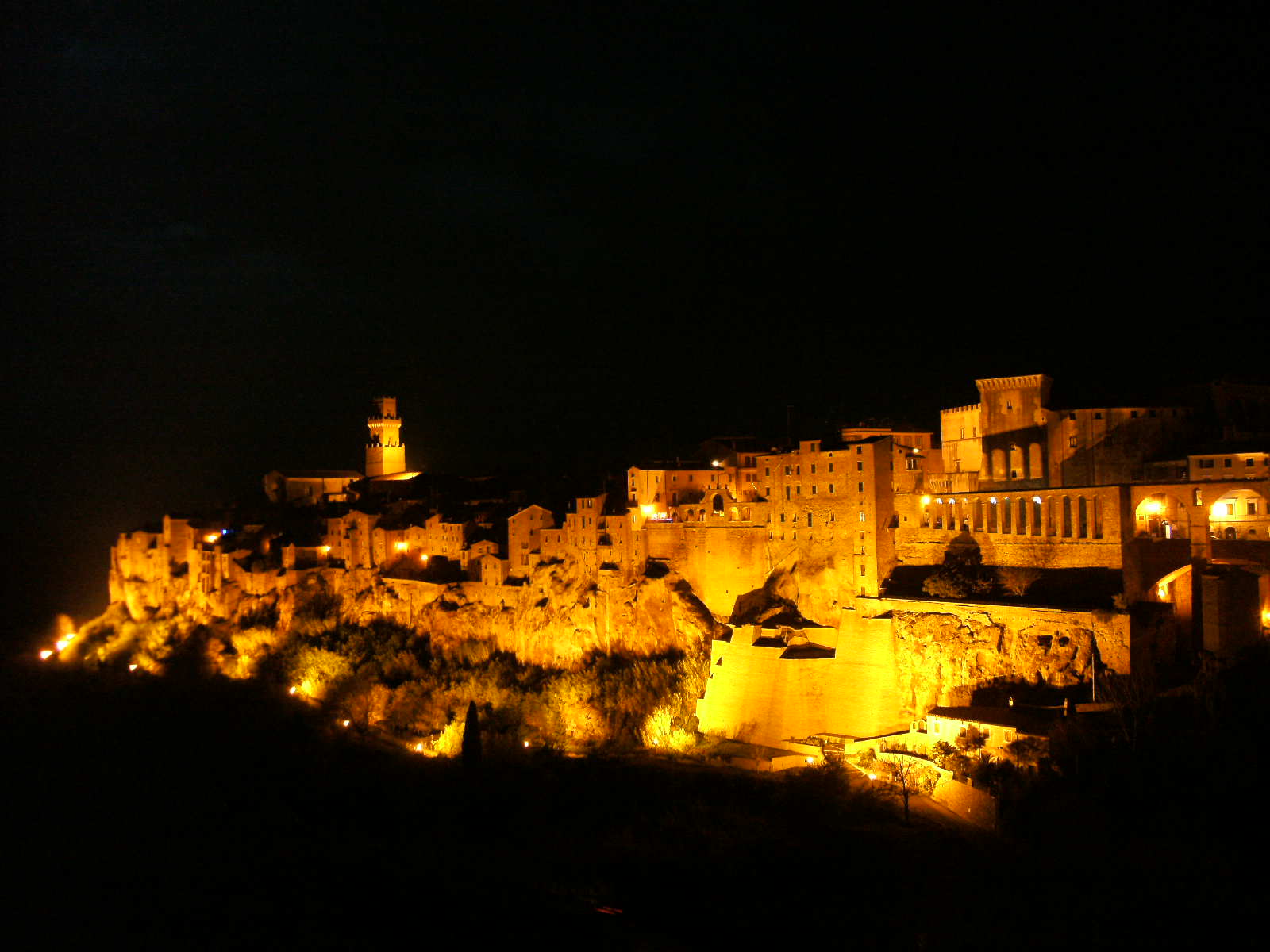
Cannes 2012: wet shoes and blurred vision

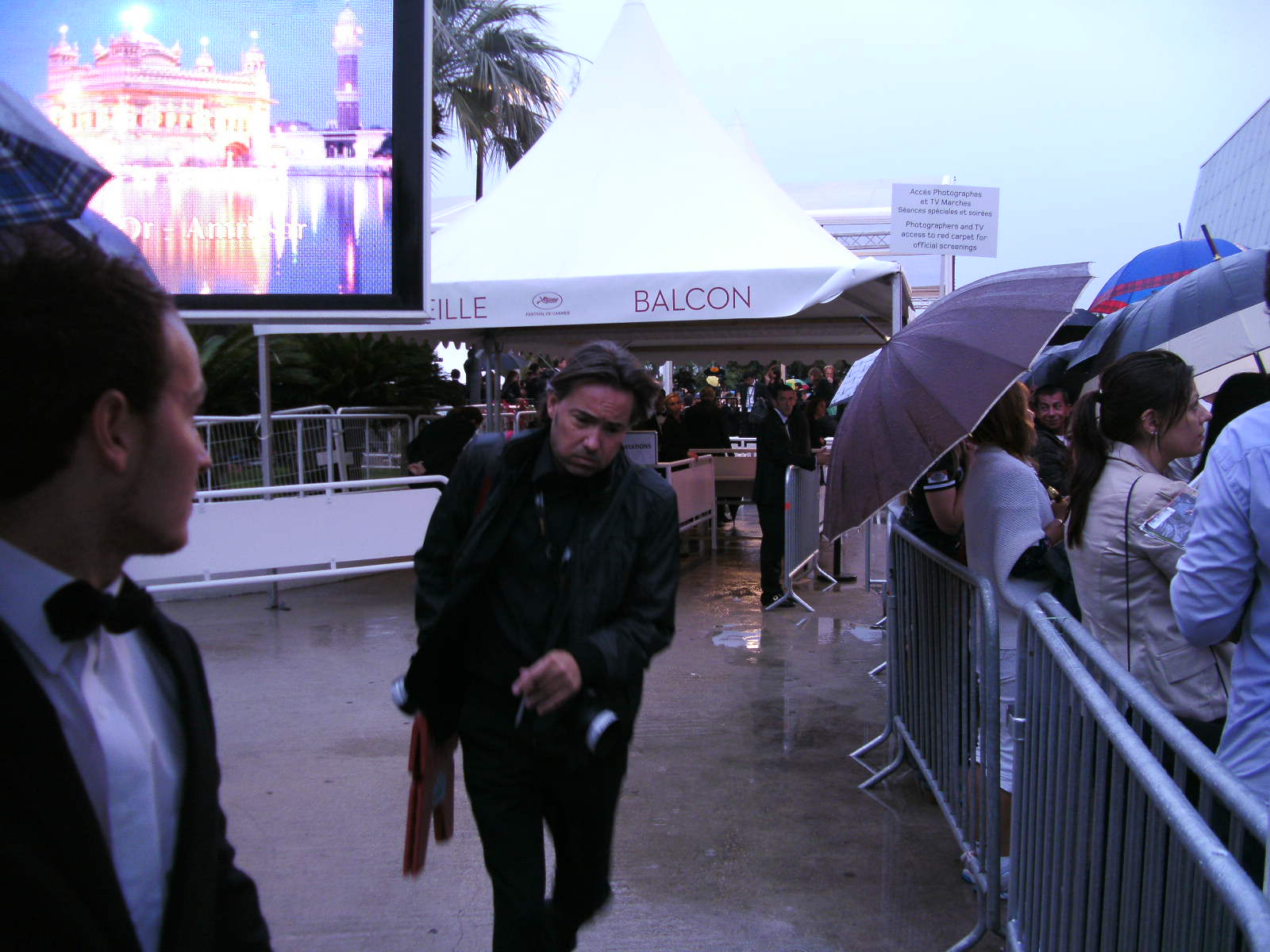
2012 brought rain, and not so many memorable filmic moments, but there were a few. Cannes at festival time is always unique, with a special experience lurking somewhere even if a downbeat mood hung over the Mediterranean resort as it did for several days. The Cannes festival  finds a way to transcend gloom whatever weather blows in.


Still, for all the ability of Cannes to transcend itself, I was left with the impression that this year will not figure among the list of the best festivals. That said, a gentleness hung in the air I liked, replacing the more manic moments I have seen in years gone by.

I was late in arriving and saw Roman Polanski present a reworked Tess on the evening of May 21. It is hard to remember what the original release in 1979 was like, but it doesn’t figure in my memory anywhere near as good as this version. Now the story seemed to make complete sense. Now we saw Hardy’s vision up on the screen. The two great adaptations of Hardy novels I have seen, Far From the Madding Crowd and Tess (of the D’Urbervilles) are epic cinematic experiences for any age and epoch.

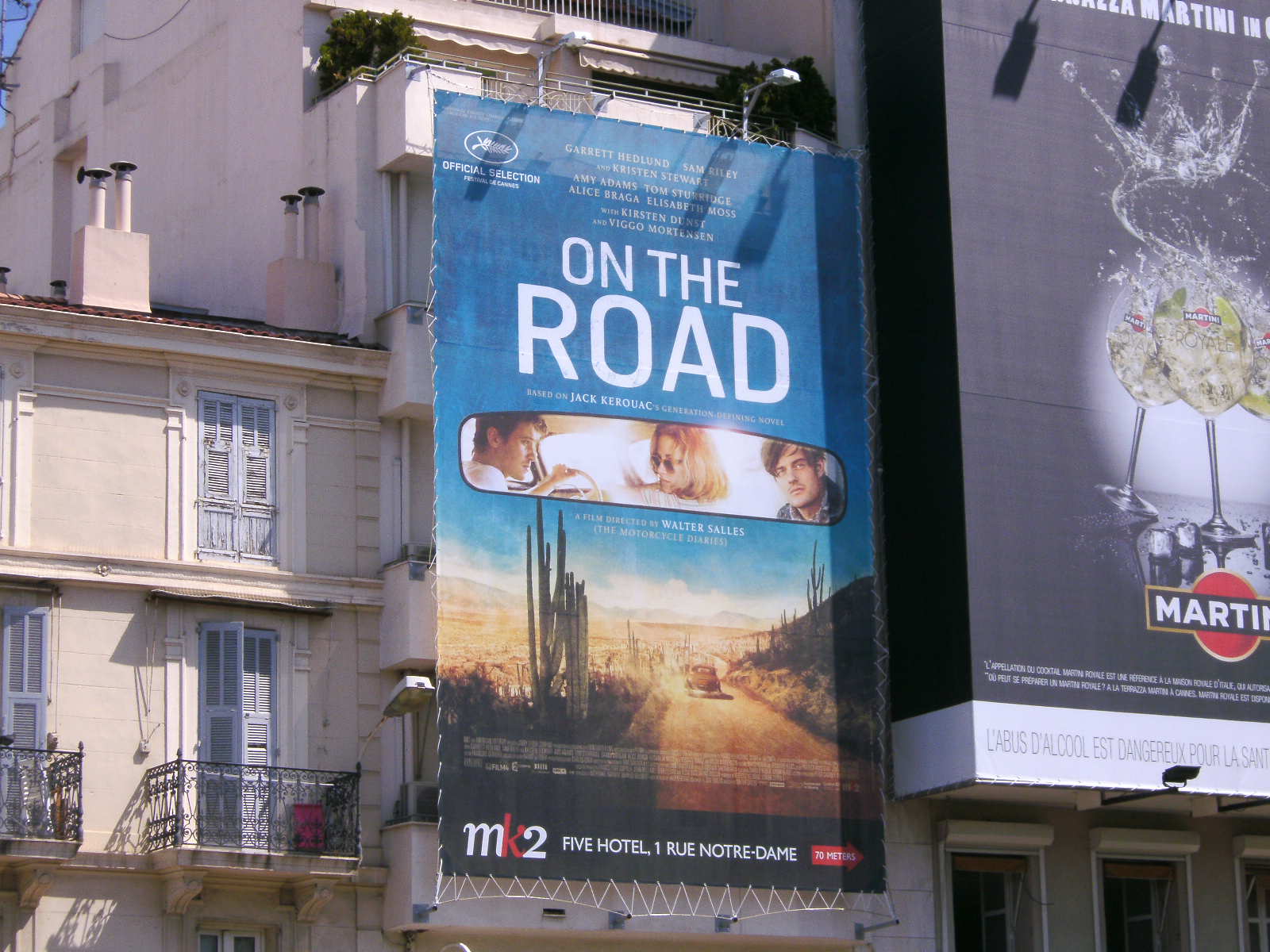
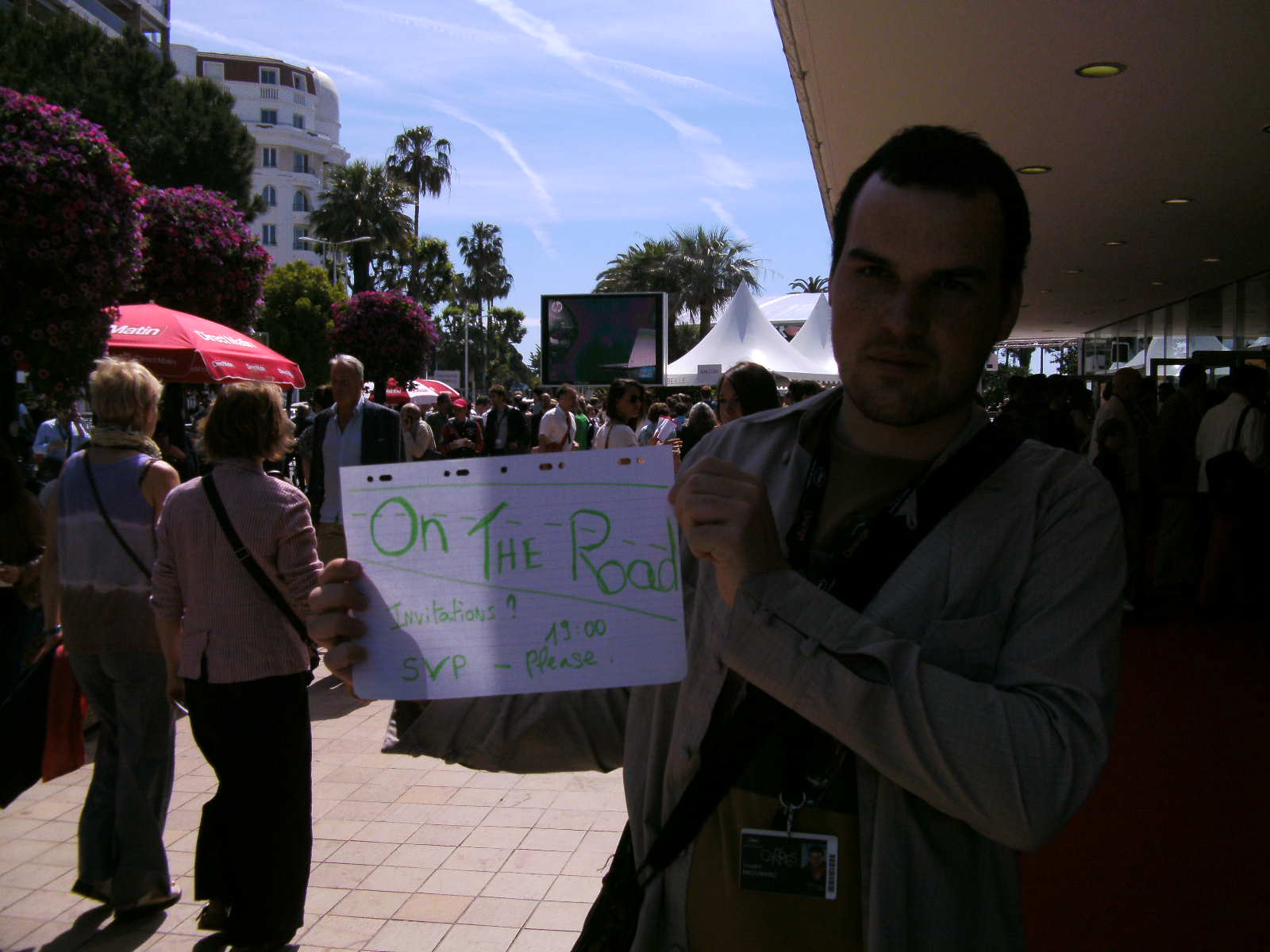
Late in applying for accreditation as I was, film badges presented difficulties. Getting into the venues I wanted to be in was not straight-forward. One day I set out to bus from Golfe Juan to get to a screening of On the Road in Cannes. I gave myself ample time but three, then four number 200 buses from Nice went by, all full. Running to the train station I found the train for Cannes La Bocca was cancelled; train workers were on strike. Then I had to wait nearly thirty minutes for a train to Cannes itself. Show time for the film was five o’clock and that time was looming. Finally I was able to take the train as far as Cannes and then tried walking the rest of the way in the rain but had to give up. The film began while I was still two kilometres away from the cinema. There were probably no seats left in any case.

The next re-screening of Jack Kerouac’s era-defining novel was on the last day at 9 am, but as I was at a screening of the Korean, The Taste of Money, up until two am, I missed that screening as well.

I had re-read Kerouac’s novel carefully and really enjoyed it. I was looking forward to the film adaptation of it. However lukewarm the reviews, I wanted to see On the Road more than any other film. I wasn’t the only one.

I did make it to Holy Motors at 11.30 am that next morning, and left thinking, except for a couple of wild scenes, what was all the fuss about? Overall Carax’s style is manufactured shock-treatment, a director setting out to do the impossible in 2012, shock us; you can’t shock anyone in a cinema anymore, only bore or pleasantly surprise audiences. The lead actor was bravura, but as Irreversible did some years back, the film’s attempts to violate left me cold, even colder when it calmed down into quiet film parodies. I left the theatre thinking, we have been down this road before (with David Lynch, perhaps). I didn’t bother with Cosmopolis. Reading DeLillo’s book, seeing the film trailers, convinced me there were no surprises to be had in it. I wasn’t alone on that either. There were better things to do.

I saw the American Mud. Sustained irony might have helped it along, though it was easy on the eye and on the mind, that’s if you’re into 14 year old cute boys, Matthew McConaughey without his shirt, or Reese Witherspoon, if any or all of them float your boat.

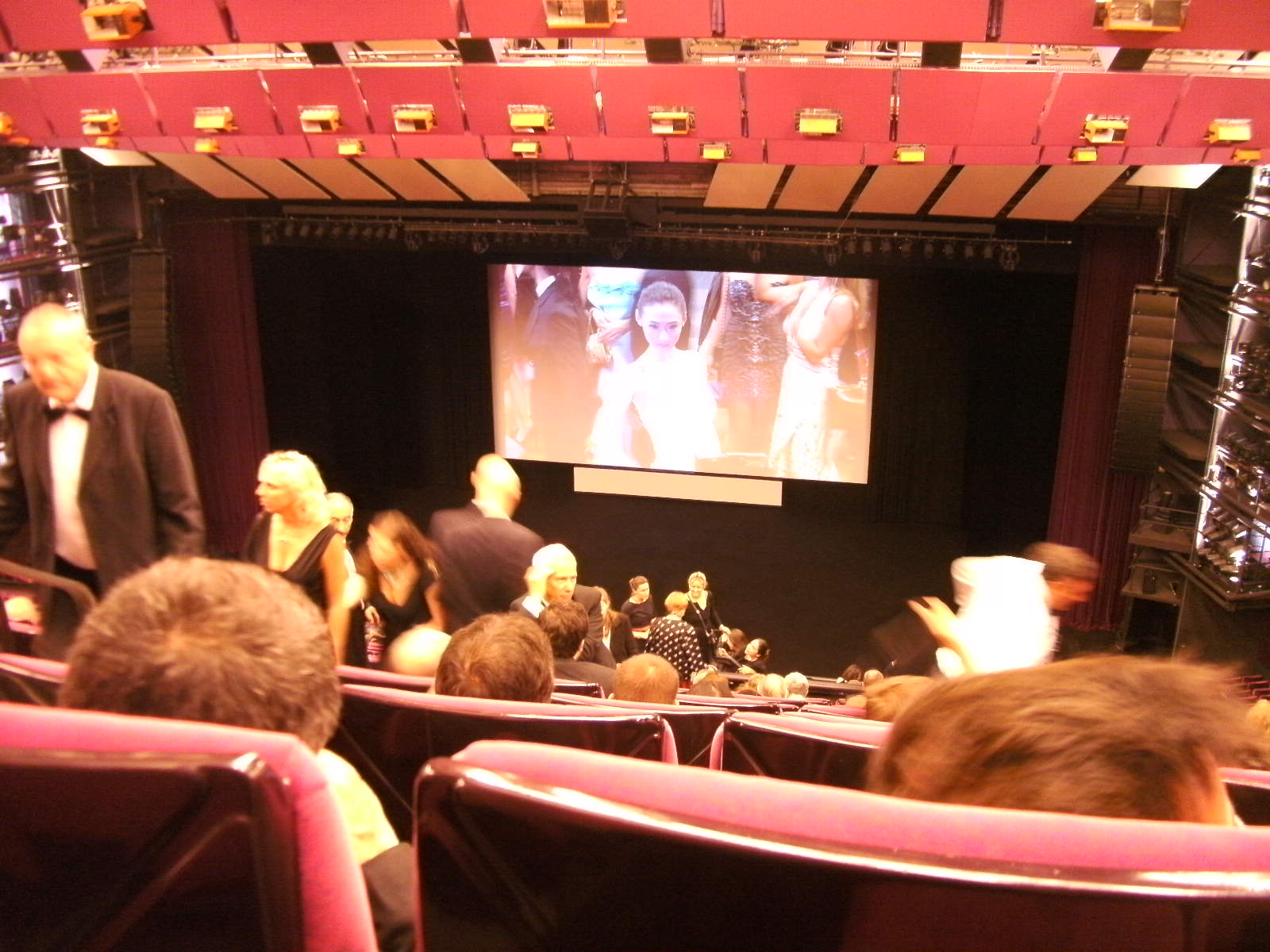
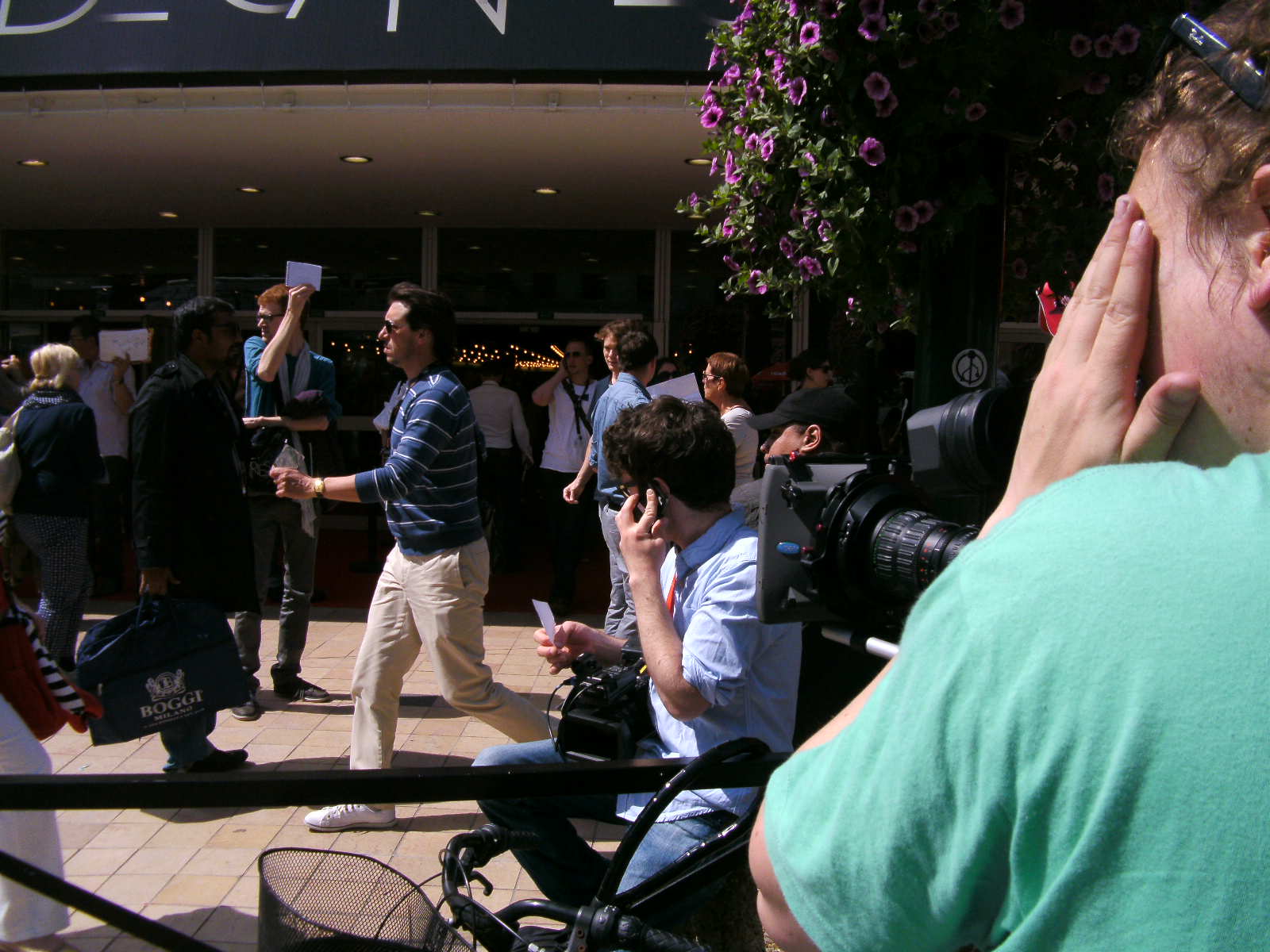
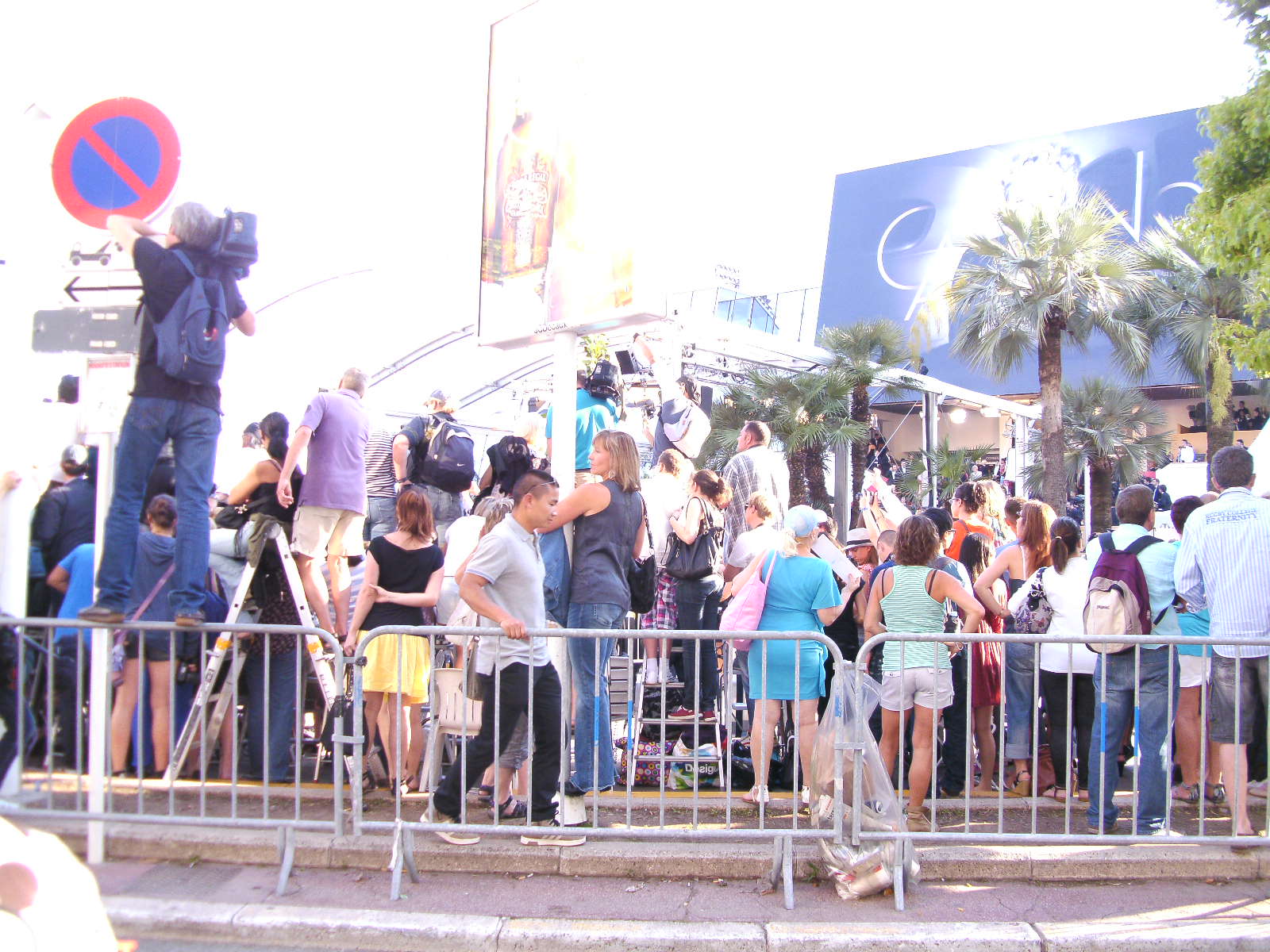
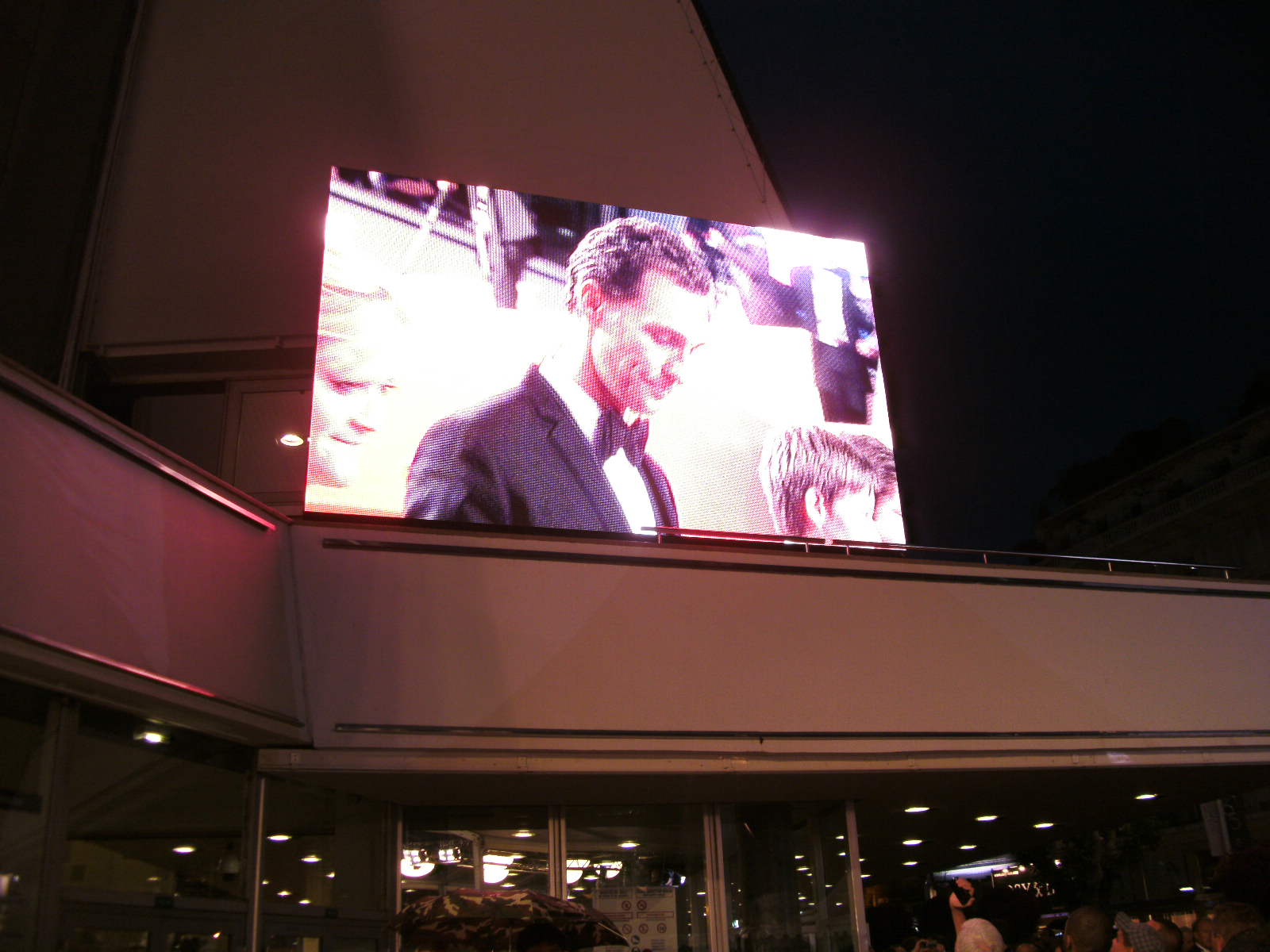
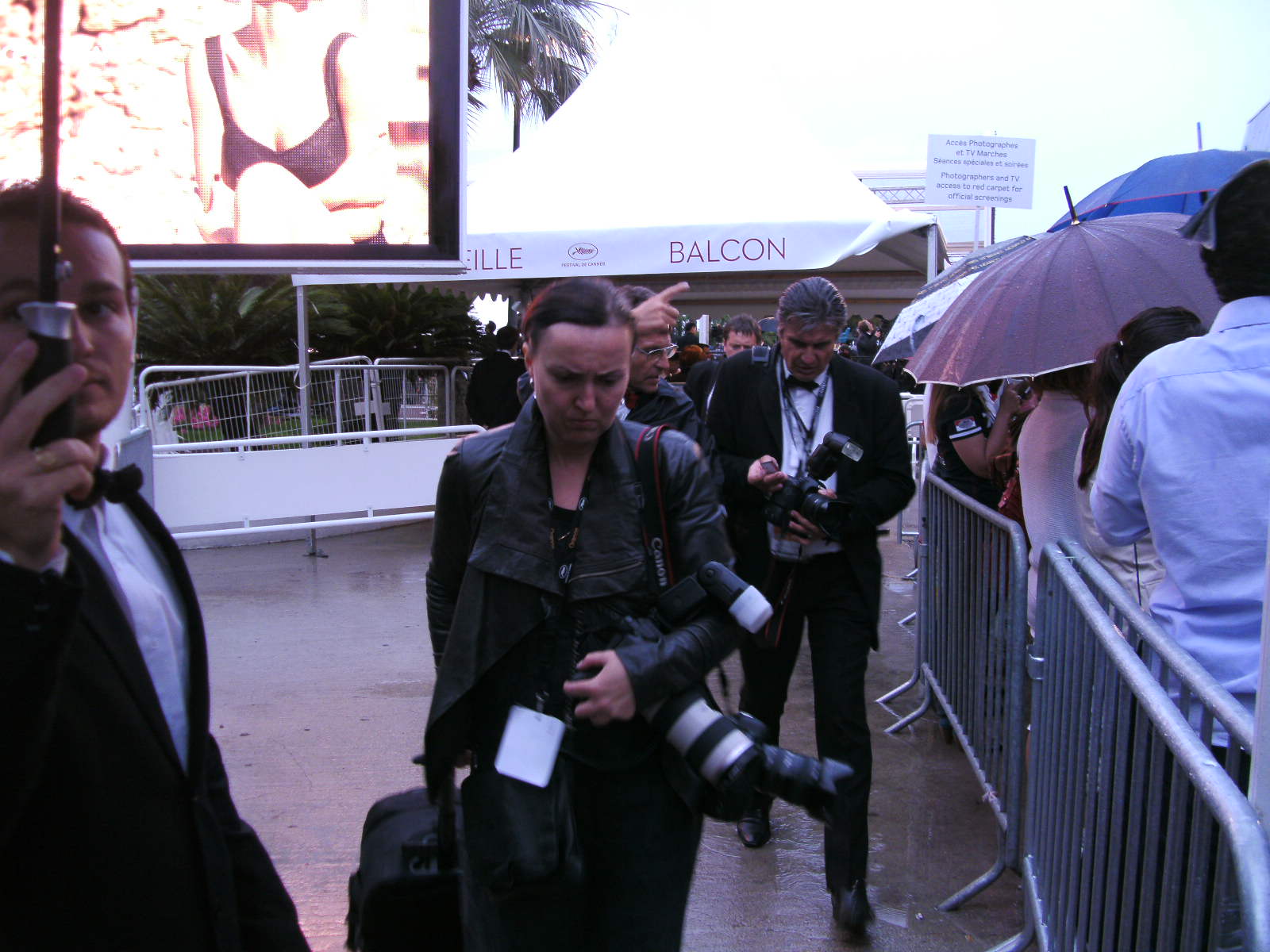
I didn’t have tickets for the closing ceremony in the main auditorium, joining journalists in the cinema adjacent. I saw the event in close circuit cinema in row two. Before that I took pix of photographers running from the red carpet to the action inside. They didn’t look pleased to be pixed. Weird, photographers hating having done to them what they do ad infinitum to others.

After the awards were handed out, I stayed second row to see the late Claude Miller’s Thérèse Desqueyroux (something I didn’t regret doing). I felt more at home in that pre-modern space of 1890-1930 set cinema. Miller’s film set in 1928 rural France is beautifully realised, by a master of period cinema, just as is Polanski’s Tess set thirty-seven years earlier across the channel. Both films deal with misunderstood women who suffer injustices. Both are big, slow moving, carefully manicured epics that did nothing to unmake my festival.

Experiment, what experiment?

..handheld shaky cam, found footage, ultra-violence, meta-storylines, etc., all becoming part of the broad pop cultural landscape and assimilated into the commercial marketplace. This translates across all cultural lines – music, art, technology, etc. as the outsiders and untouchables of yesteryear are today’s TV spokesmen and tastemakers..

…experimental film seems to represent more fully the true potential and magic of cinema

…for brief moments in history, think the ‘beats’, the real ground-shakers, the true risk-takers, manage to do something that is life and culture affecting, their minds drafting the future…

The Price So Many Are Paying

With the global financial crisis deepening and spreading into communities (aided and abetted by years of political corruption) in recent months the number of workers in Italy who have taken their own lives has risen fast.

Below are some of their stories

See more of these printed in L’Espresso (in Italian) – 13th April 2012

13 April 2012. Sesto, Fiorentina, Firenze. Giuliano V., ex-manager, 42, died by throwing himself under a freight train. Four months before he had lost his position in the marble production sector in Garfagnana. Falling into a deep depression he had tried to create a new life and career without success.

12 April 2012. Treviso. Paolo Tonin, 53, agricultural businessman hanged himself in his business premises. According to his family, the suicide was as a direct result of the difficult economic climate his business had been plunged into.

9 April 2012. Valtiberina, Arezzo, 27, owner of a woodcutting business, killed himself in a forest by connecting a hose to the exhaust pipe of his car. Family and friends said he was overwhelmed by his debts. He had just received a tax bill for 50,000 euros.

5 April 2012. Savona. Vittorio Galasso, independent builder, 52,  hanged himself in the apartment he was renovating. According to friends, he could not go on facing little work and rising debts.  He left a wife and two children of 15 and 17 years.

3 April 2012. Roma. Mario Frasacco, businessman, 59. His aluminium products company failing, workers being laid off, Frasacco shot himself in his business premises. His body was found the morning after by his twenty year old son.

2 April 2012. Roma. Pasqualino Clotilde, artisan, 57, hanged himself in his framing shop. A note explained his reasons: “insurmountable economic problems.” The day before his wife had begun working in a cleaning company to help pay off family debts.

23 March 2012. Cepagatti, Pescara. E.F, businessman, 44 years, hanged himself because he was desperate over the economic situation of his window and door frame company.  His body was found by his company employees.

21 March 2012. Scorrano (Lecce). Antonio Maggio, craftsman, 29, hanged himself after losing his job on an excavation site. With the job he had been supporting his widowed mother. A few days before he lost his job, he received a payment notice for rubbish collection.

9 March 2012. Ginosa Marina (Taranto). Vincenzo Di Tinco, 60, shopkeeper, hanged himself after his bank refused him help. Proprietor of clothing company he was refused a 1,300 euro loan notwithstanding his 40 years in business.

9 March 2012. Noventa di Piave (Venezia). Carpenter, 60, took his own life because delay in receiving payments from clients. His body was found by a co-worker in their work premises.

26 February 2012. Firenze. Businessman, 64, found hanging in his premises, due to economic difficulties.

15 February 2012. Paternò (Catania). Owner, 57, of an  agricultural machinery company, hanged himself in his warehouse. His company had numerous debts.

3 January 2012. Milano. Giancarlo Chiodini, electrician, 64, shot himself in the head in his van parked in front of his work premises. Dedicated to his work, in recent times he had become obsessed by worry over promised contracts that did not materialise and delayed payments.

(translated by this writer)

One Writer’s Journey

I grew up watching Superman, The Cisco Kid, O.S.S., hearing war stories, chasing down moth-eaten army uniforms back when milk arrived in a horse and cart marvelling at the colour style of actual coca leaf sugarpop in Coke bottles blinking at motor cycles Dick Van Dyke falling over a couch cowboy films shot in daylight B/W then coloured nights of my father’s home-grown vegetables, born with words in my mouth – ‘gimme-that’ , ‘how-dare-you’,  ‘what-the-fuck’ –

– ideas as fixed and eternal as the motives for every war, growing into Kidnapped bicycles desert boots Seventy Seven Sunset Strip Disney Land Rear Window Psycho Lawrence of Arabia, the annual anxiety of packing the car at holiday time, each and every moment stilled in memory of the forever mysterious parodies of life or art even if parodies weren’t even an option back then. I knew the Beatles before the Monkees, Bogart before Belmondo, but I can’t say I recall the idea behind the Summer of ’42 before it was a film conjured into a Mad magazine parody or whether it co-existed in the smash crash and kill dinky toy mind of George W. Bush. I believe I’m not alone, even growing more bewildered year on year by the incoherence of images and texts surrounding me from birth arresting my natural river environment in the far southern climes the commercial and cultural ink-blotting over my childhood my natural world a parody of some story my mother told me, those seconds on a baked sidewalk hearing JFK was dead, pink socks on the rock ‘n rollers, moments things events sounds sent to make life even more dangerous curious frightening, a direct result of the industrial military complex, Elvis Presley Chuck Berry even, the jack shit political influences beaten into the worrying shame of death in the world, prejudice, organically connected and woven into a general valueness held dear by so many years on from that day when morality was gunned down in broad daylight.

Inside Job and The Euro

See the documentary Inside Job – a forensically researched, superbly delivered film about the 2008/2009 financial collapse – to see what the Euro leaders really have to deal with, the rating agencies delivering them an ultimatum.

Why haven’t we had a detailed analysis as we see in Inside Job presented to us by big media?

Some empirical facts to ponder: “The financial services industry’s share of profits increased from 10% in the 1980s to 40% in 2007, and the value of its shares (in the overall) went from 6% to 23%, while the industry only accounts for 5% of private sector employment.” Household debt in the U.S. grew from 3% of disposable income in 1998 to 130% in 2008. Prime mortgage delinquency as a percentage of loans increased from 2.5% in 1998 to 118% in 2008 – Manuel Castells.

Fictional Capital

If you haven’t seen the film Inside Job (by Charles Ferguson) – don’t know him, not connected to him, not selling, just saw it and say, get a DVD and watch the documentary. In the meantime have a look at Castells in London, standing right in the financial heart of (very near to) the City.

The Frankfurt School Revisited

The objective of  the culture industries – in a critique developed in the 1930s, written and published in the 1940s by Frankfurt School members Theodor Adorno and Max Horkheimer under the title The Culture Industry – was to keep ordinary folk as docile and manageable as possible… ‘happy’, uncritical, coralled consumers of a ‘capital’ controlled culture.

The idea was: the tranquilized poor, the culturally deceived, the ‘creatively dociled’ buy, watch, listen to and read what they are told to watch, listen to, read. The discourse on culture, being ideologically-fed by capital on steroids, makes phase 2 so easy, the accounts driven bottom-line. This pay-up and now driven discourse leads its proponents still to say –  See! It is what ‘they’ want (the great unwashed unconsidered)  otherwise they wouldn’t buy or want it.

Reminds me of Jack Crabb’s (Dustin Hoffman’s) encounter with General Custer just before the ‘great general’ got whipped at Little Big Horn. “General, you go down there,” Crabb says, when Custer asks him what to do. Thinking Crabb, a pathetic muleskinner, spineless, with not-even guts enough to shoot Custer in the back,  a git who could only lie to him, Custer reasons (aloud, of course) that if Crabb wants Him to go down to the Little Big Horn it’s only because Crabb really doesn’t want Custer to go down there  – Crabb could only lie to achieve a goal. So, Custer does go down there – much to relief of the world, history and the native American.

Little Big Man (1970) was the sort of film American filmmakers made after the film studios lost control in the late 1960s. In that rare moment, spanning a few years only, cultural complexity was synonymous with creativity – the audience and creators were so close they could have been one and the same.

Back to the genealogically disturbed present. No cultural outbreaks, no individual voices, no “surprises” for those in charge right now, no matter how many camp in Wall Street or outside St. Paul’s.  Society, dare I say it, Capital, is under control. No matter what the postmodernists, Foucault, Castells et al want, did and do tell us, culture is still controlled, top down –  never more than in the 21st century (thanks to Lessig {Free Culture, 2004, p12} for reminding us).

So a nod to the voices that seem so still and silent today – to Theodor, Max, Walter and Herbert: We need to hear from you again.

“The web of domination has become the web of Reason itself, and this society is fatally entangled in it.” Herbert Marcuse