
| All the President’s Men | Alan J. Pakula |
| Nashville | Robert Altman |
| Salaam Bombay! | Mira Nair |
| The Great Dictator | Charlie Chaplin |
A Rainy Day in New York
From the moment in Annie Hall when he led Marshall McLuhan out from behind a film hoarding in a New York cinema I have been a huge fan of Woody Allen. He is America’s best writer director of ensemble urban comedies – truly a unique filmmaker.
Dark Waters (book: Exposure, above)
As a filmmaker and writer everything I saw and heard in Dark Waters was pitch perfect for me. Is this the point when an already very, very good filmmaker makes something so significant it and he cannot be ignored? On my one viewing I would say definitely yes. So, how did Todd Haynes, and the cast and crew, not receive any Oscar nominations? The answer to that is unfortunately in the film itself.
Mark Ruffalo is exceptional as the initially unsure advocate (should I, shouldn’t I take this case?) the reluctant hero turning crusading lawyer travelling deeper into the lies and cover up world of Du Pont’s immoral practices, as he takes them on in the courts. The journey is long and far from easy.
Based on the New York Times Magazine’s “The Lawyer Who Became DuPont’s Worst Nightmare” by Nathaniel Rich, the story is real, the deaths associated with teflon and the poisoned waters from chemical spill run-off are countable, coupled to another important fact—the film narrative is so well managed and un-histrionic in its style and delivery that it makes watching dramatic and very affecting.
The mantra told often to us by lecturers in JD units: ‘a lawyer reads, that’s what a lawyer does’ hit home as I watched the many boxes of incriminating documents and records being wheeled into Mark Ruffalo’s (Rob Bilott’s) law offices.
How was Bilott not removed from his firm? It’s to my relief and all our benefit that he kept his position and kept on fighting the actions. A roomful of long applause for all involved.
Lee, JFK and Stephen King
It’s tough being a writer in this organised politically-controlled oligarchic world of ours. Publishing is a strategic asset in a stable of assets essential to a well-tuned oligarchic universe. The message, whatever it is, must be edited. That seems to be the last law of the universe, the one Scientists haven’t yet owned up to.
Try thwarting it and you will be edited out of existence says a footnote on the first page of the Oligarch’s Manual. Try beating the system and your Sun will shine no more.
So, I guess even the great Stephen King obeys this largely hidden law of our Oligarchic Universe. (I say great because book sales obviously equate with greatness, right?) It has nothing to do with well-oiled sales machines. Sales = Greatness and vice versa. So, I went, I must say with hope, to read 11.22.63 by the undoubtedly great Stephen King. And what did I find? Well, my mother always said: if you can’t say anything nice don’t say anything at all. But when did I ever listen to my mother?
What on earth was King thinking about?
Not the truth clearly. His novel is fiction, okay I get it. Only he put an awful lot of real people in it as well. Like poor old Lee Harvey. Poor old very dead and much maligned Lee Harvey Oswald. A feckless man and near hopeless rifleman who some people keep saying was guiltier than his own much imagined sin. Lee Harvey Osward with his Carcano Model 91/38 rifle with which he probably couldn’t have hit a barn-door from 100 metres. No, not probably, maybe definitely. The man who somehow reverse-actioned Newtonian physics—with that minor impediment of a tree blocking-out his vision—hitting a moving target from the wrong direction.
From how far was it?
The man who ended in history as being responsible for killing a President. Go figure. Many have tried. I don’t need to debate this anymore. To my mind at least, if Lee were on the sixth floor of the Book Depository that fate-filled day and fated time and was pointing a rifle at the back of the President’s head, he would have had more chance of hitting Parkland Hospital, than as is claimed, he murdered JFK, in the still so far un-investigated—at State Law level—crime of homicide.
The make-believe myth come mystery in Dallas, 22 November 1963.
All now co-signed by bestselling-author Stephen King.
Renovation 5 (di mattina)










Renovation 4 (di sera)

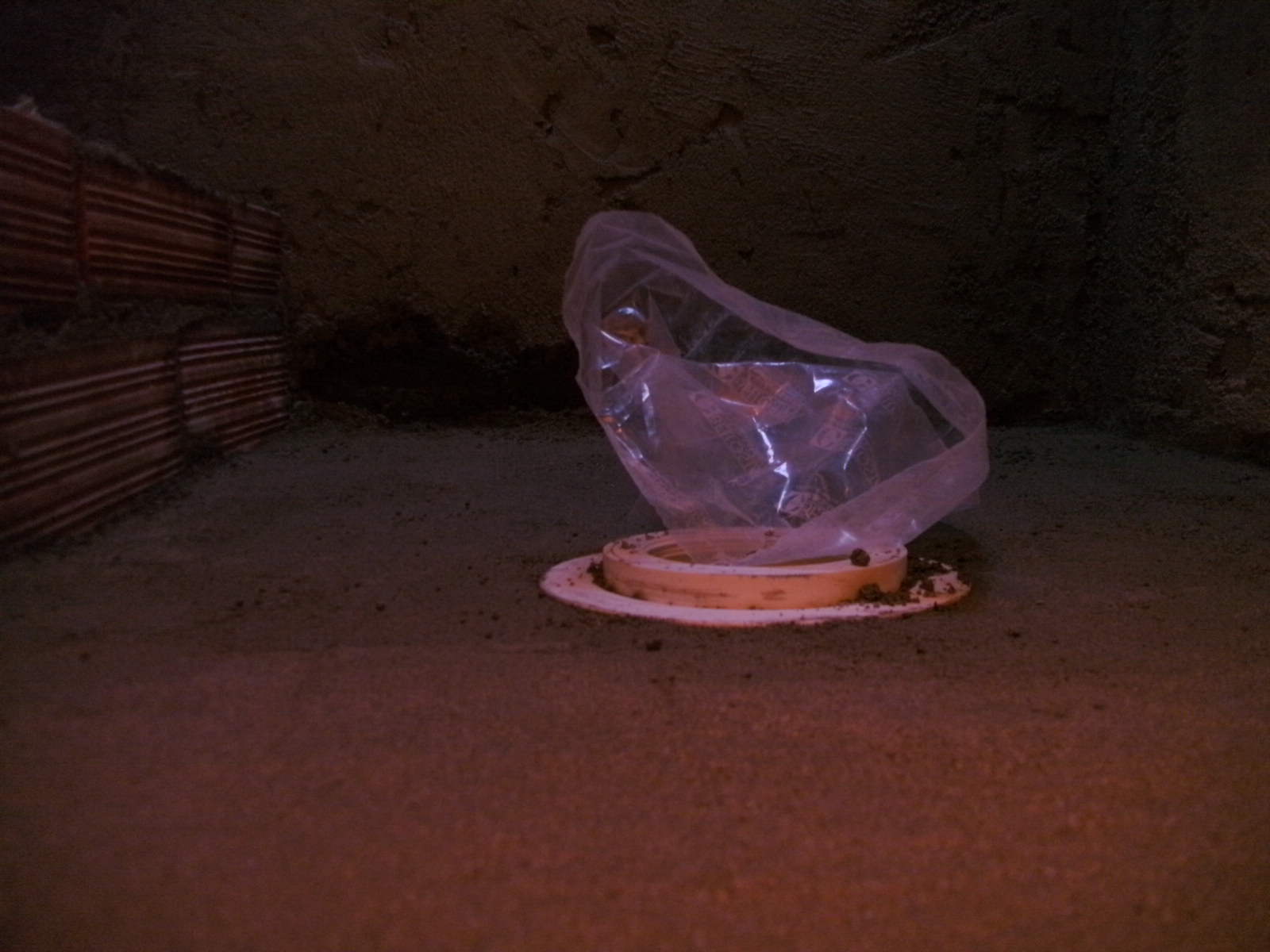


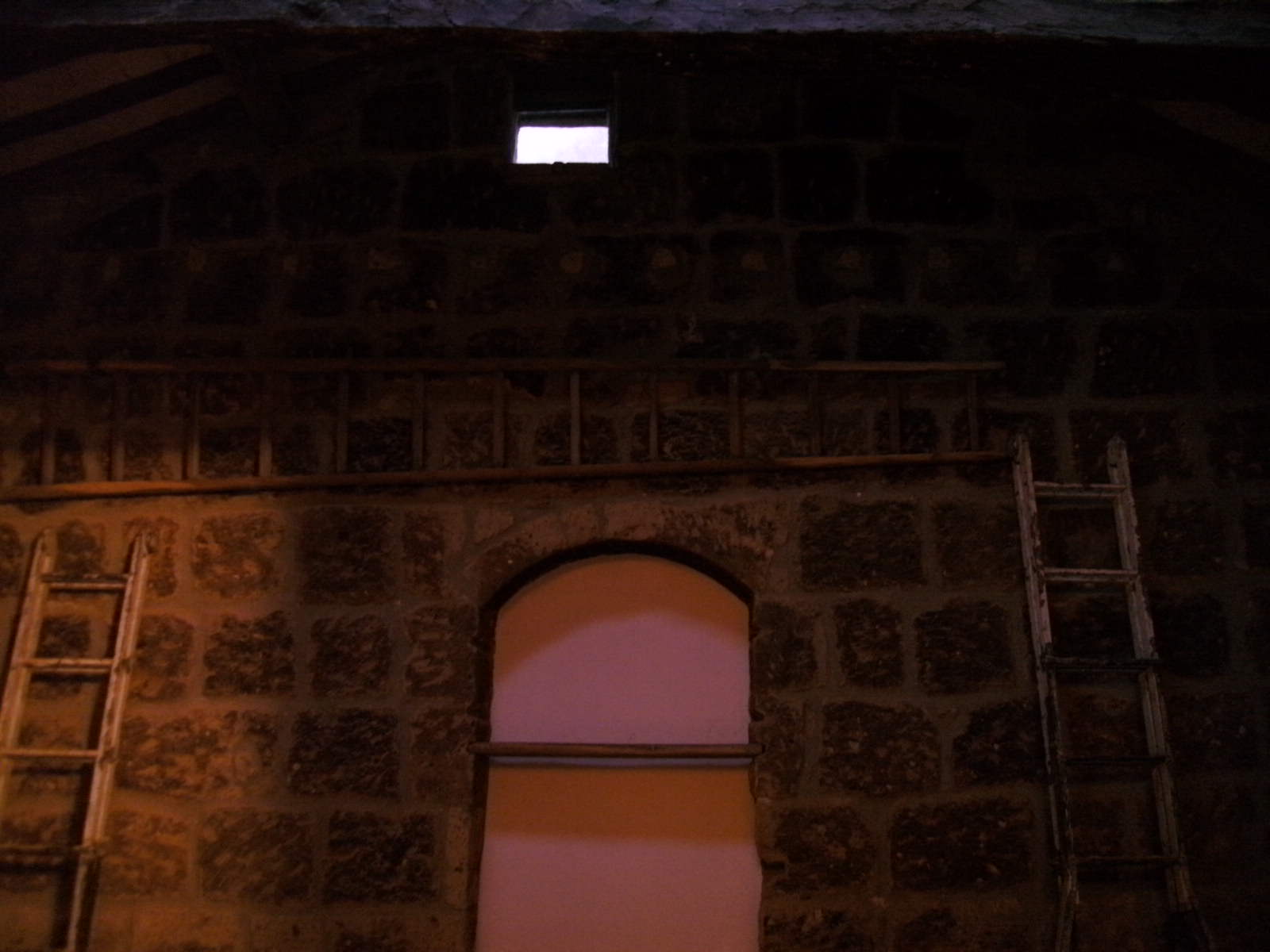
Renovation 2

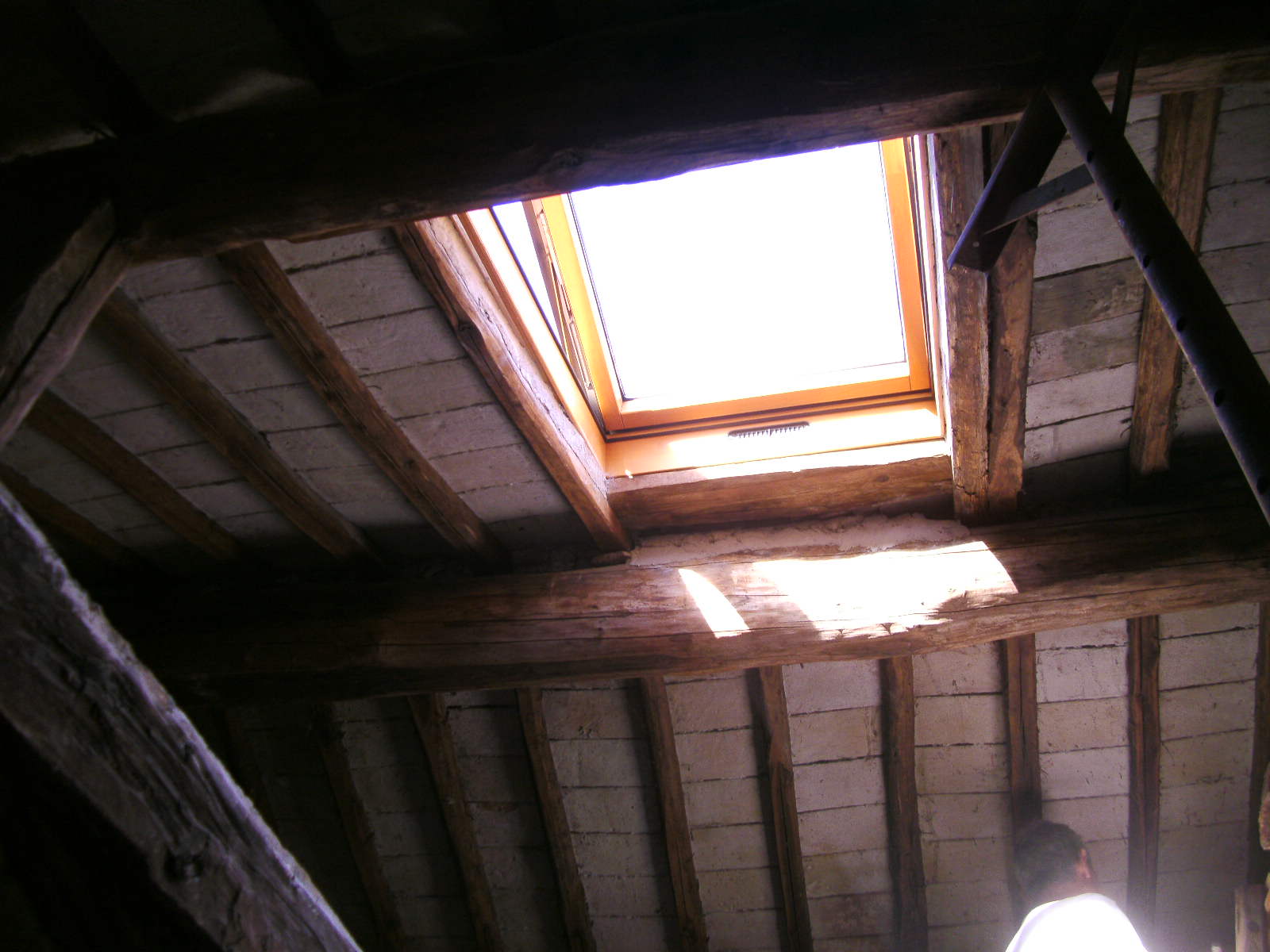

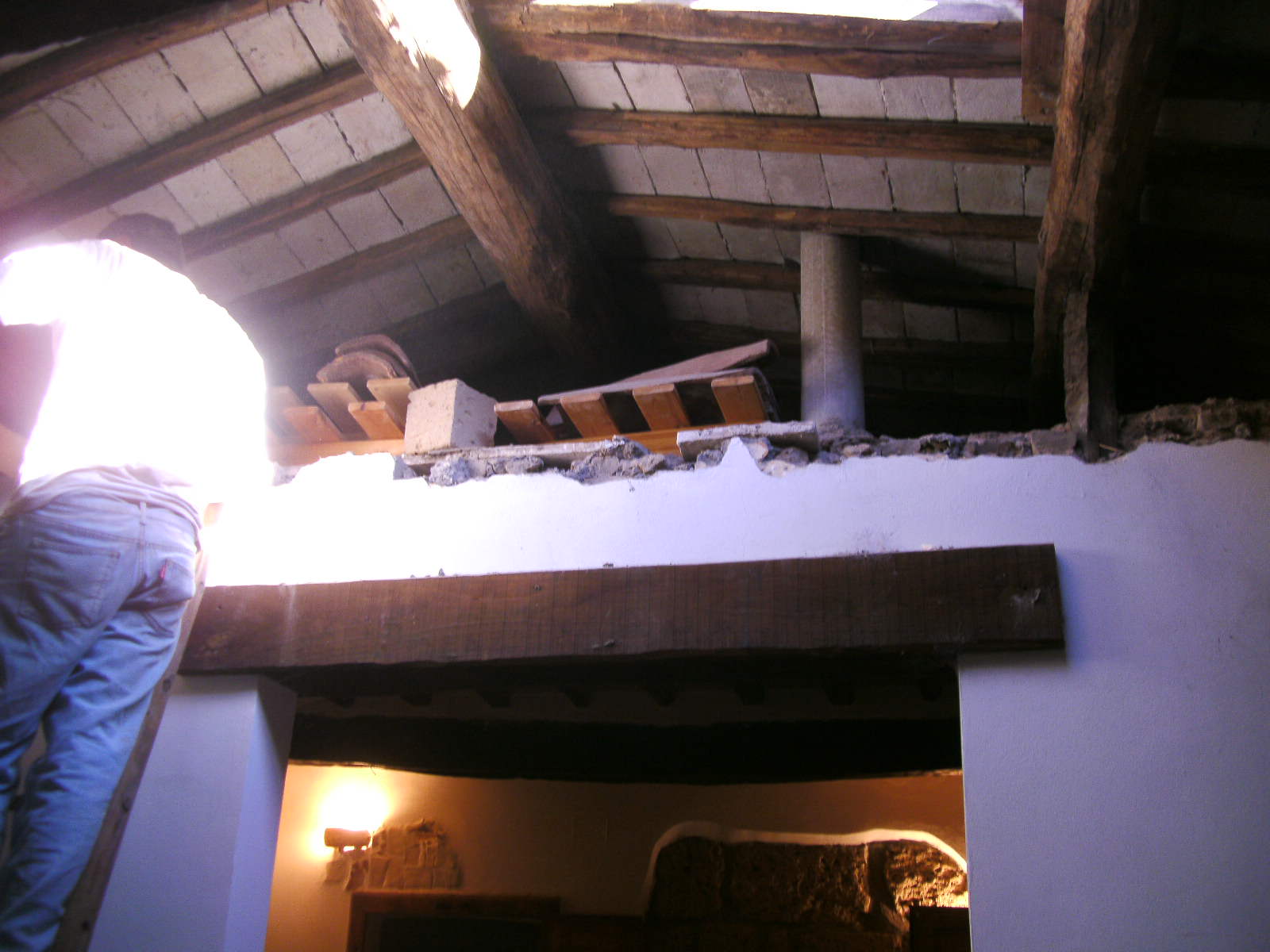


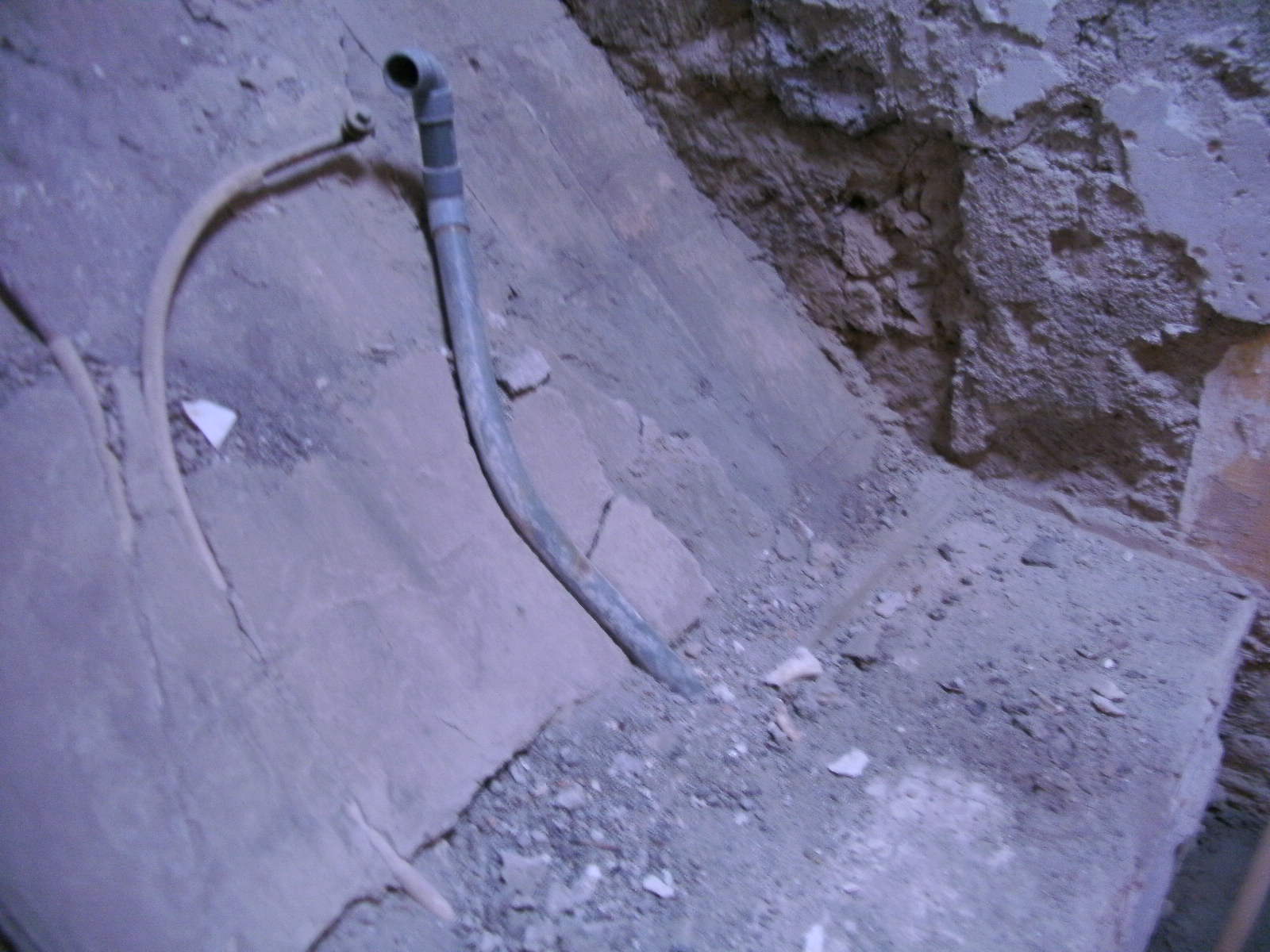
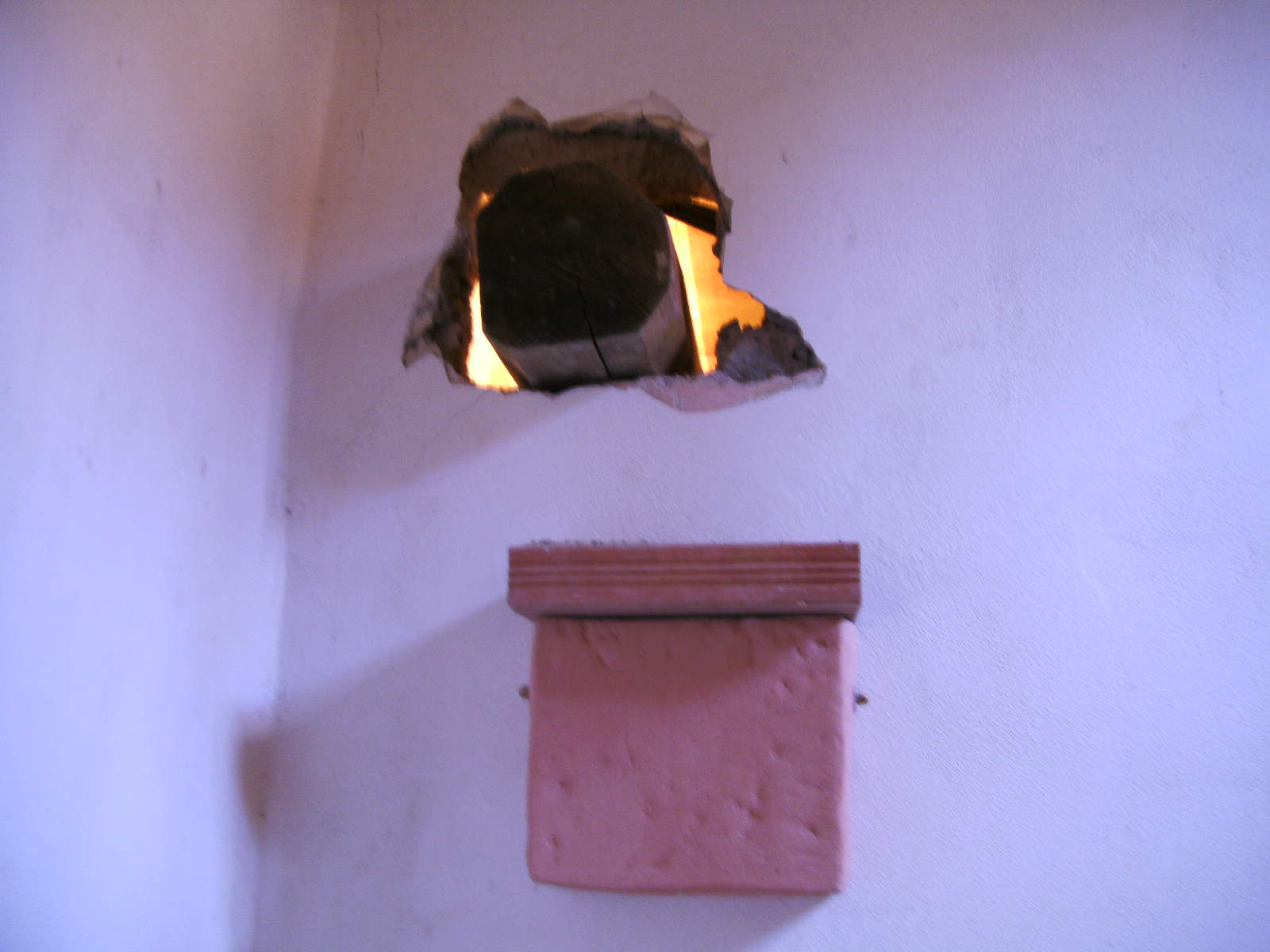
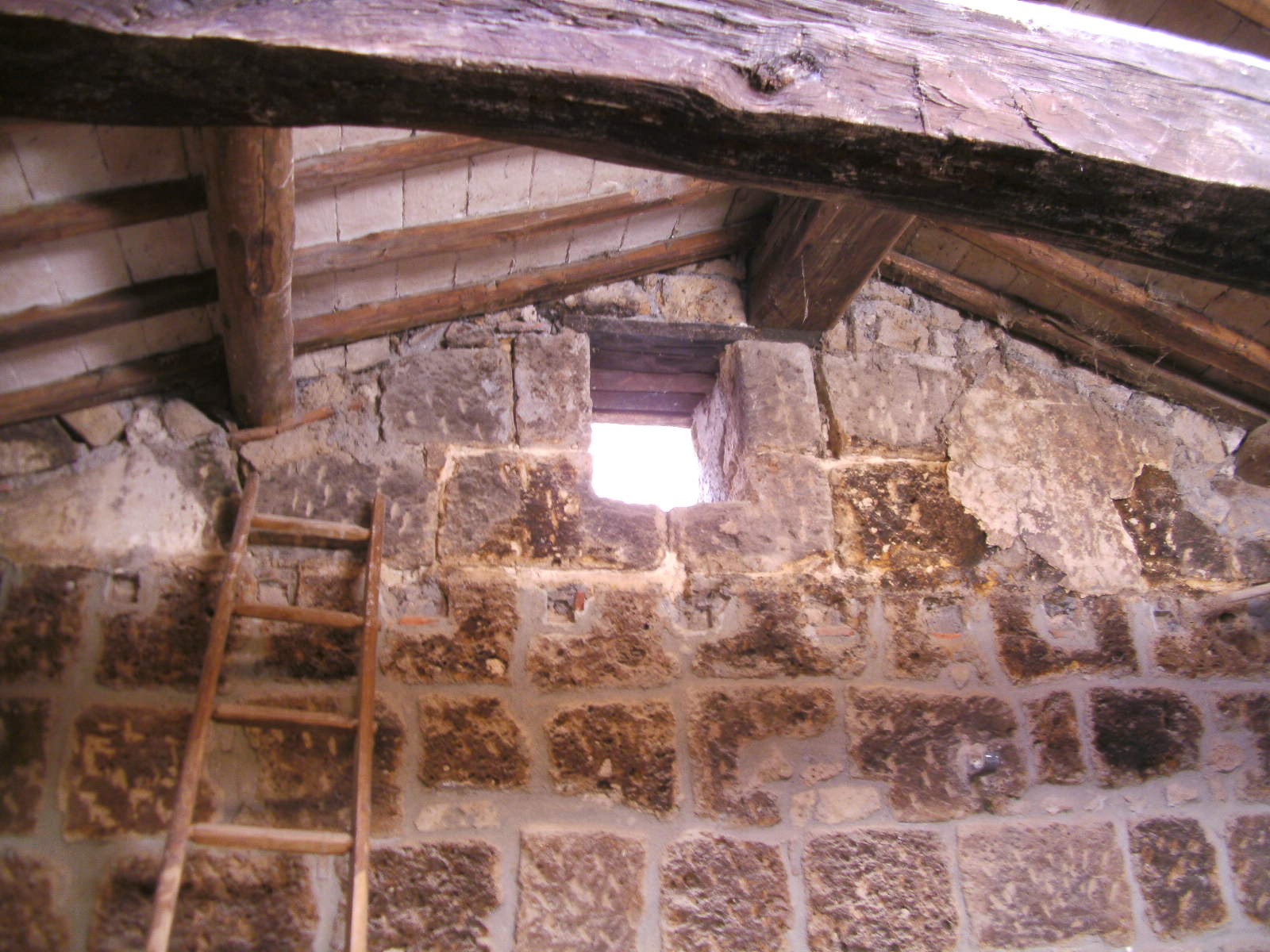
Renovating in Italy
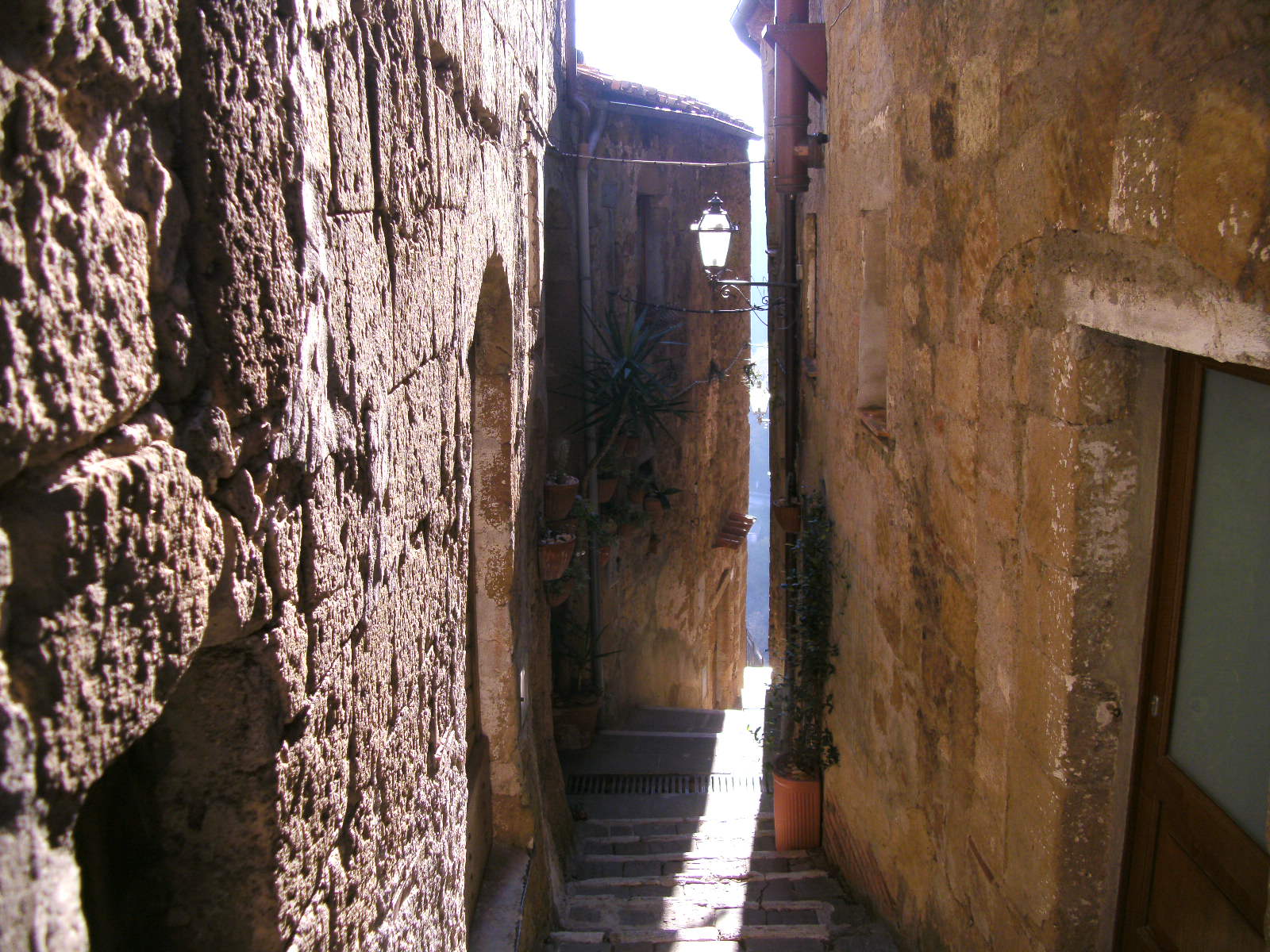
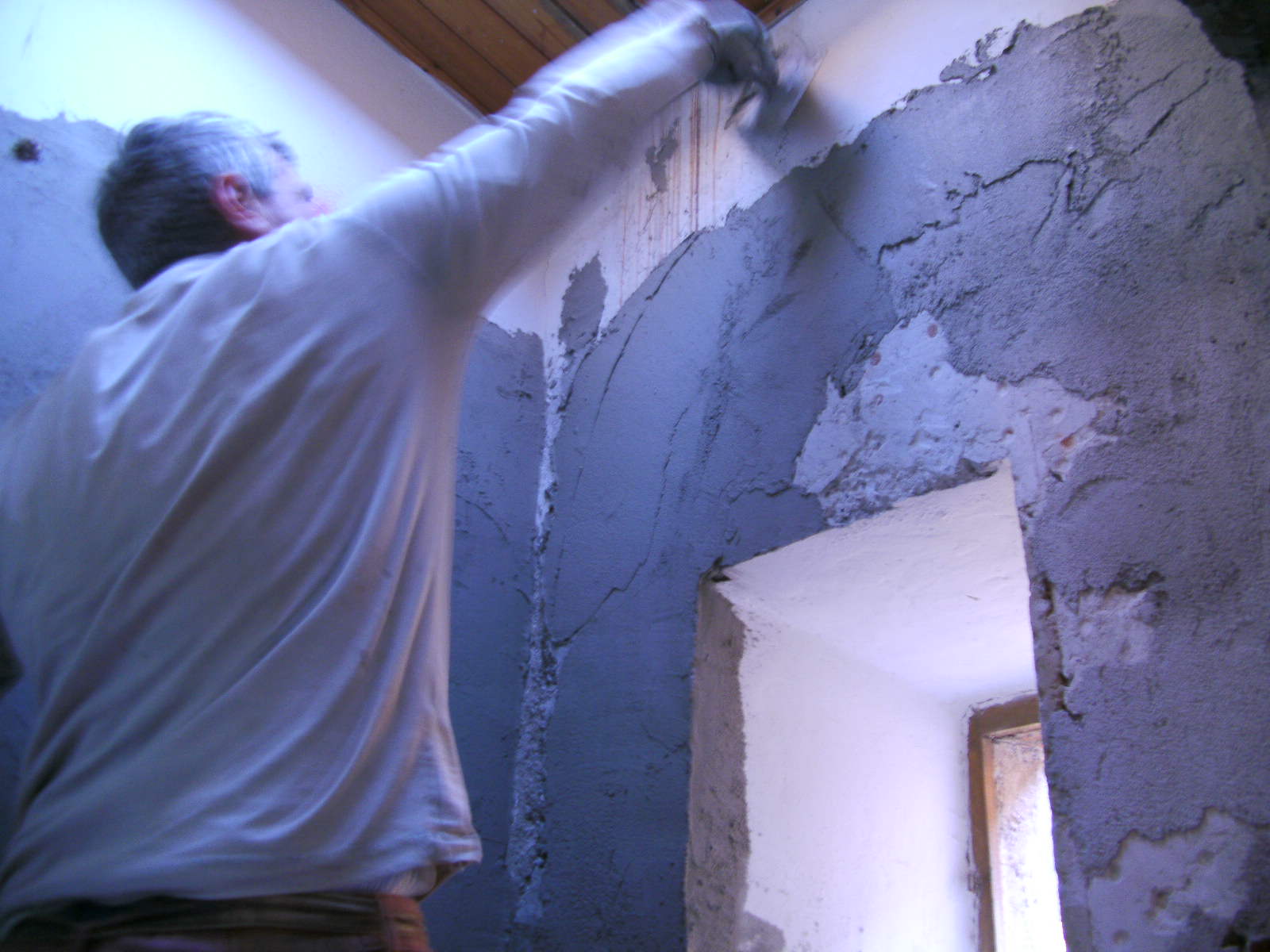
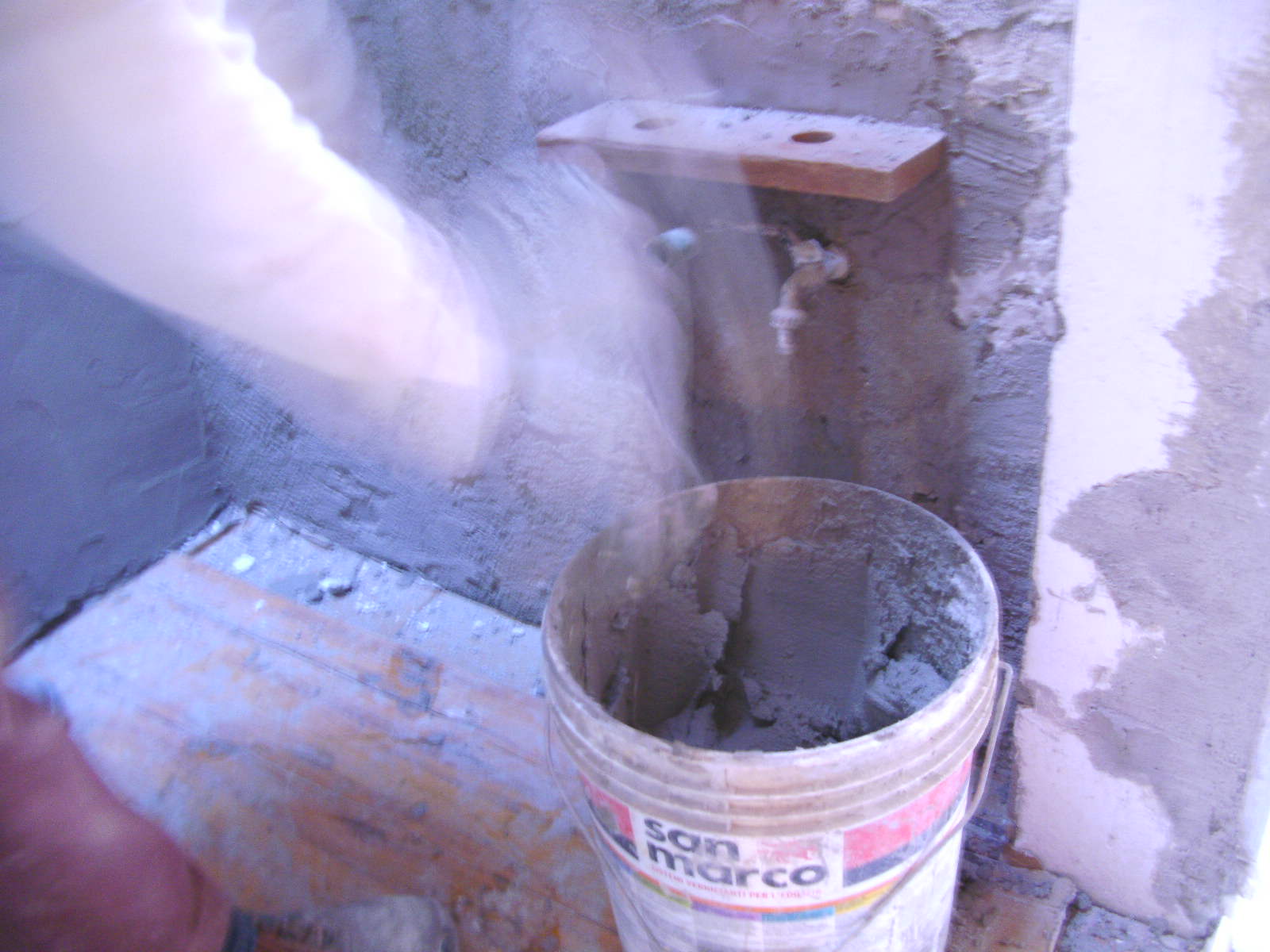
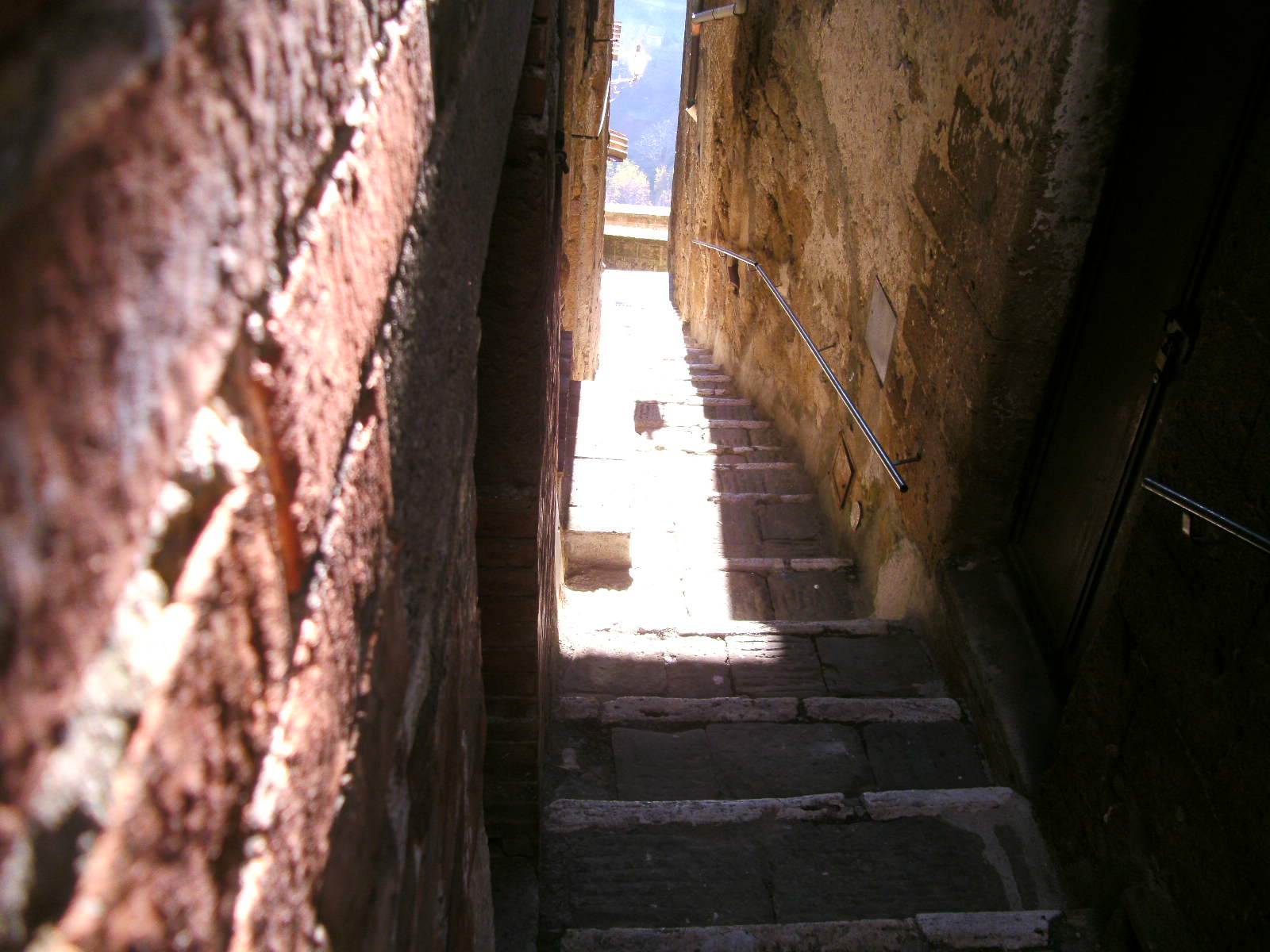
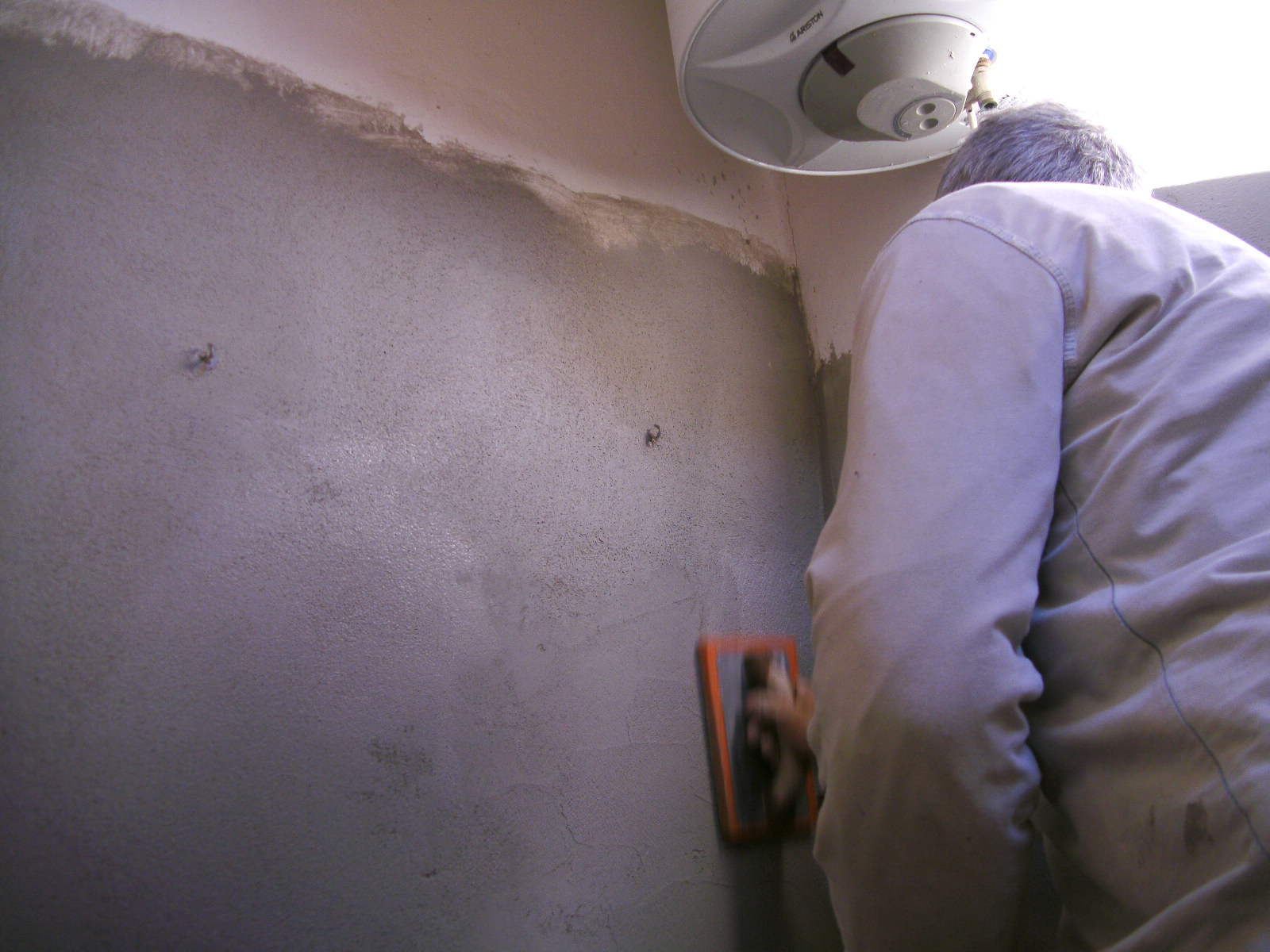
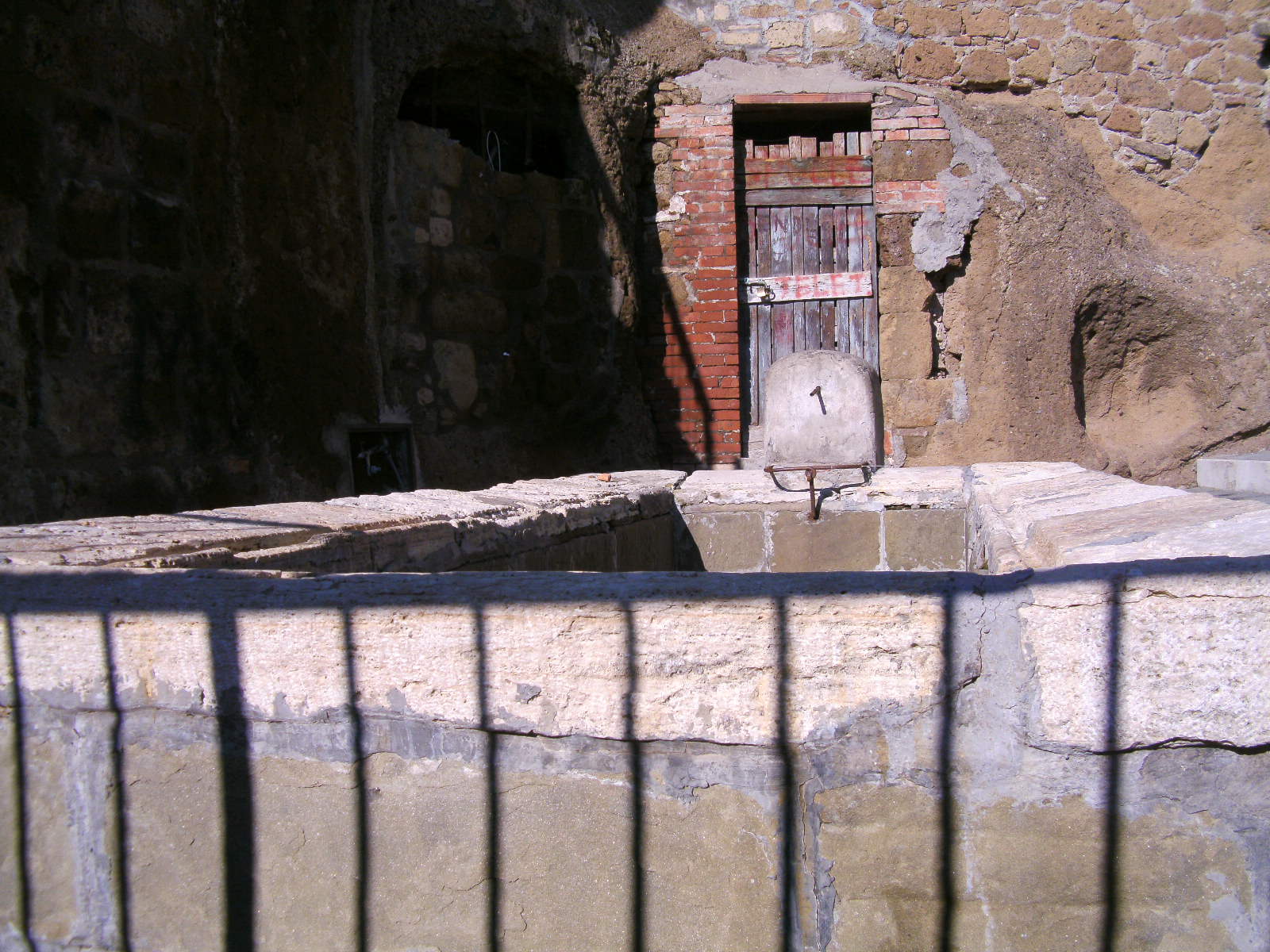
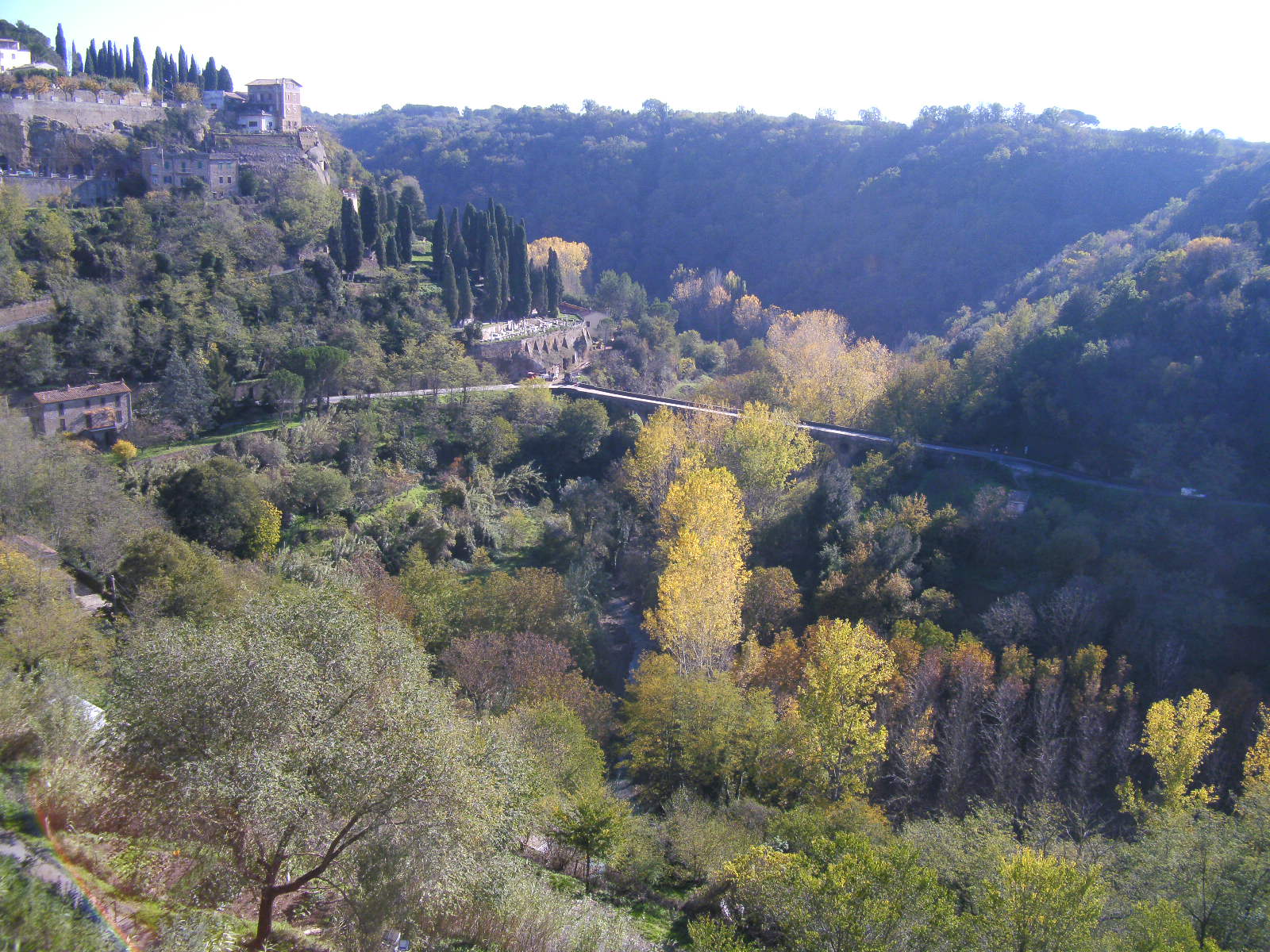
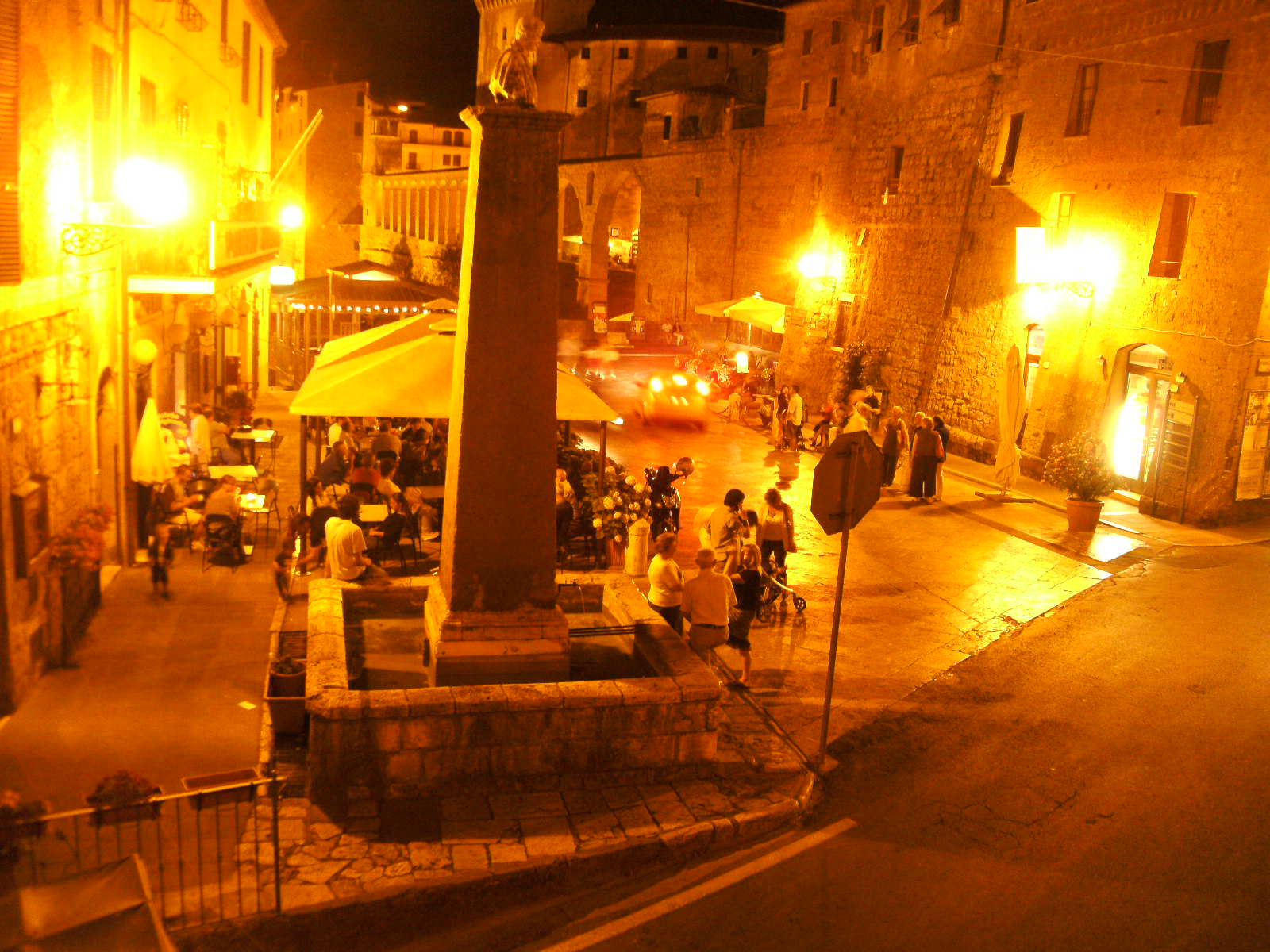
It’s now ten years that we have been in Pitigliano, renovating, holidaying and living. We chose Pitigliano, in the hills of La Maremma, southern Tuscany, for several reasons – the town itself; the hot springs of Saturnia; the wonderful beaches south of Argentario, and the countryside all around. Here are a few photos.

We took up the floors and found old tiles which was a wonderful find, but which now need work again because the ceiling of the magazzino (store room) below is deteriorating affecting the floor above. In truth this work was always going to be done, it was just a matter of when – when arrived in 2012.


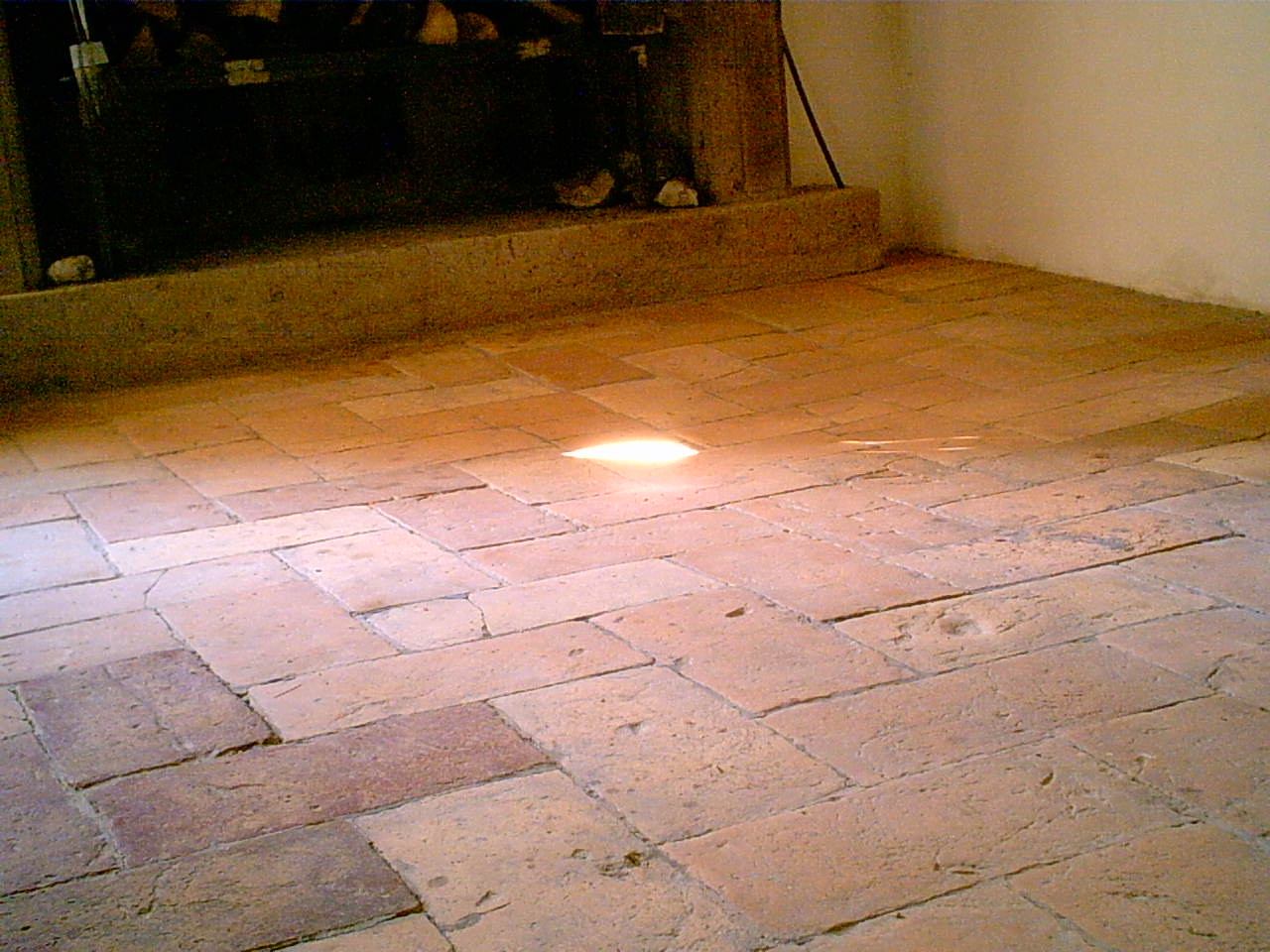
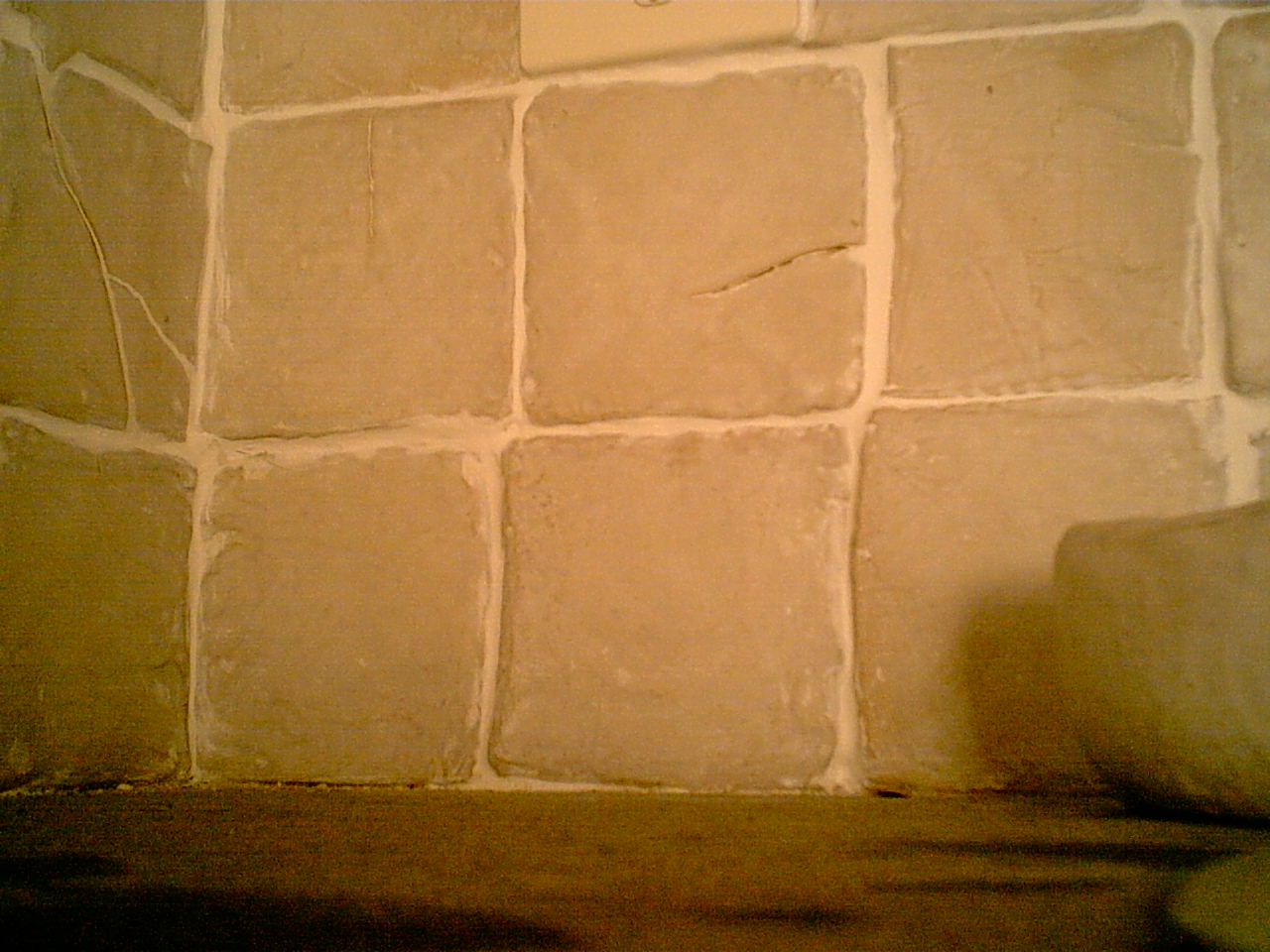
I made my own stoneware tiles for the kitchen, following the idea of uncovered – ‘found old marble’.



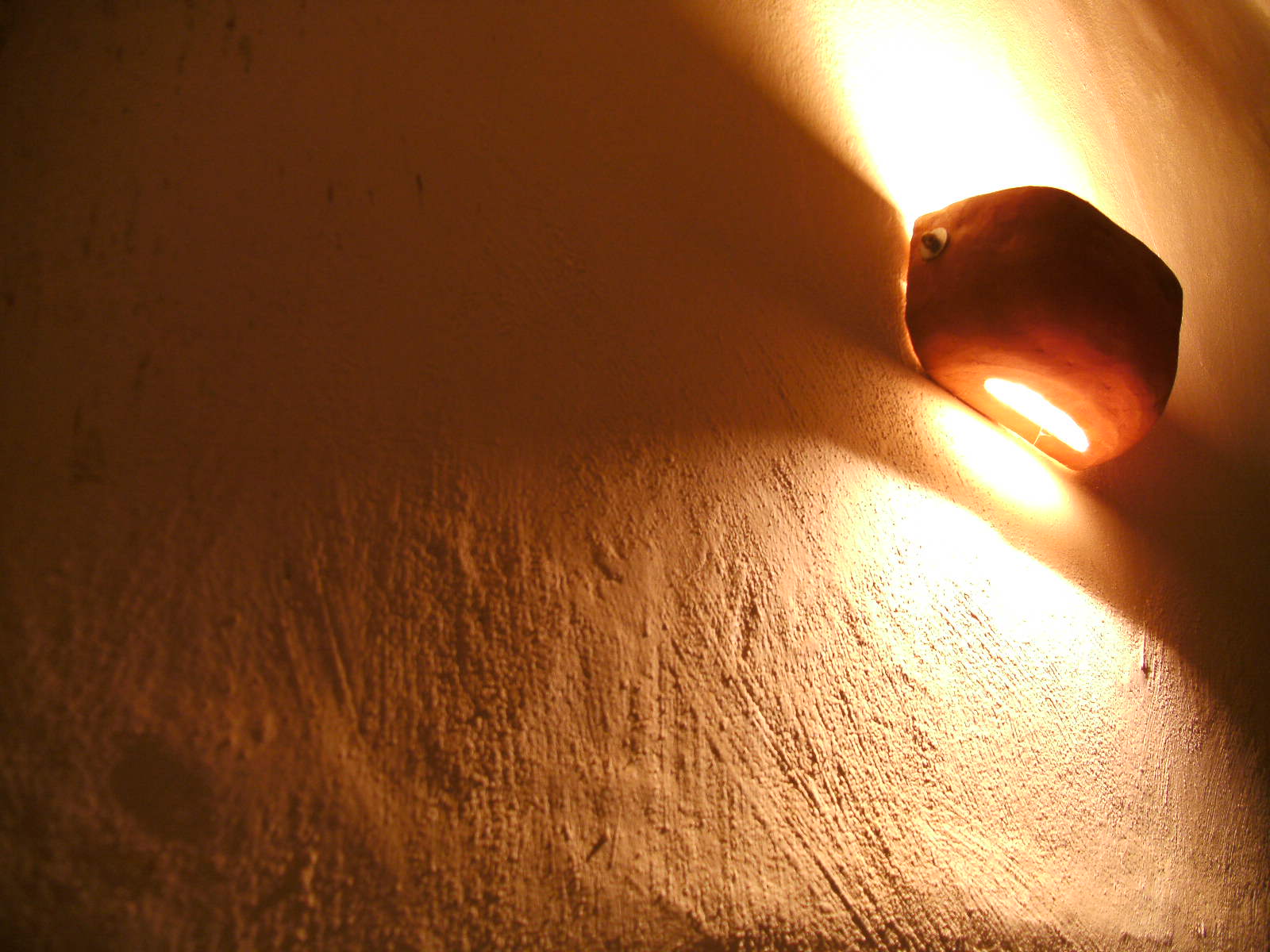
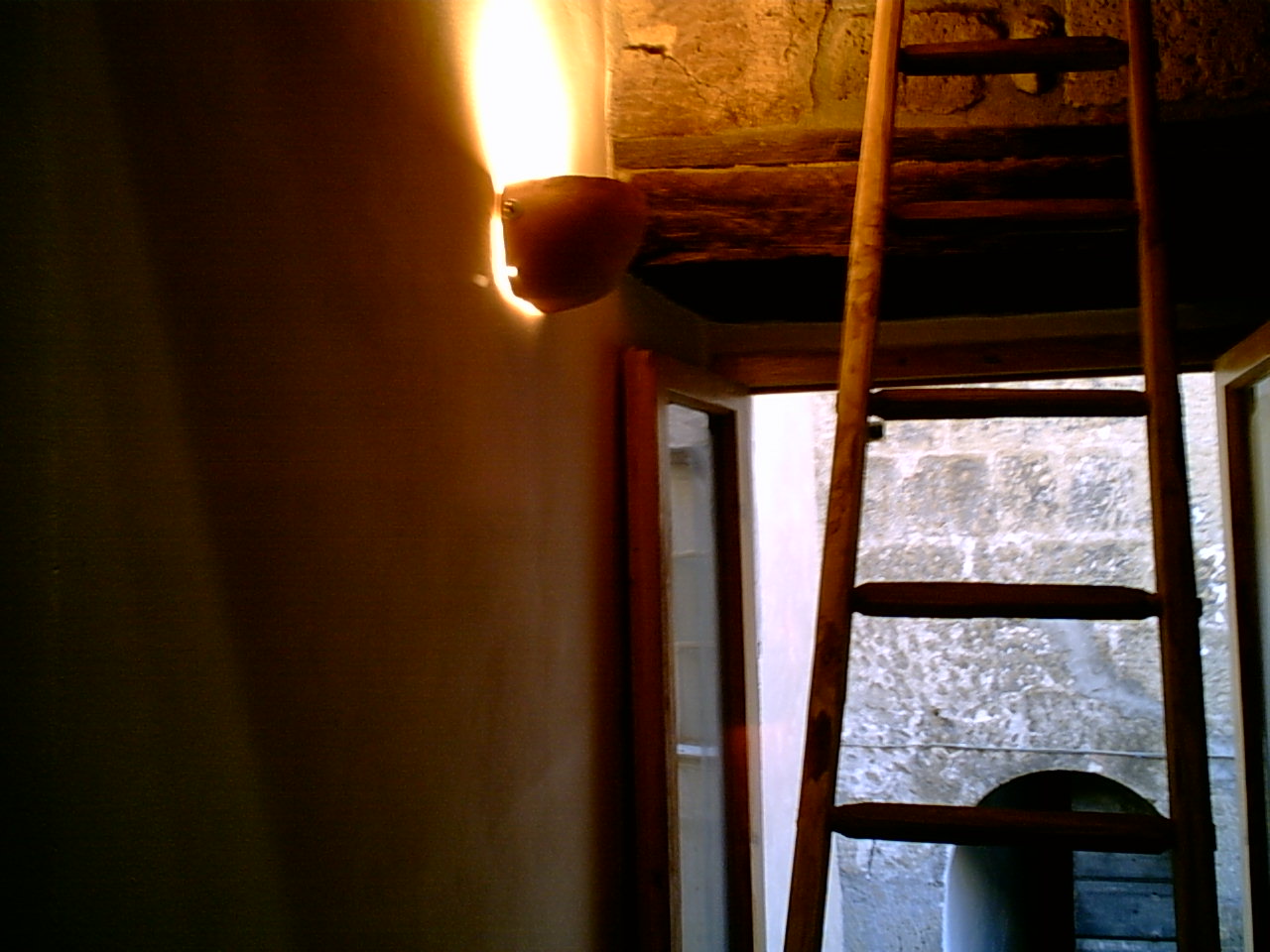
We found the original painted wall and built it around designs incorporating terracotta wall lamps I made. Not everyone would do this or even like it for his or herself, but for us the architectural point of an old house like this, going back in parts to the 17th century – as it it is for local builders – is that you create and reconfigure old aspects and ‘finds’ into the overall look.


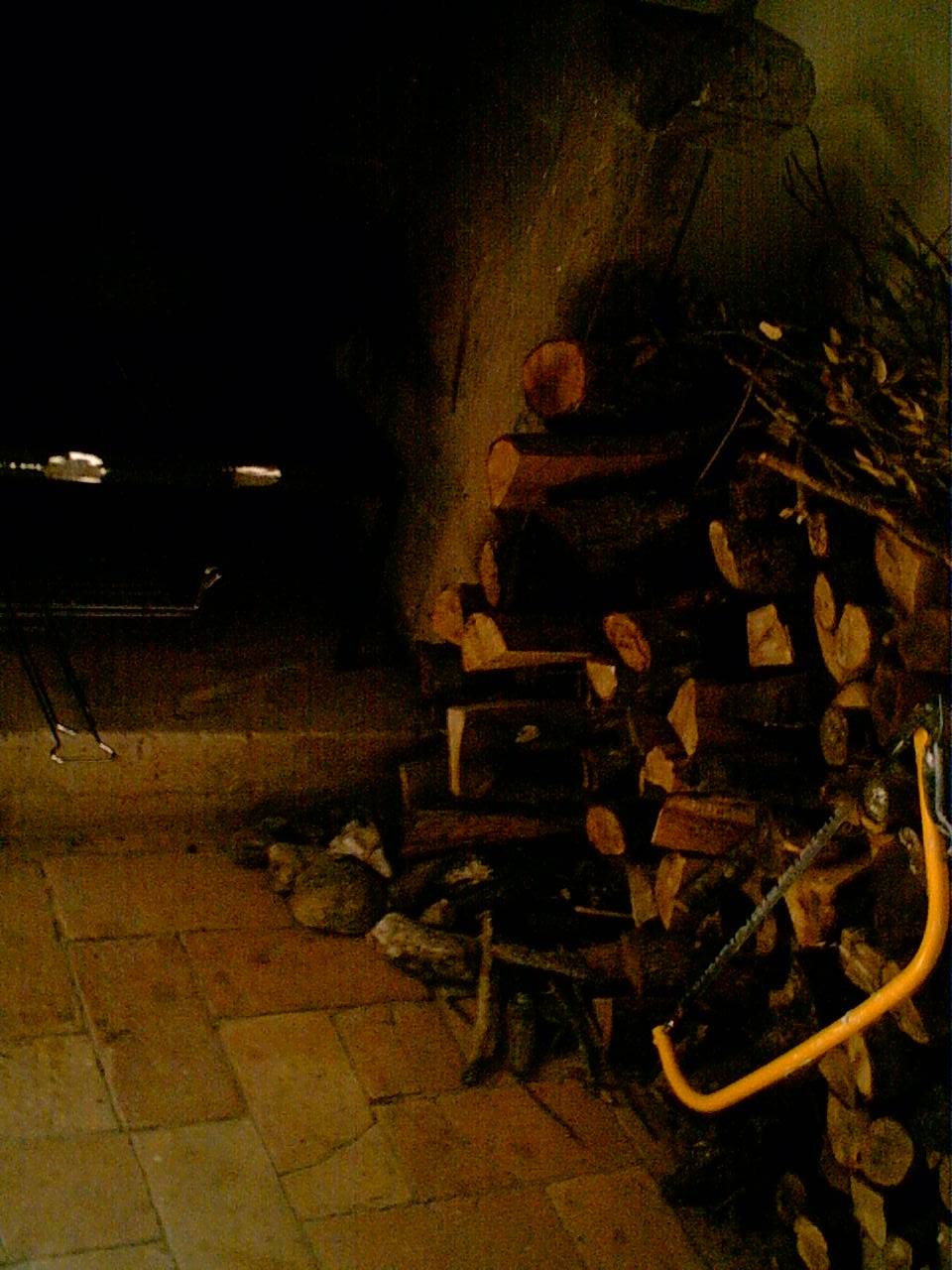
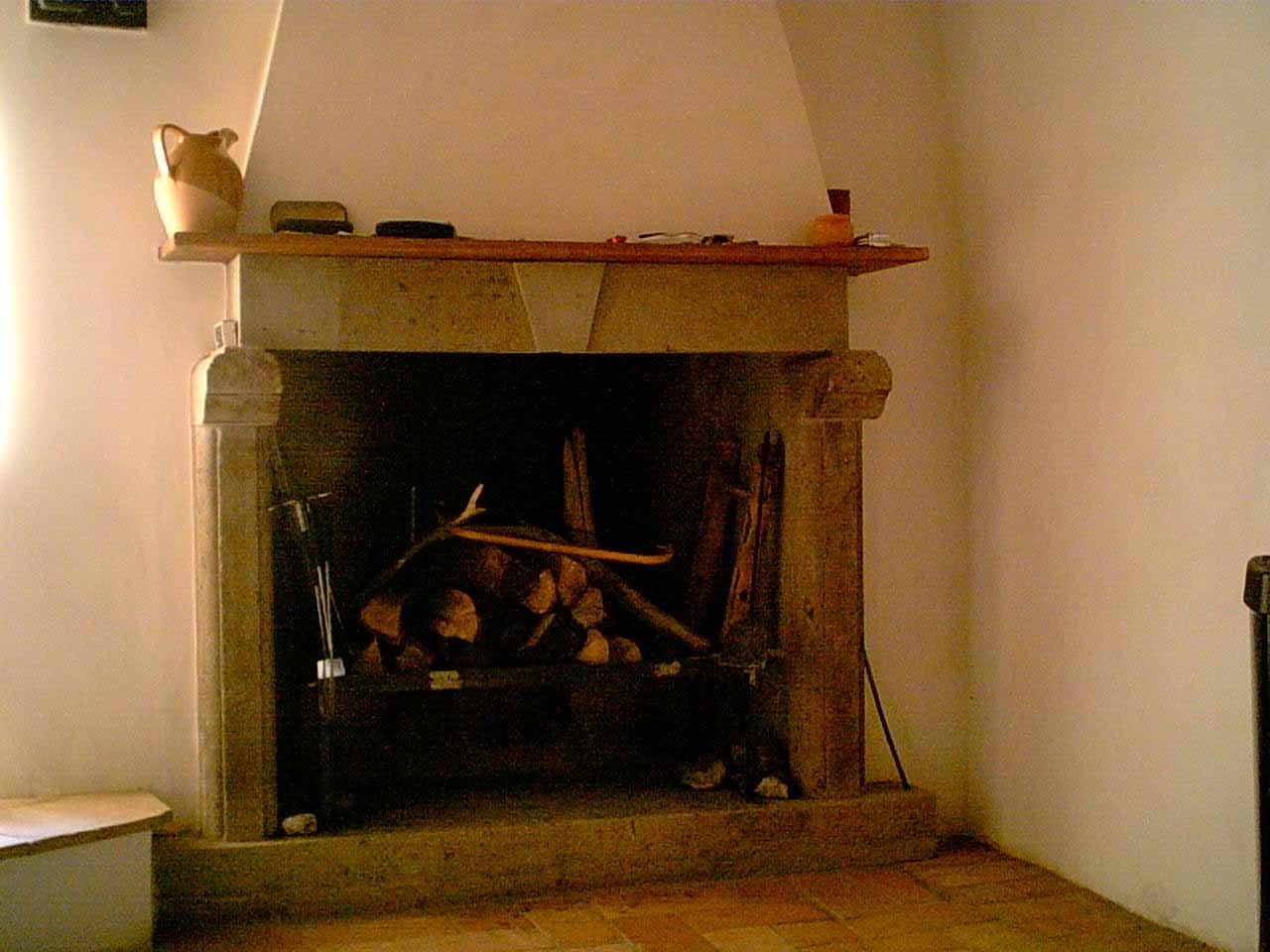
The fireplace was completely excavated, set back and made much larger, and we designed a heavy cast iron grill and had it made at a local foundry, so any fire on it would suck up the air and roar up the chimney.
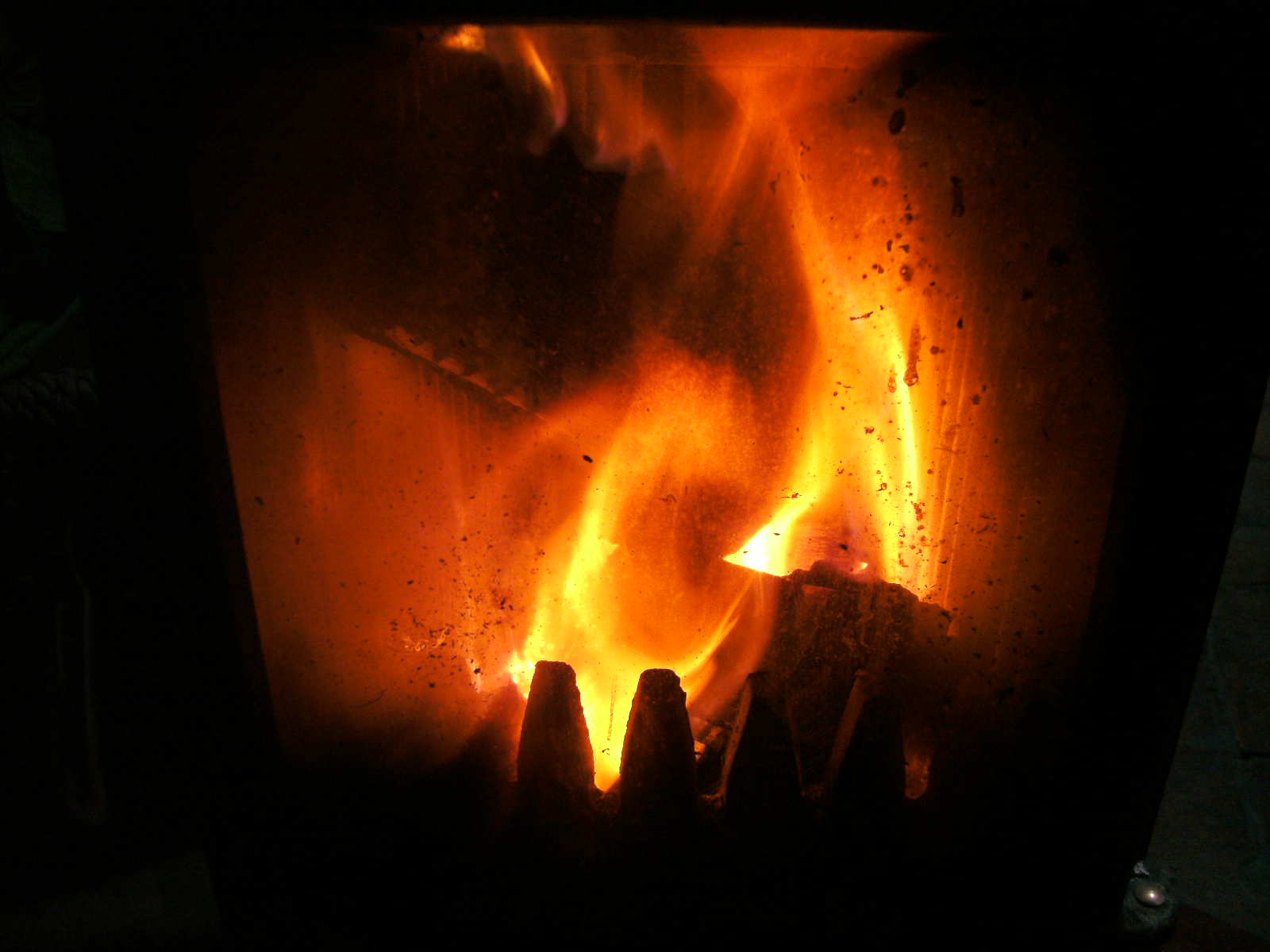
A wood heater (la stufa), for keeping the house warm when a roaring wood fire would create too much heat.


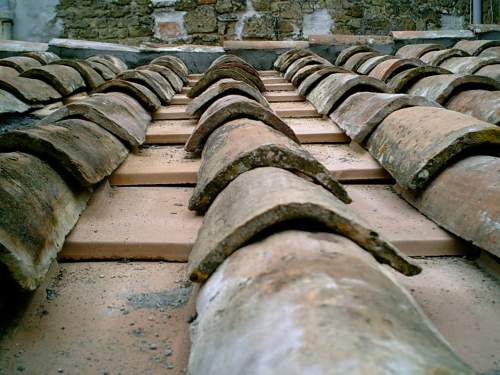
The roof was redone.

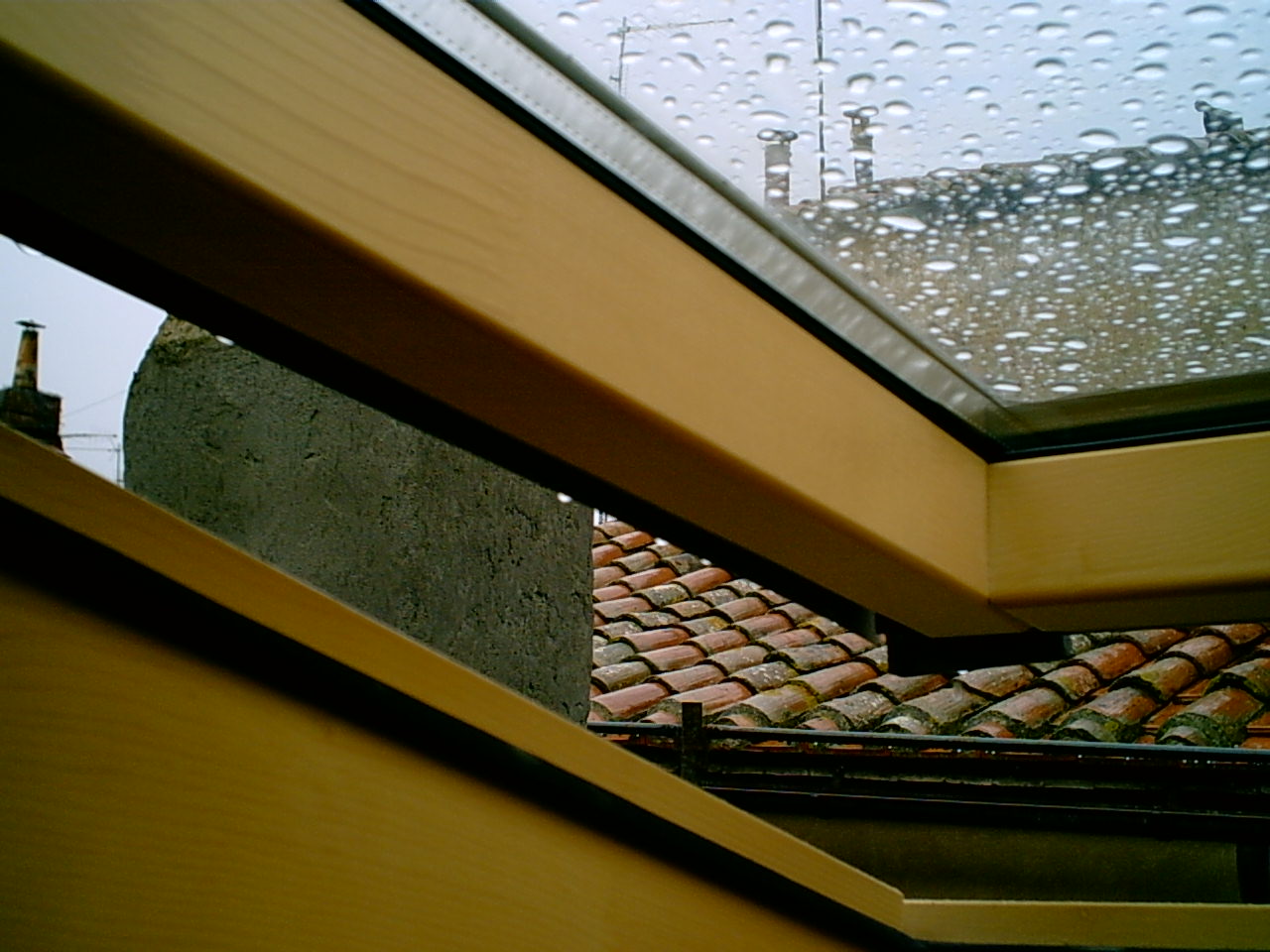
Ceilings and a skylight done.


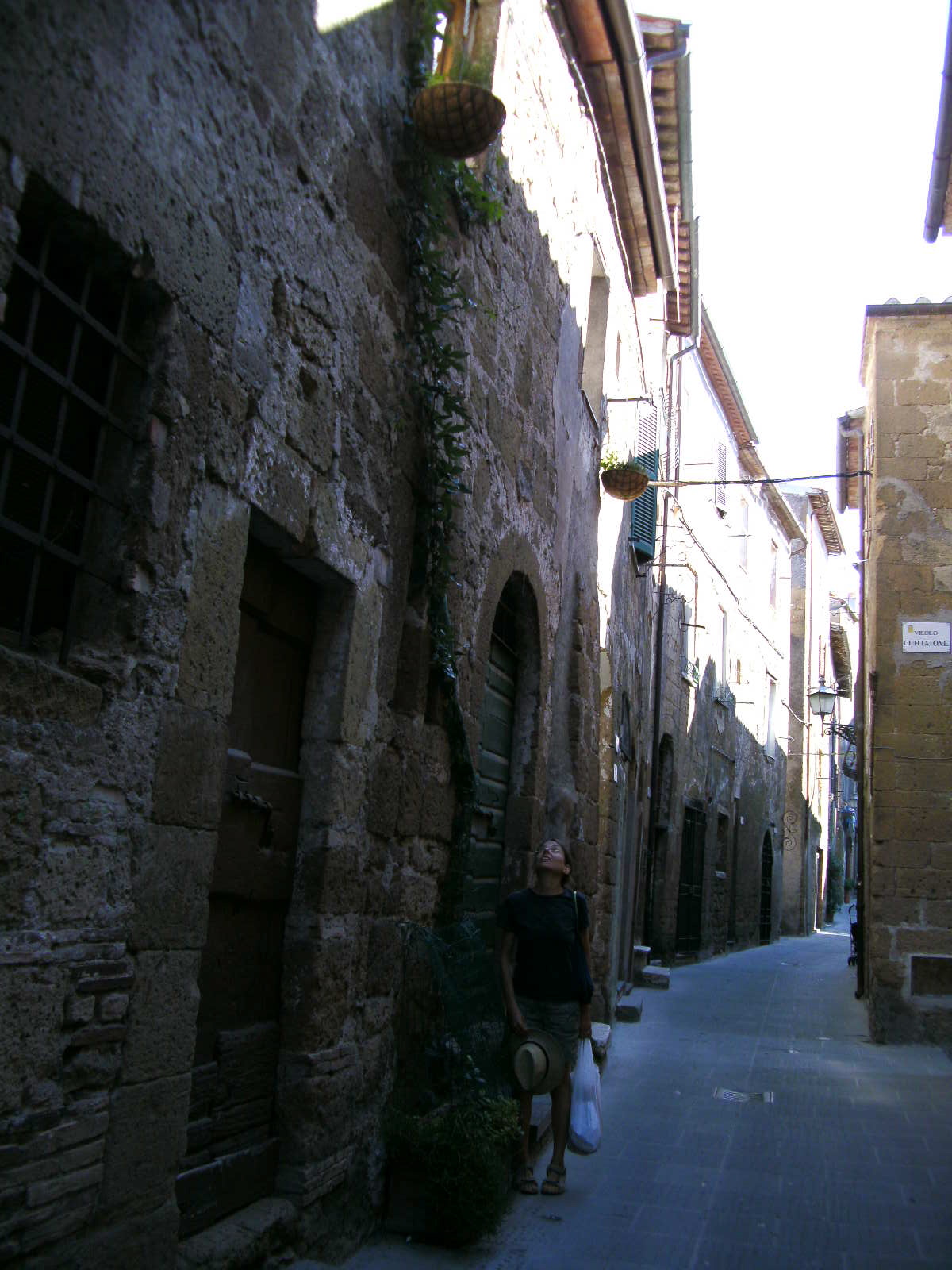
Shutters (le persiane) put up.
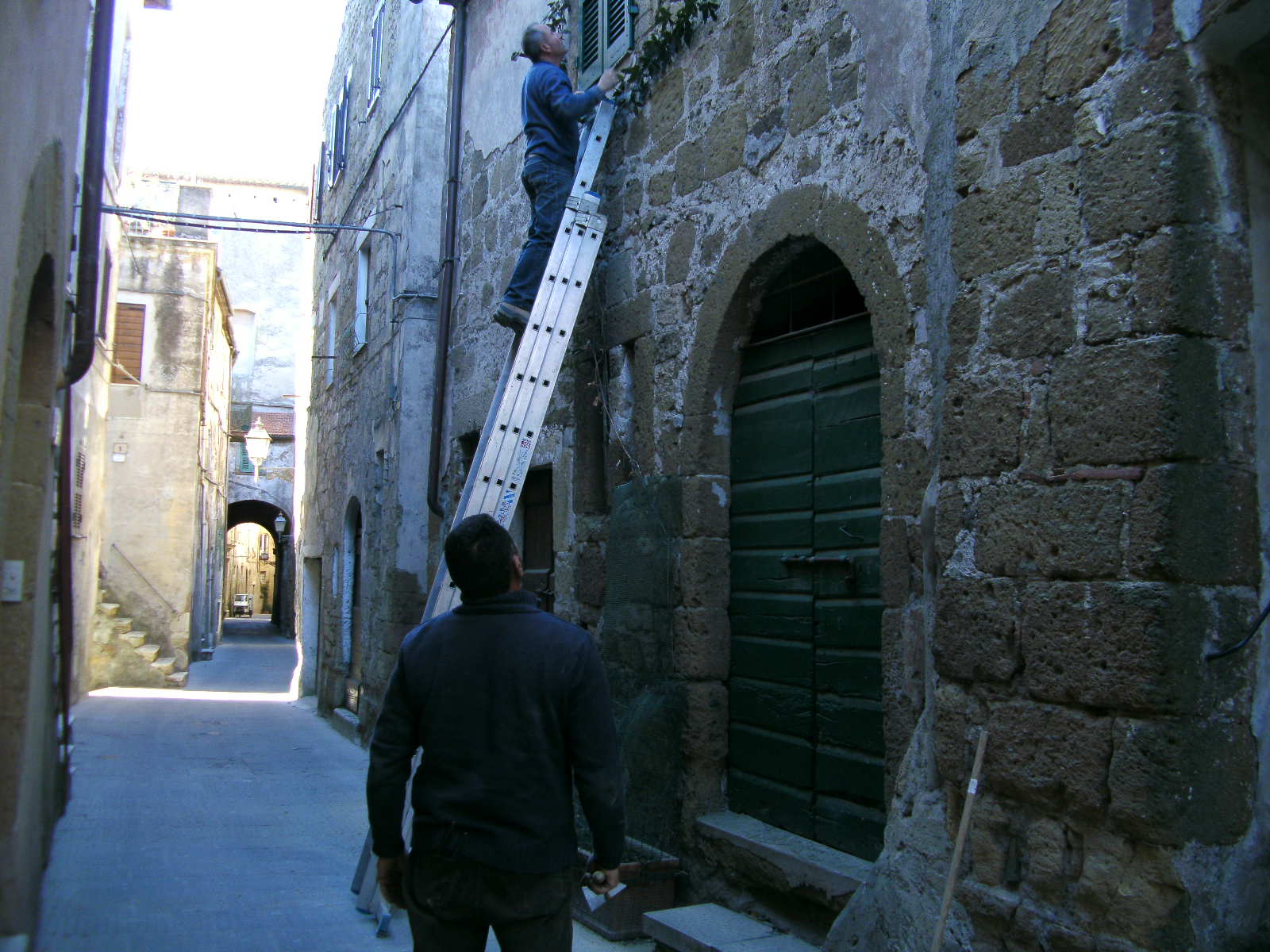

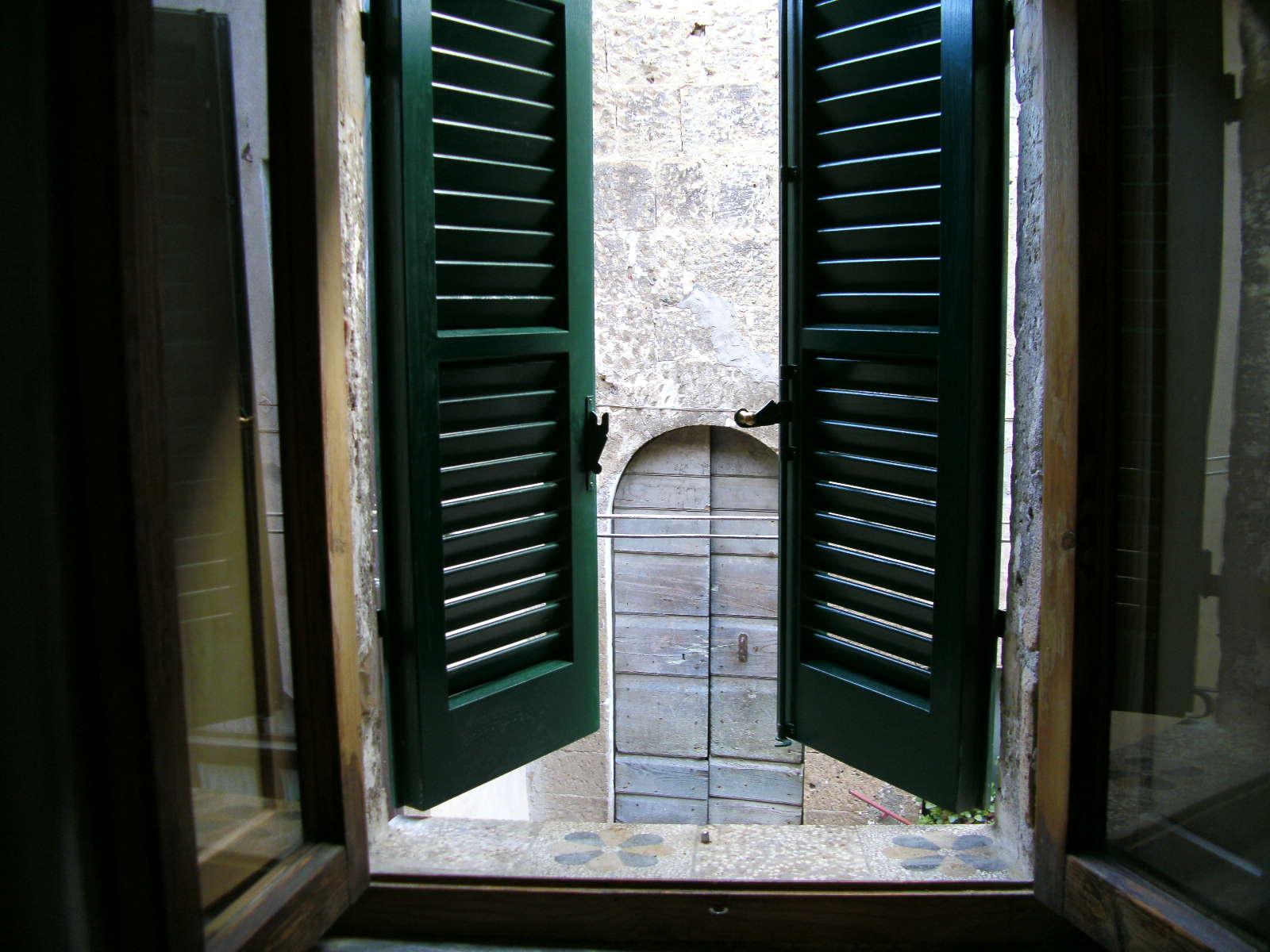
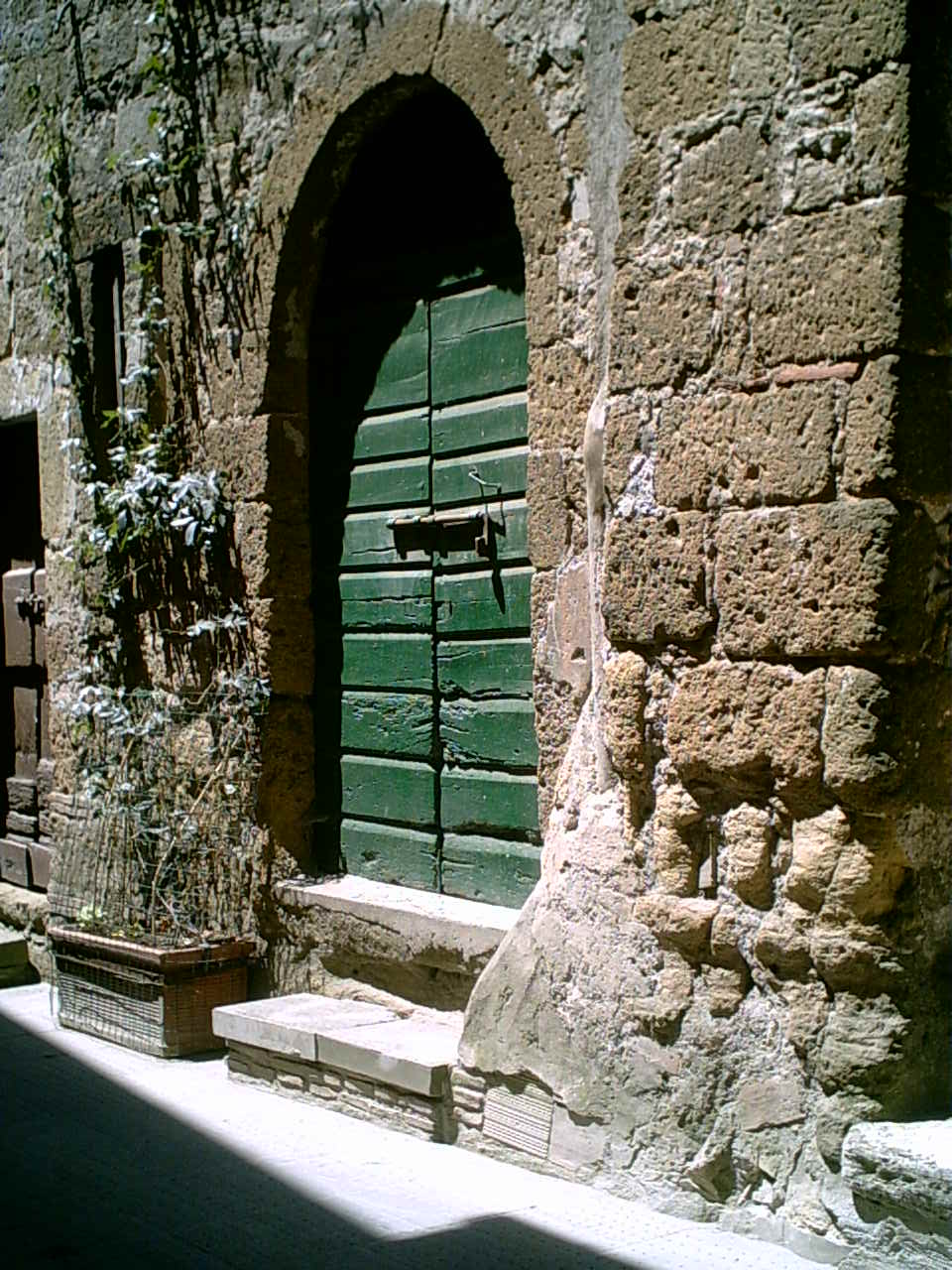
Slowly, modestly we are getting the house in shape.


Narratorial Unreliability
Christian Mihai discusses his ideas on unreliable narrators, something he likes to see writers use, and a technique he says he uses himself. Still, he misses a fundamental point – all narrators, storytellers, dramatists, poets, are unreliable. From Homer, Shakespeare to Sartre, no writer tells, gets close to ‘the truth’, even if he or she is prepared to die in the process of collecting all the observable details of a factually based fiction.

Do we trust Tolstoy’s account of Napoleon in War and Peace? Perhaps… if we are Russian.
Narrator unreliability doesn’t have to be a first person account, though the most obvious modernist exploitations of narrator unreliability in fiction use that form. The best approach – for this writer at least – is when the writer sets out to deceive us, and by convincing us that he or she has told the truth, transfers any doubt on narratorial reliability to a reader’s interpretation of the tale.
Journal de France@CANNES

Raymond Depardon and Claudeine Nougaret’s Journal de France, a quiet, inquiet, incisive and drifting study of their fifty-year collaboration and life in photo and cine-journalism.


Journal went straight through the eye to the heart, reminding me of all the driving I have done throughout France on the way to Italy, the footage I have filmed around the globe. The best art reminds of ourselves and our own lives always.
Some of the most arresting cine-images and moments were not North Africa, Venezuela or Czechoslovakia in political turmoil but the still images taken in quite places along French roads.

 Swimanög