

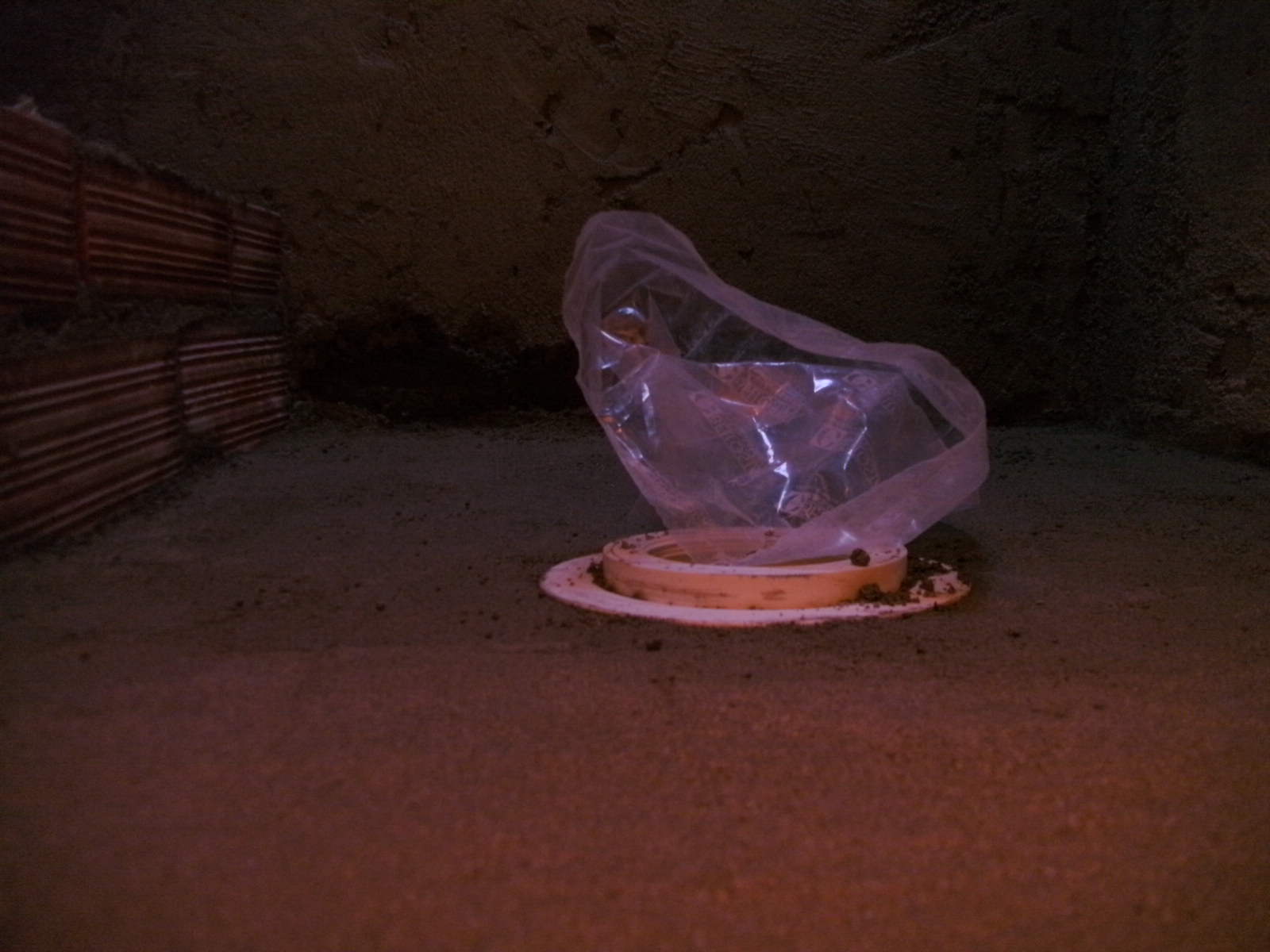


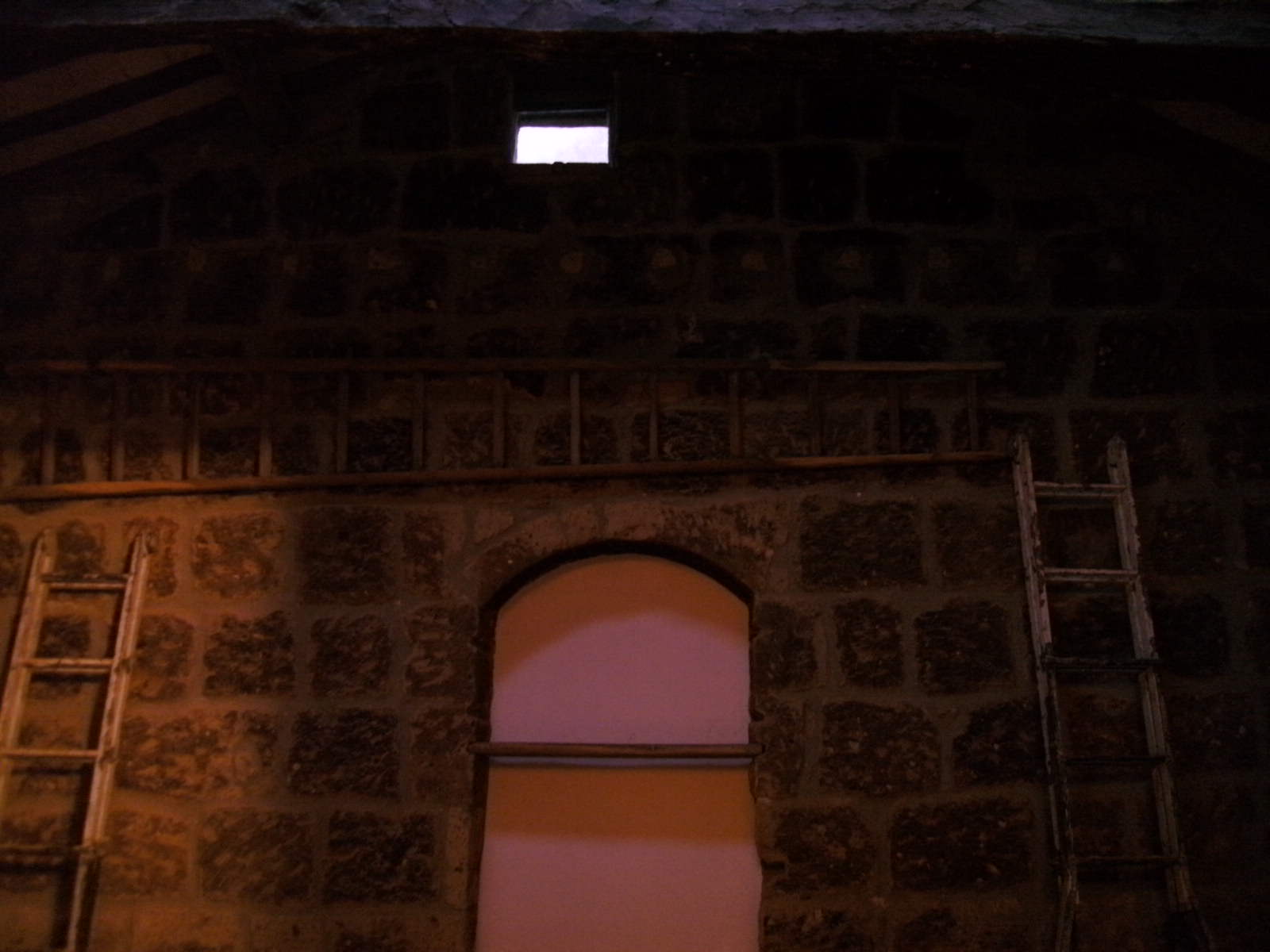







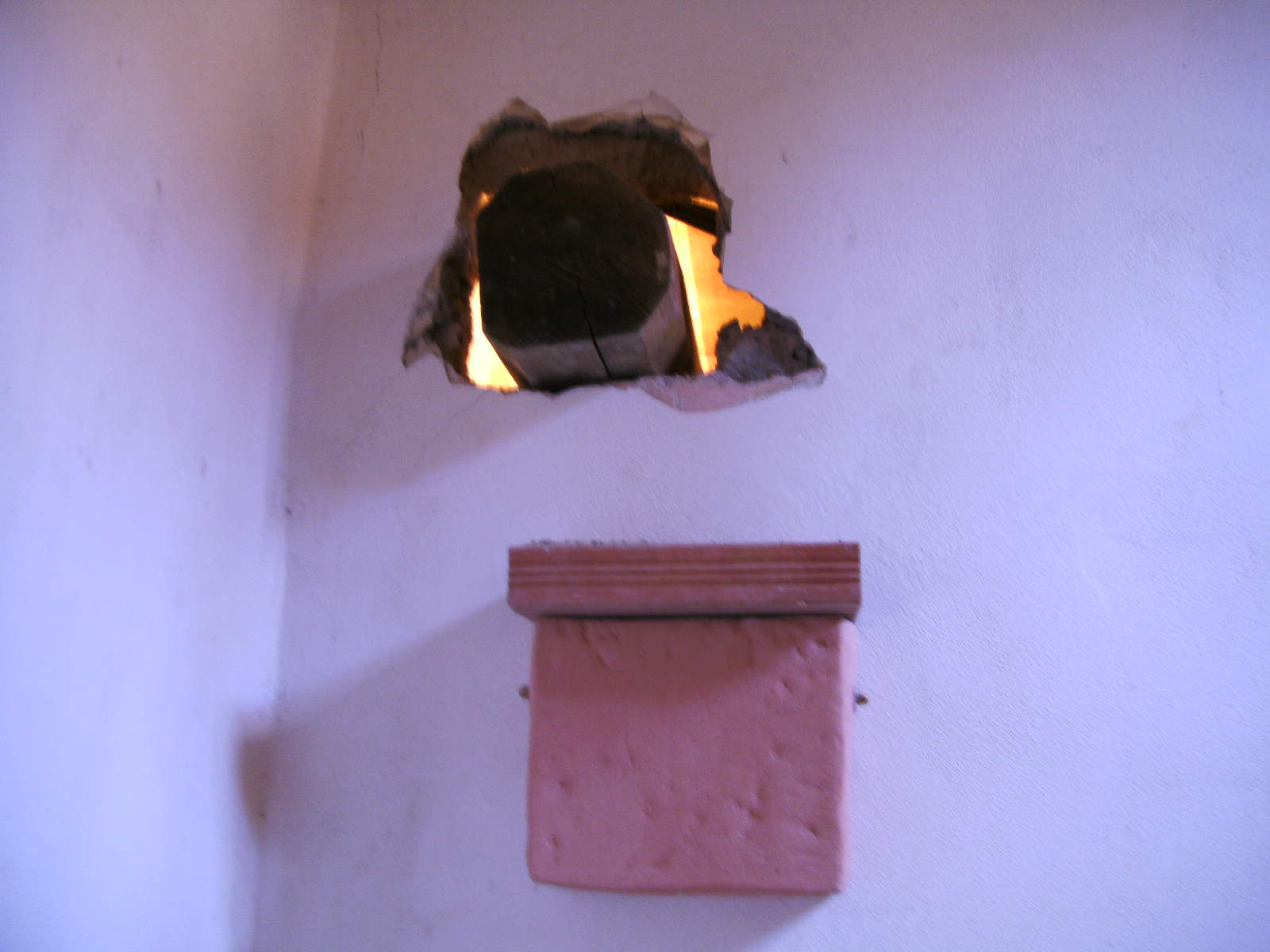
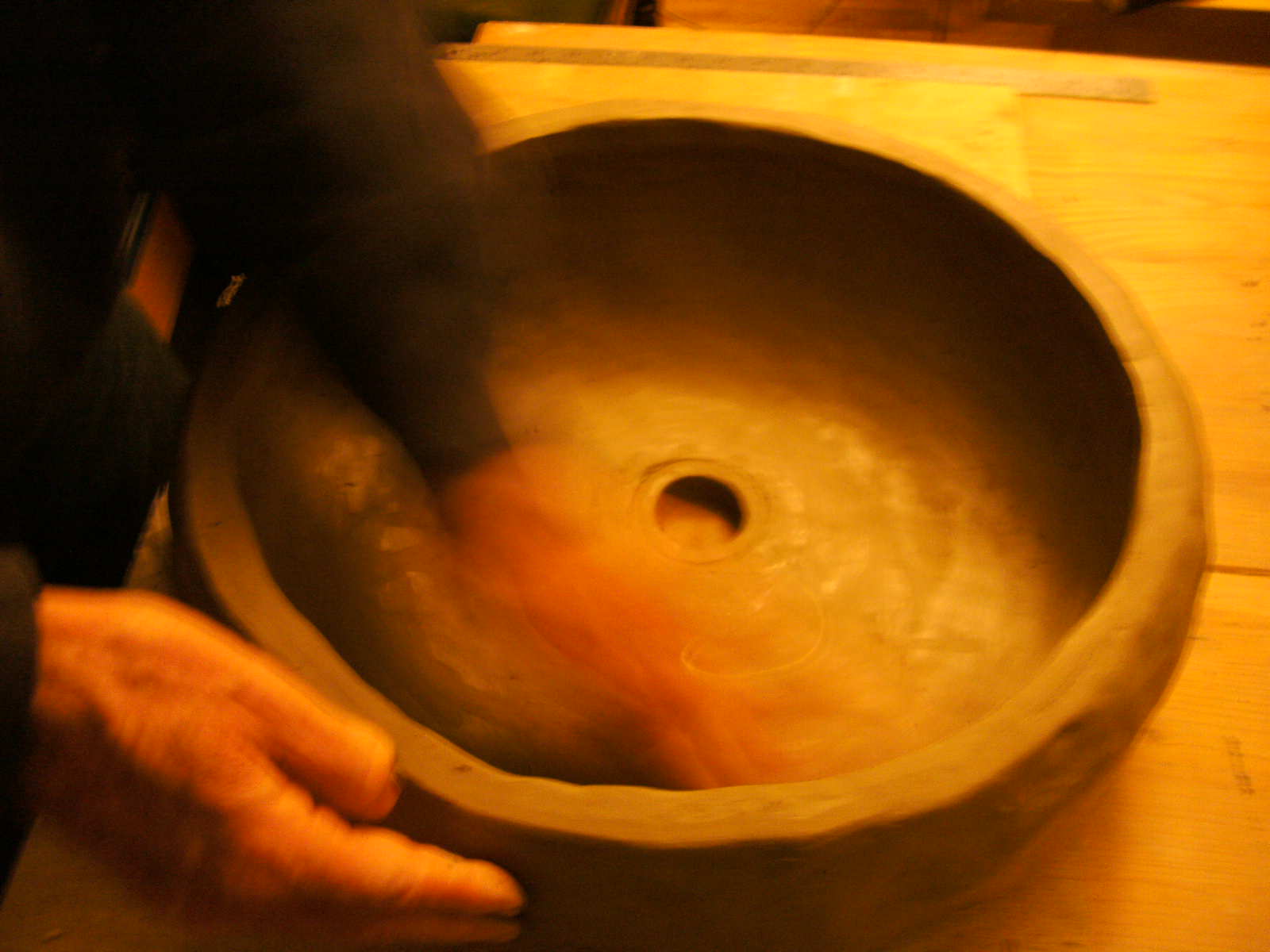
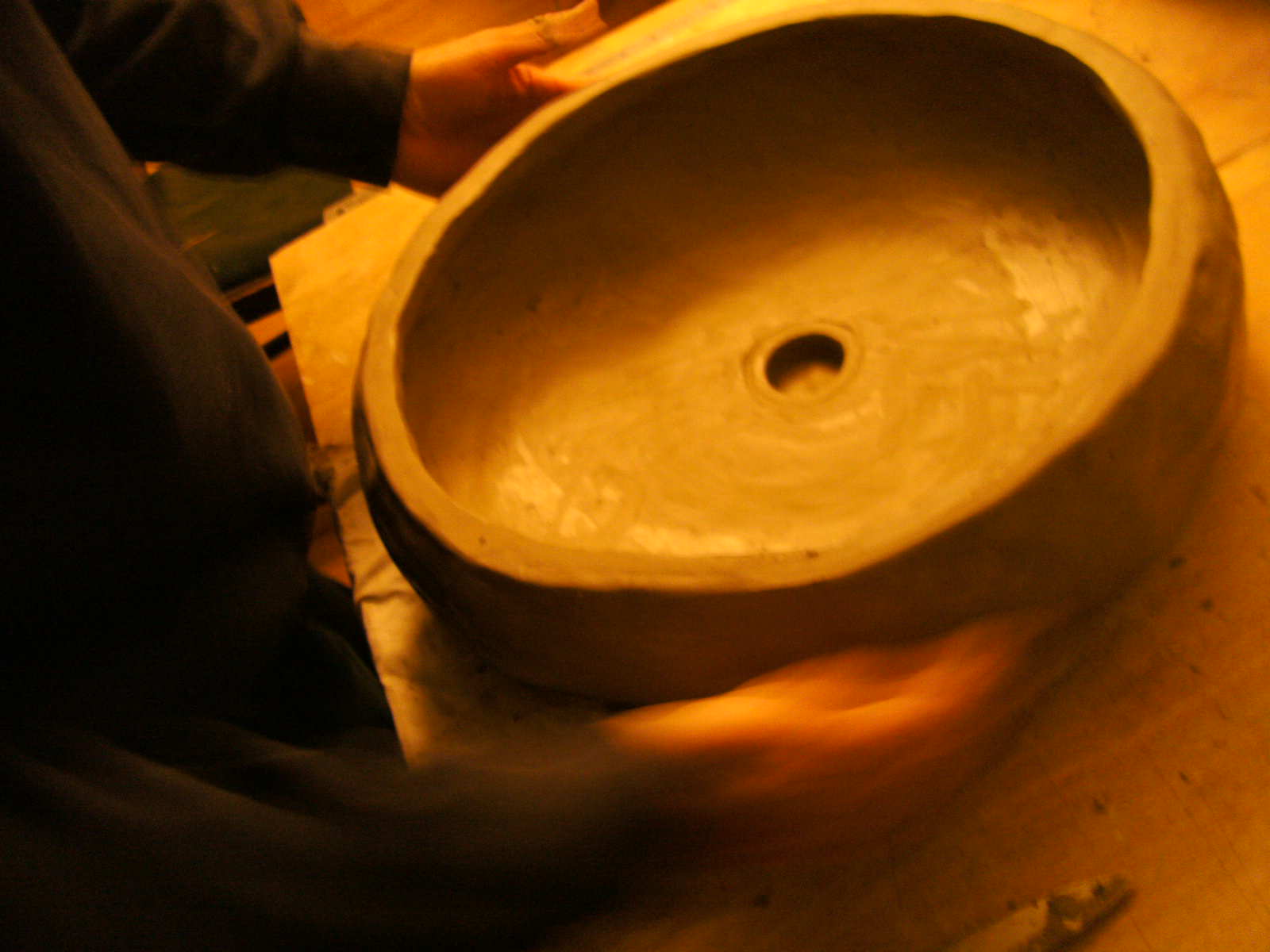
White clay bathroom basin in the making, heading for stoneware.



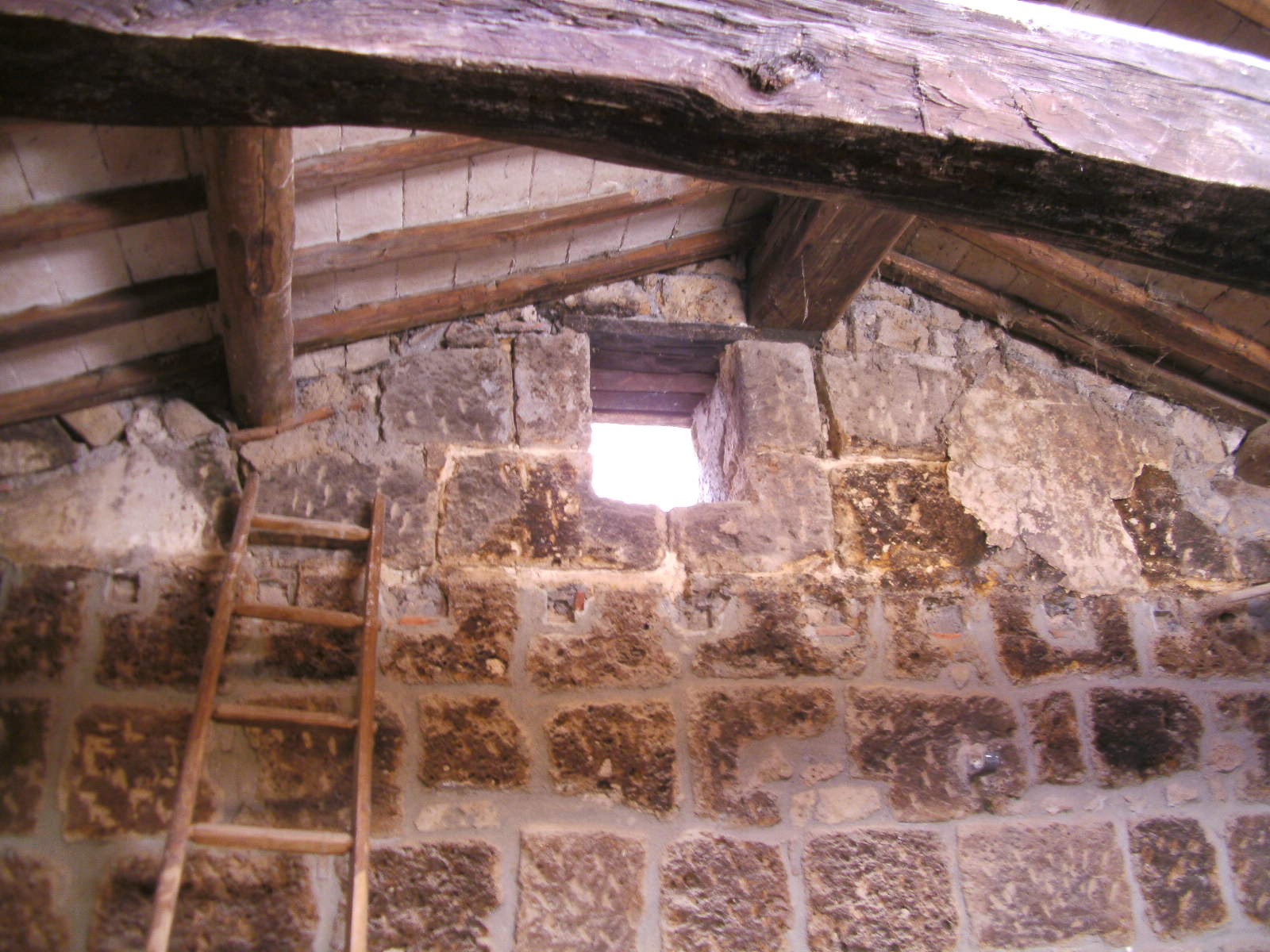
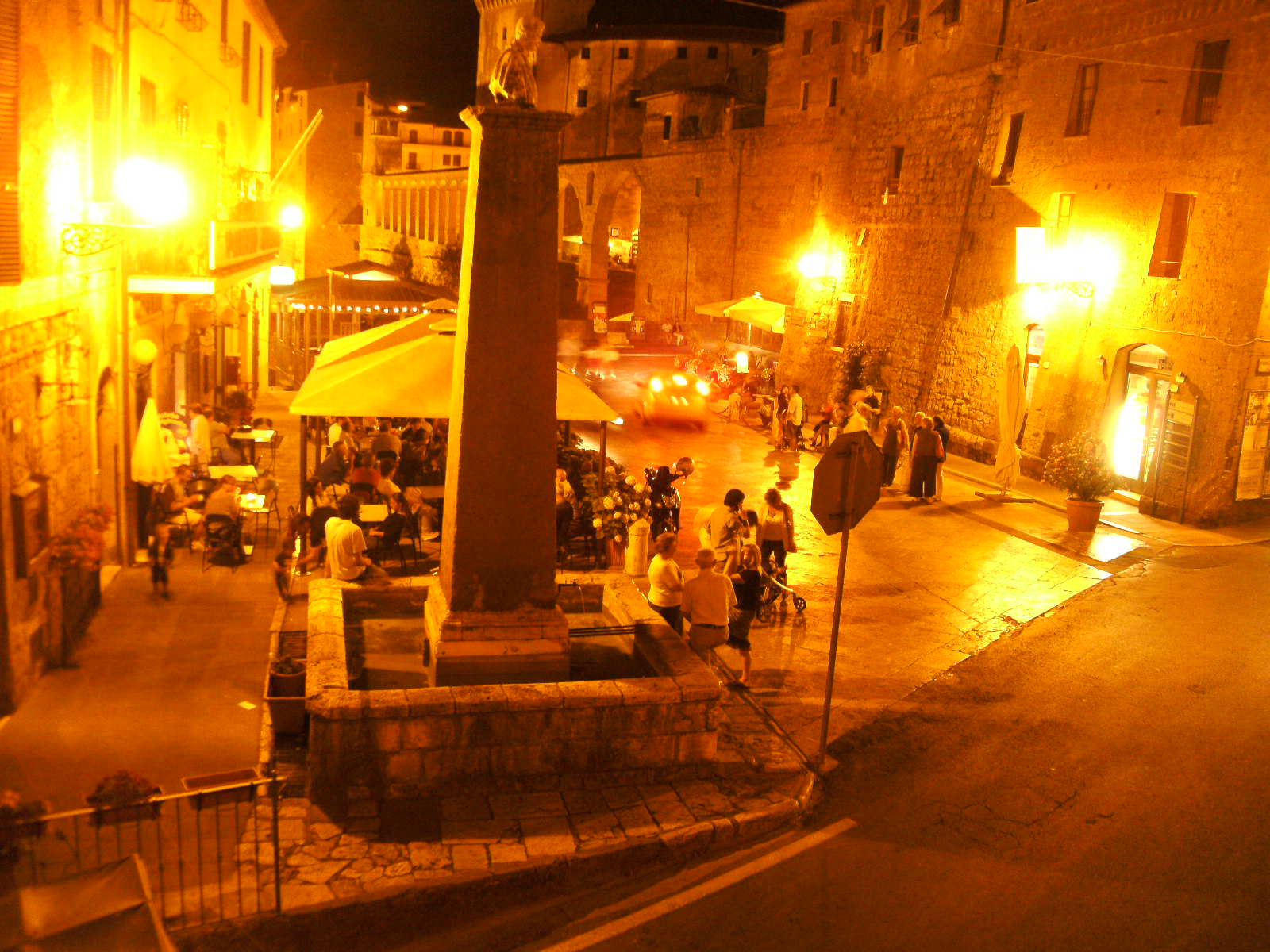
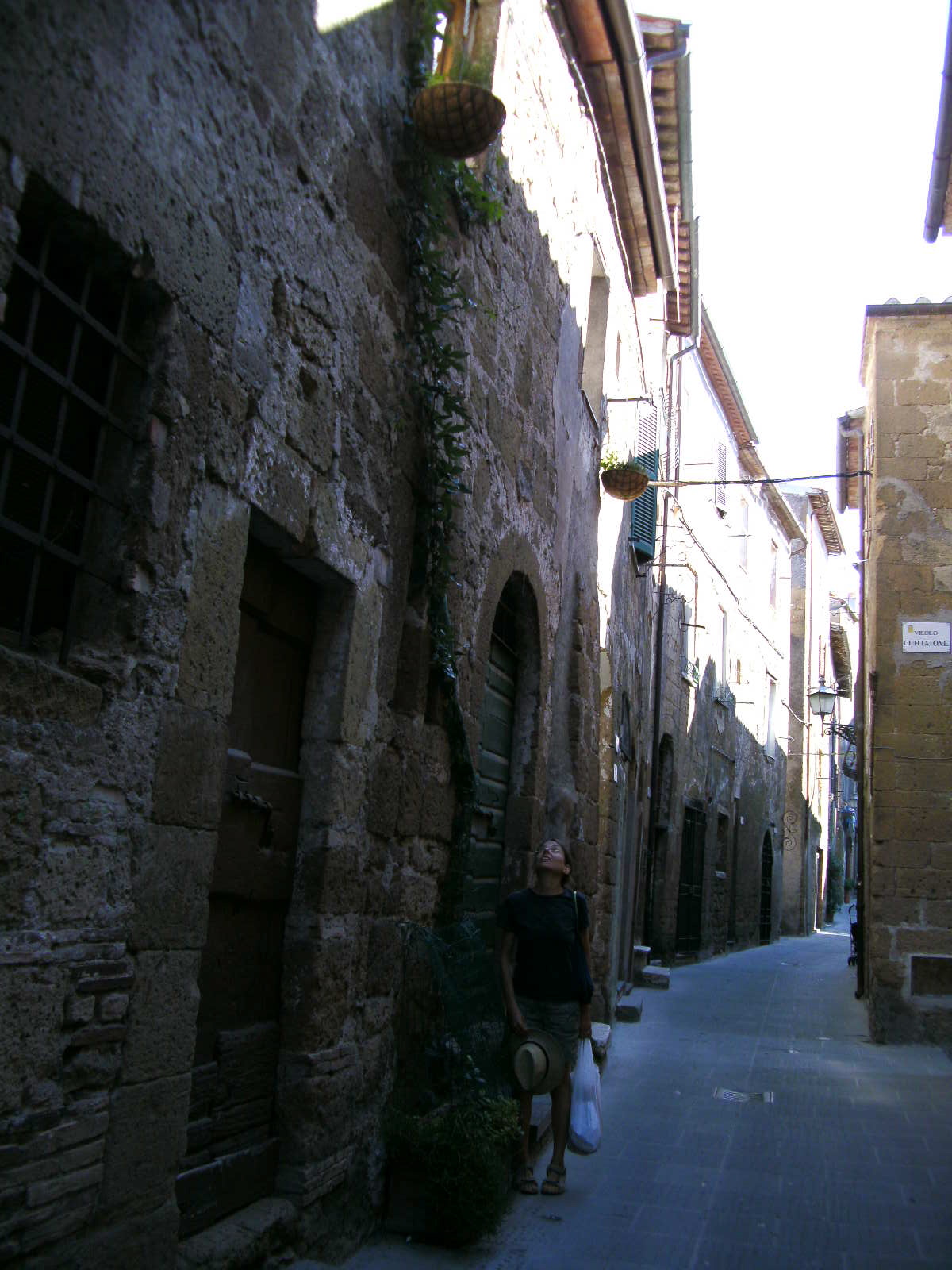
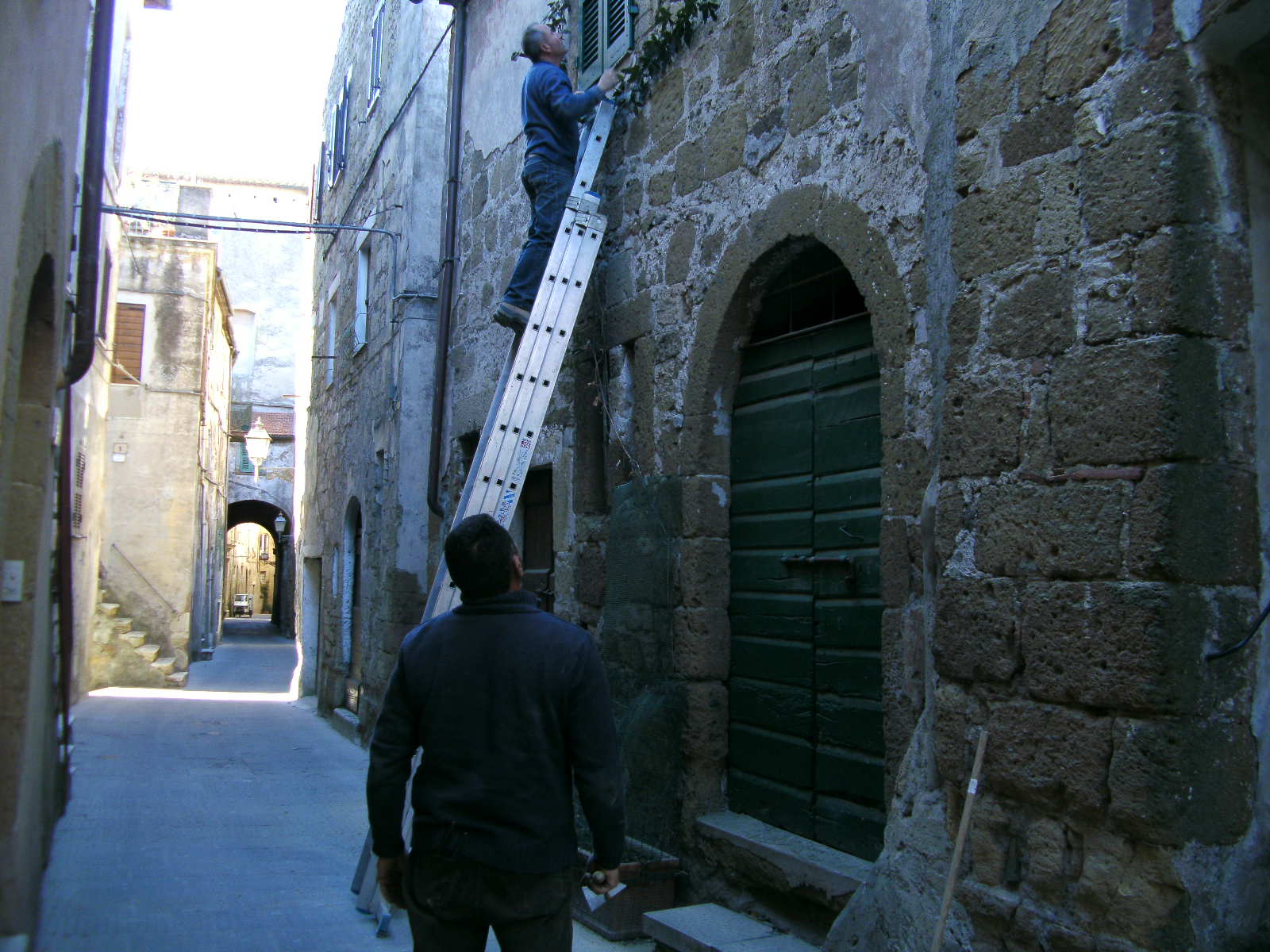
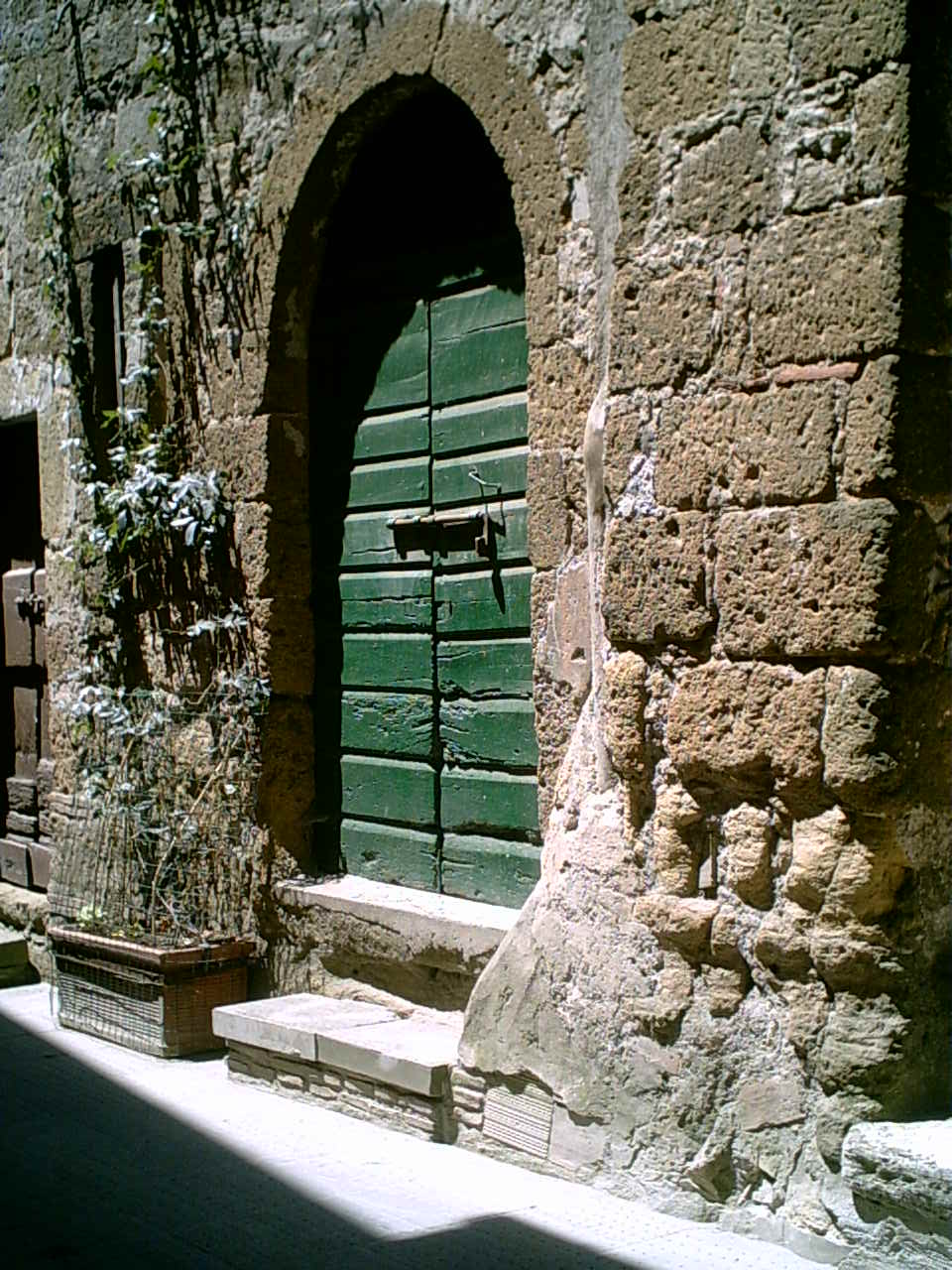
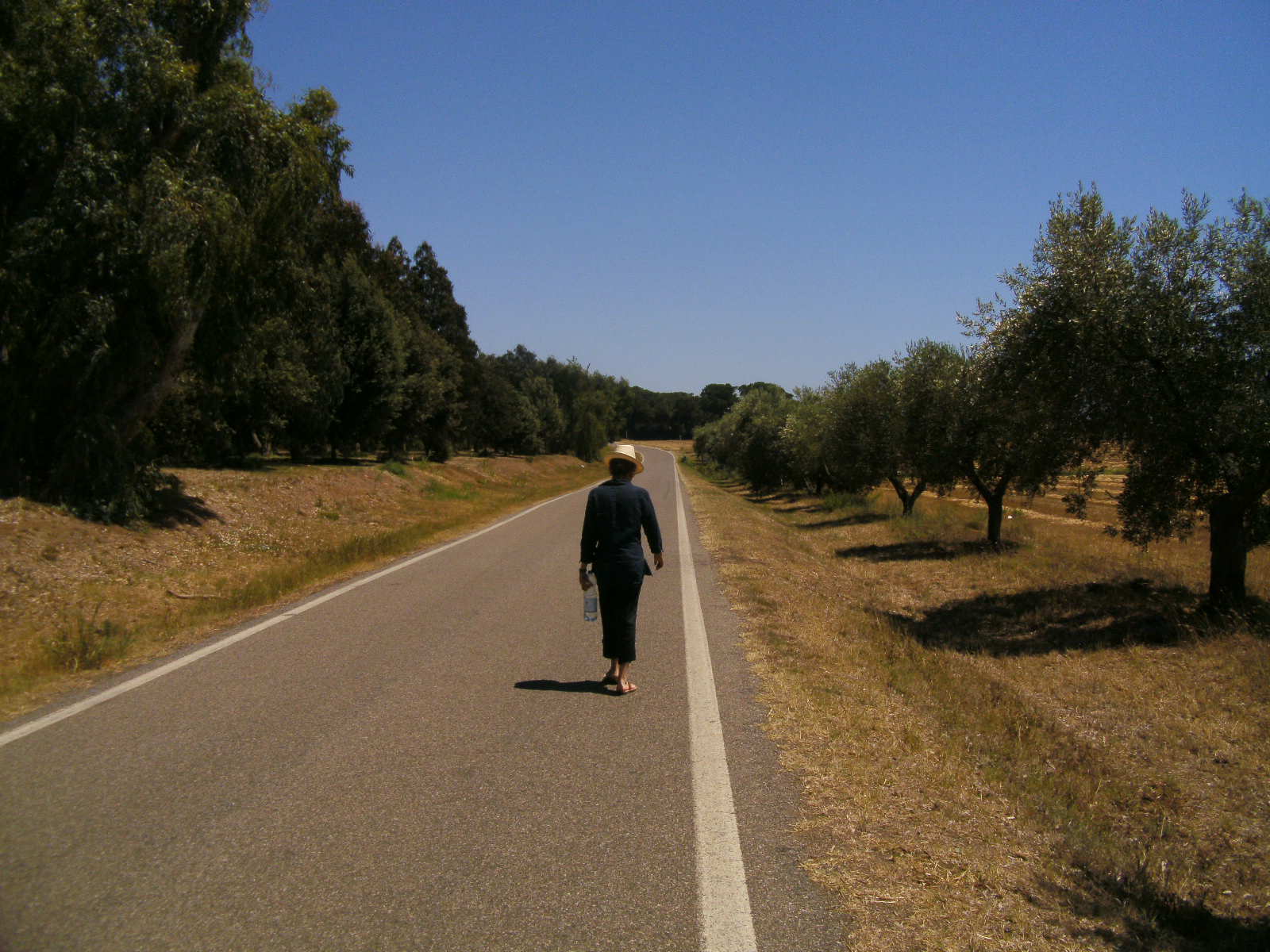
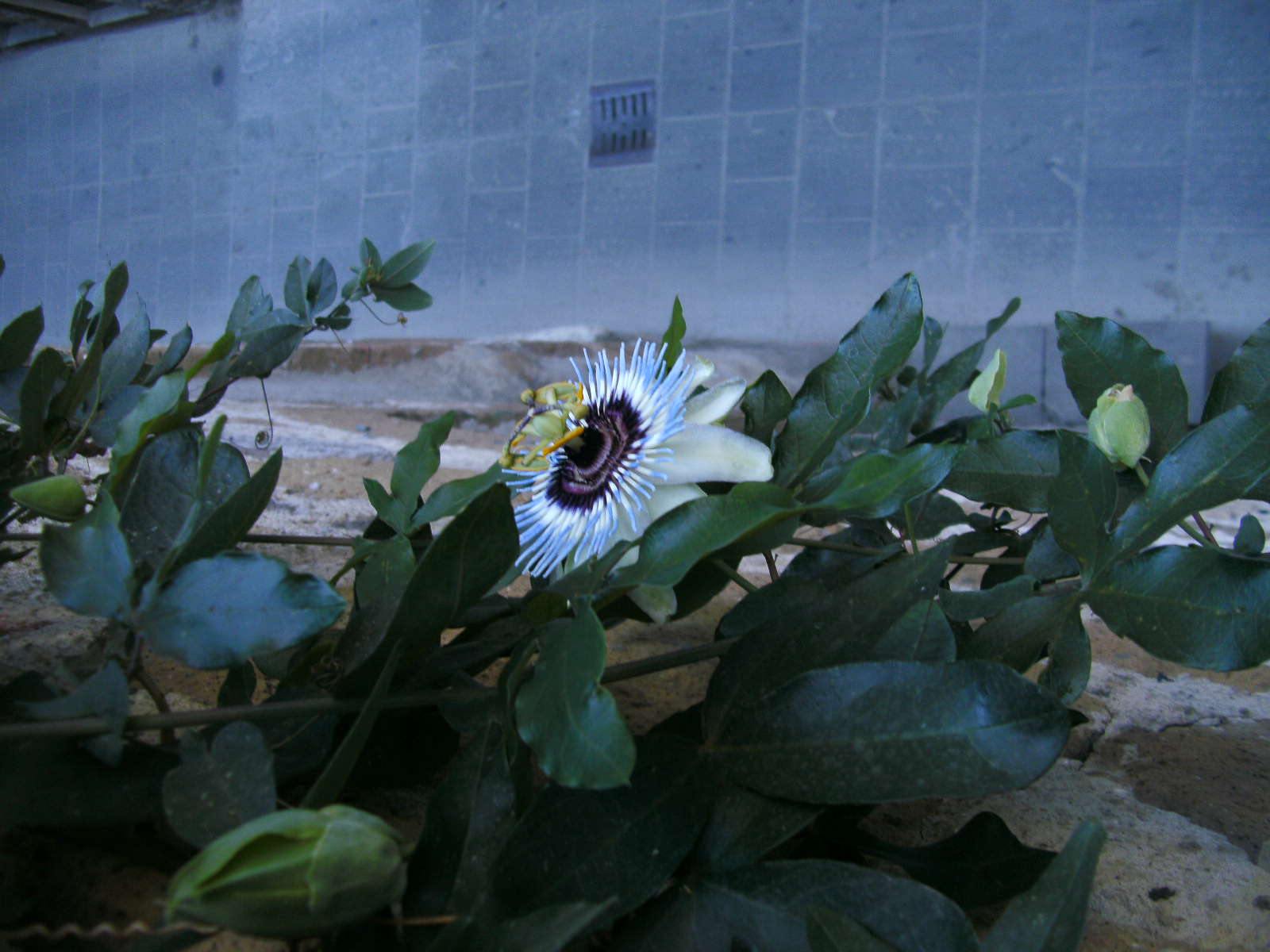
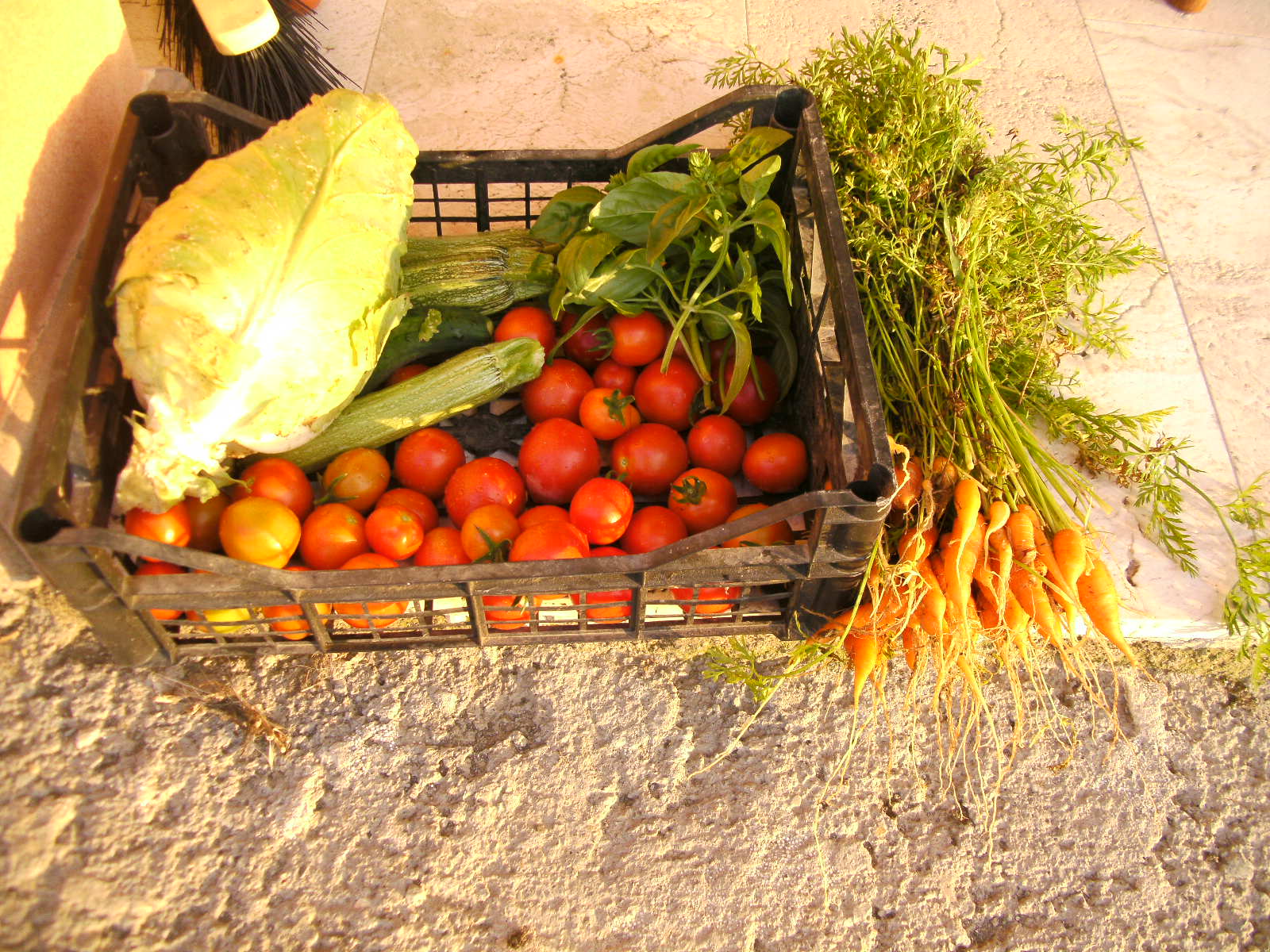
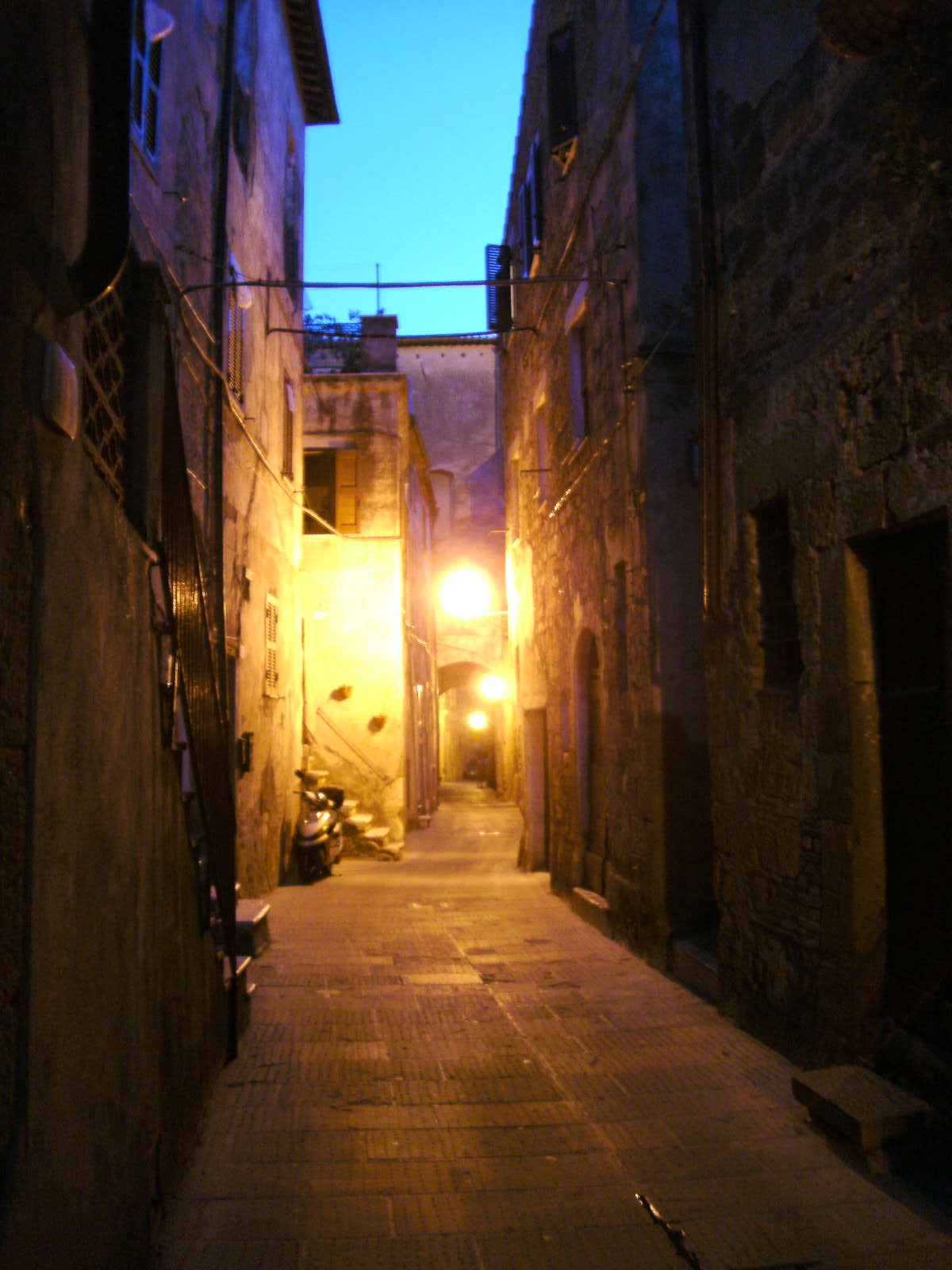
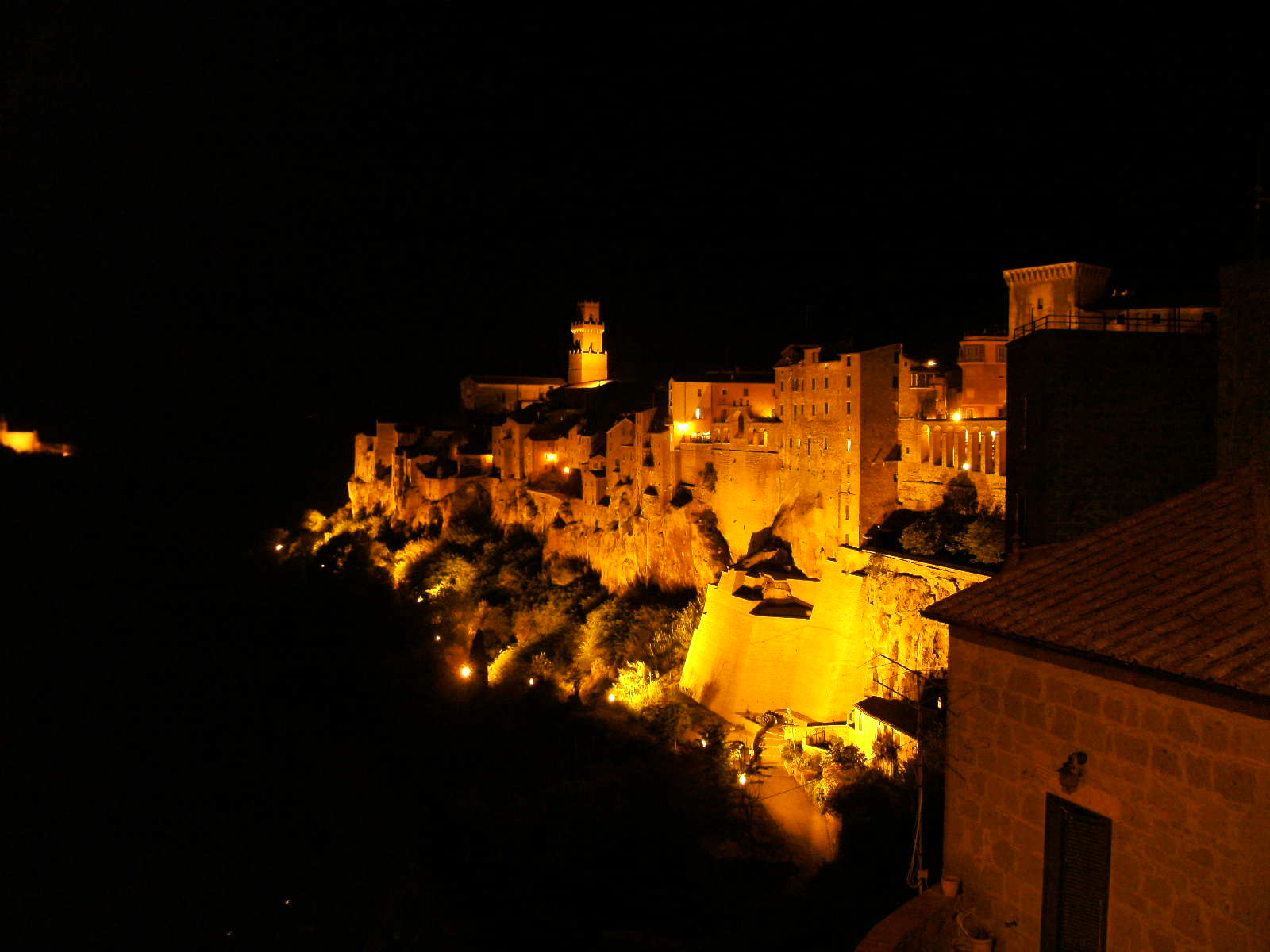
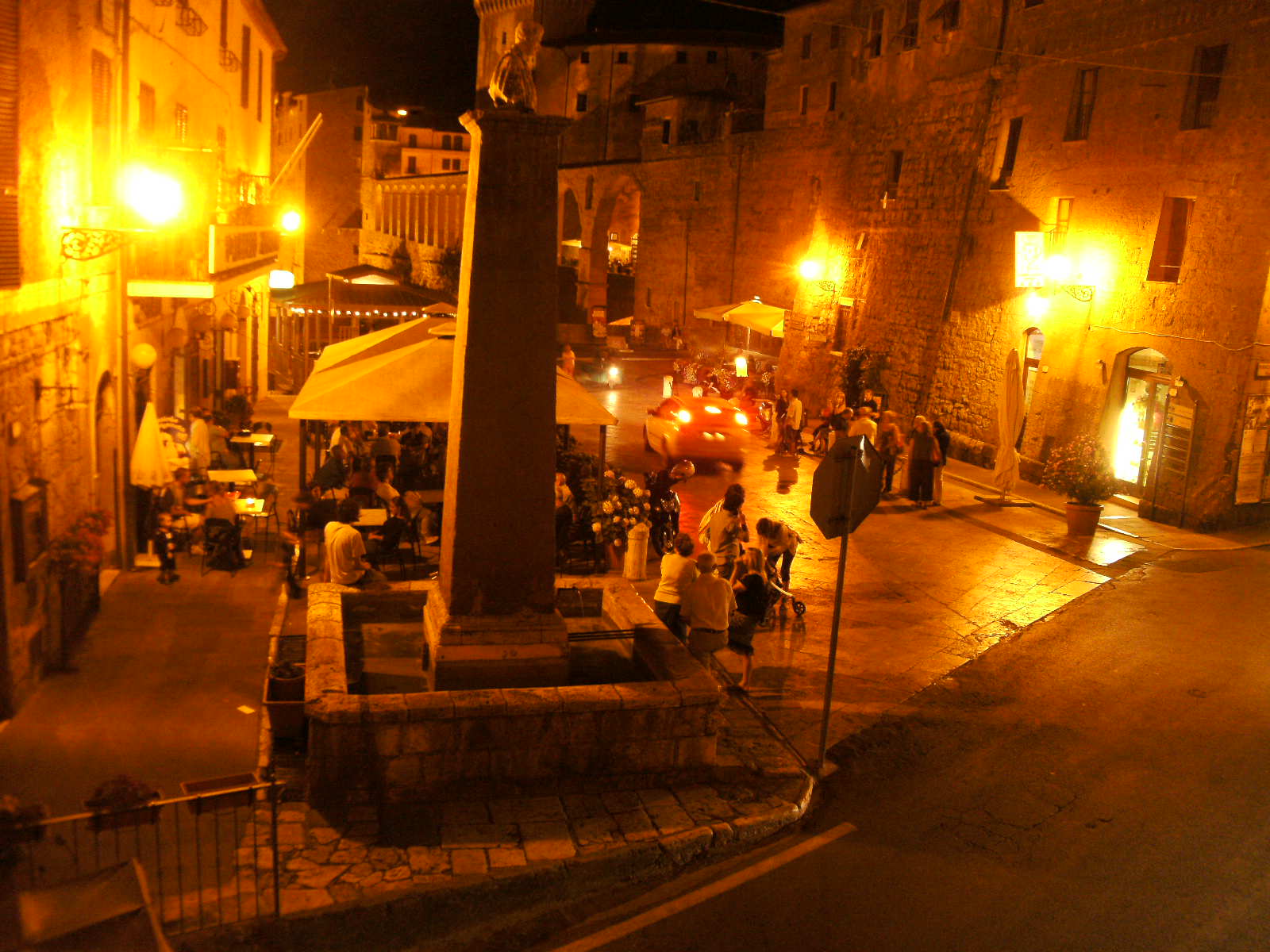
It’s now ten years that we have been in Pitigliano, renovating, holidaying and living. We chose Pitigliano, in the hills of La Maremma, southern Tuscany, for several reasons – the town itself; the hot springs of Saturnia; the wonderful beaches south of Argentario, and the countryside all around. Here are a few photos.

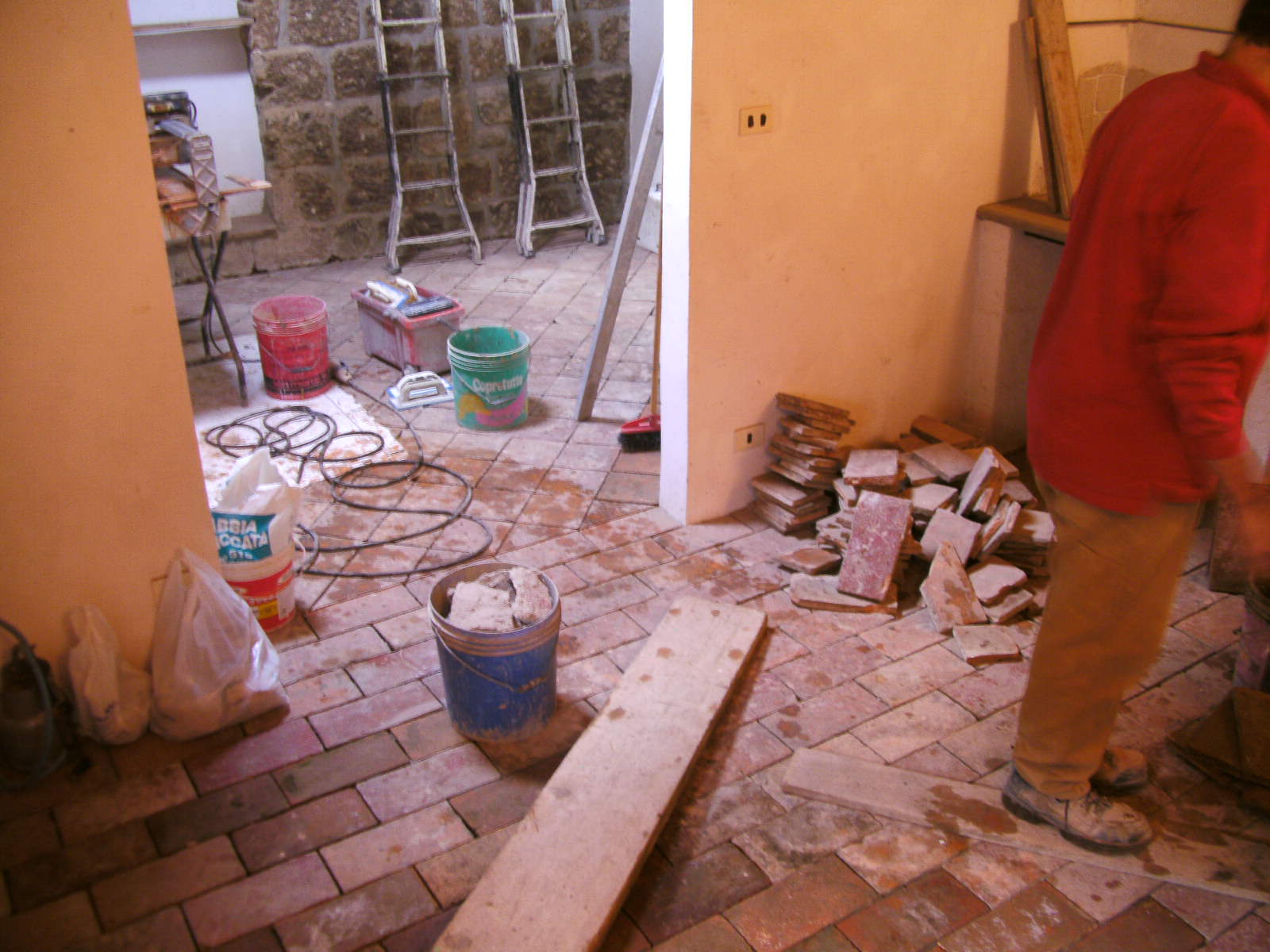
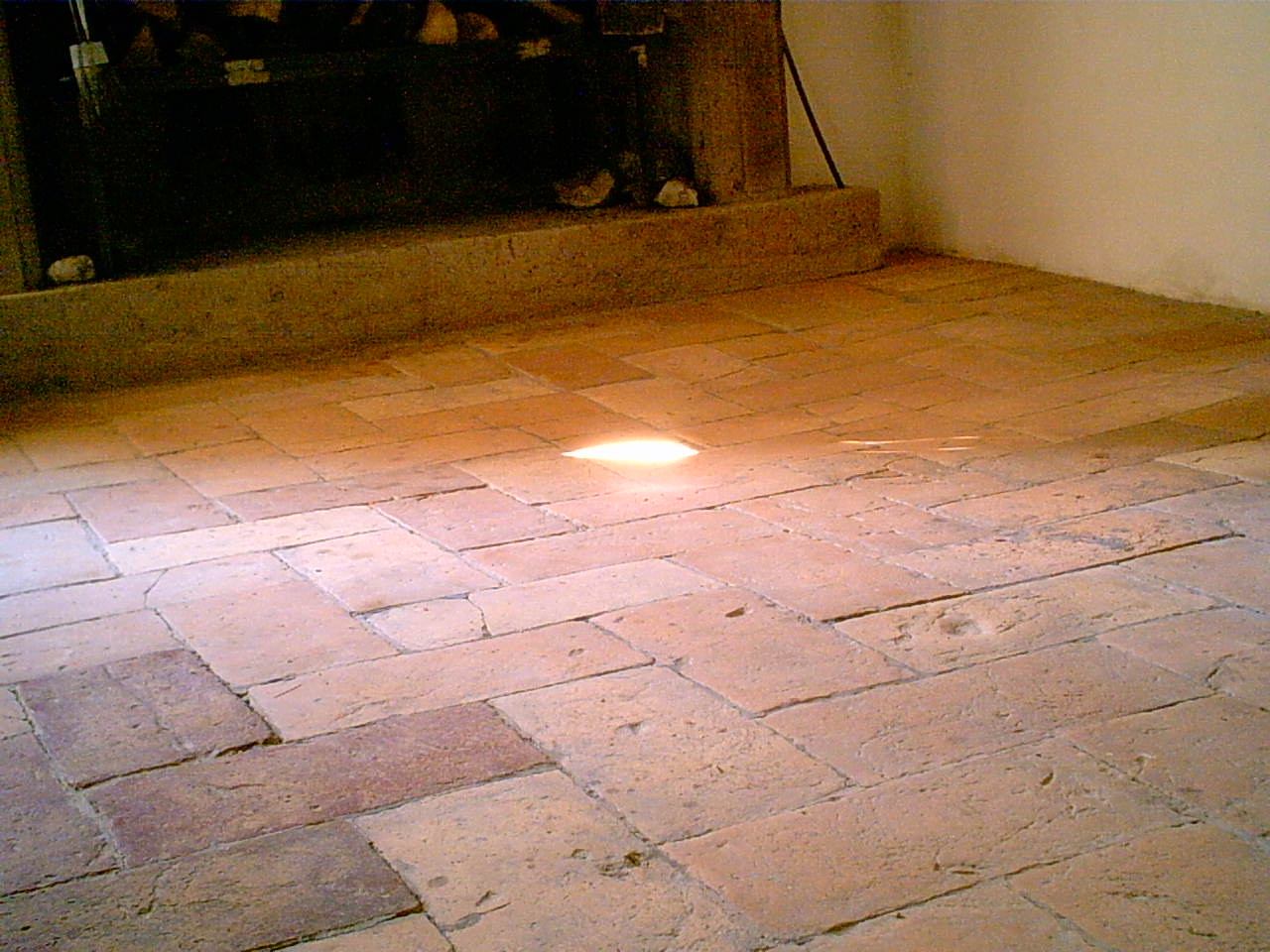
We took up the floors and found old tiles which was a wonderful find, but which now need work again because the ceiling of the magazzino (store room) below is deteriorating affecting the floor above. In truth this work was always going to be done, it was just a matter of when – when arrived in 2012.


I made my own stoneware tiles for the kitchen, following the idea of uncovered – ‘found old marble’.


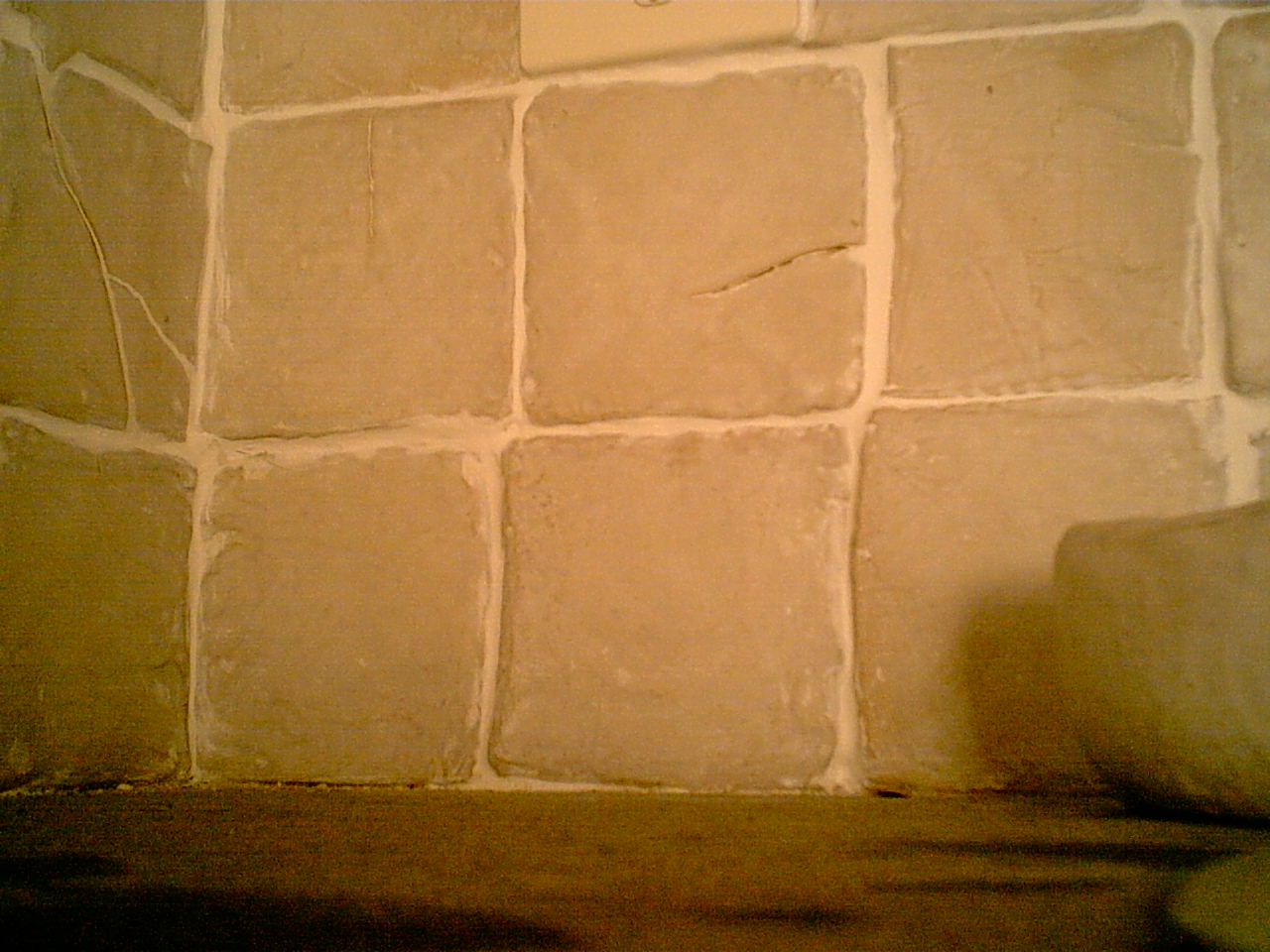

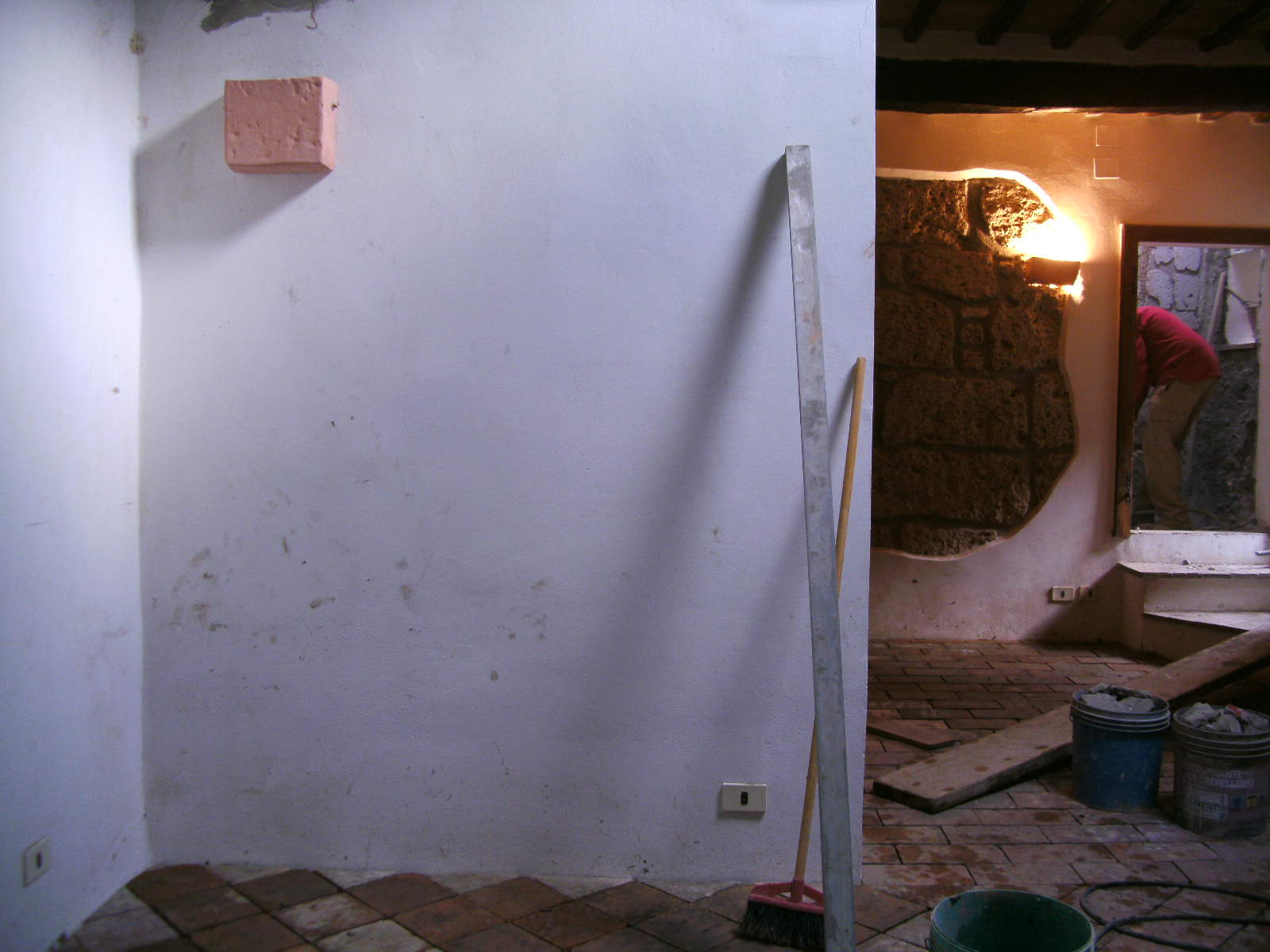
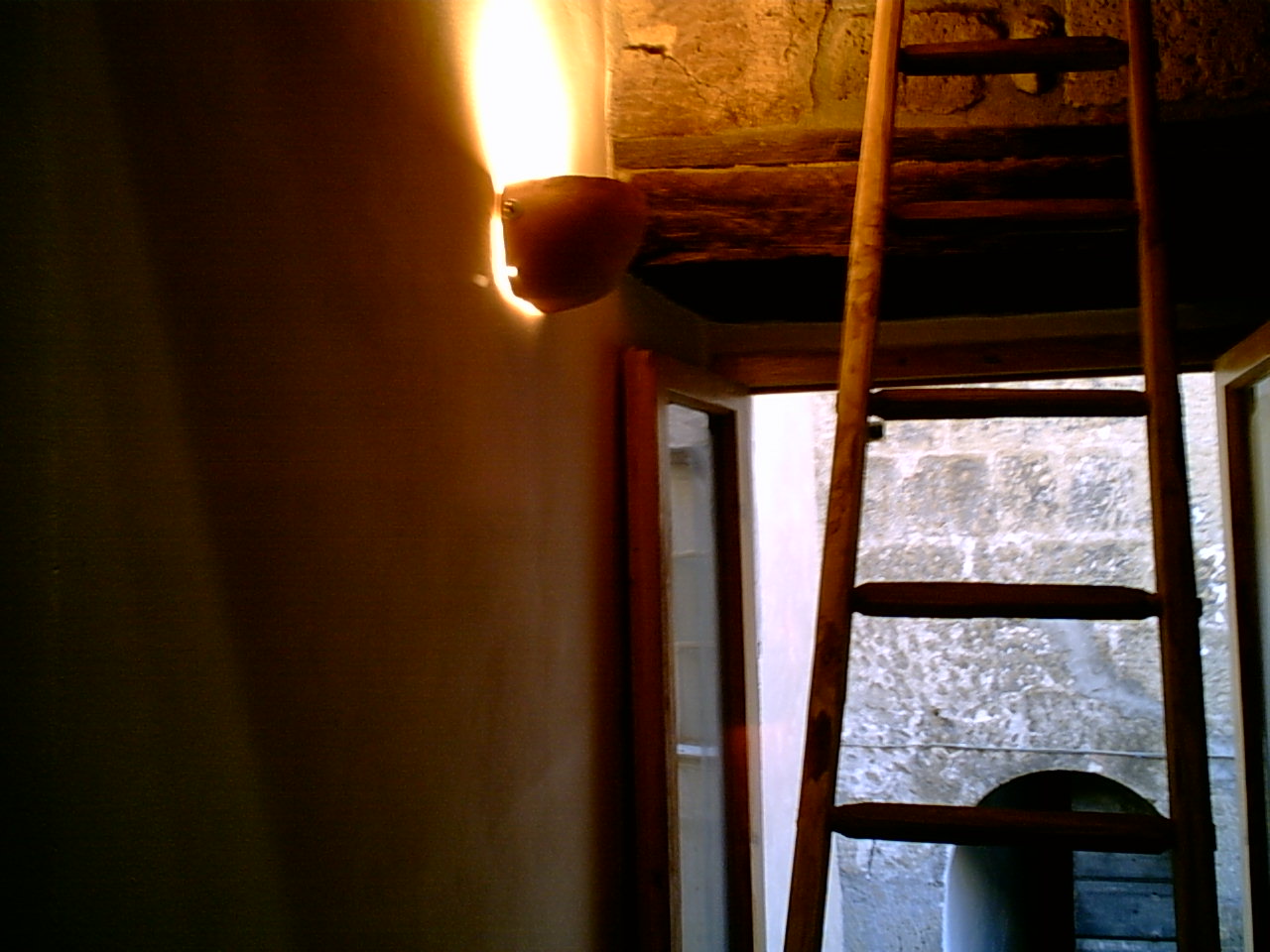
We found the original painted wall and built it around designs incorporating terracotta wall lamps I made. Not everyone would do this or even like it for his or herself, but for us the architectural point of an old house like this, going back in parts to the 17th century – as it it is for local builders – is that you create and reconfigure old aspects and ‘finds’ into the overall look.


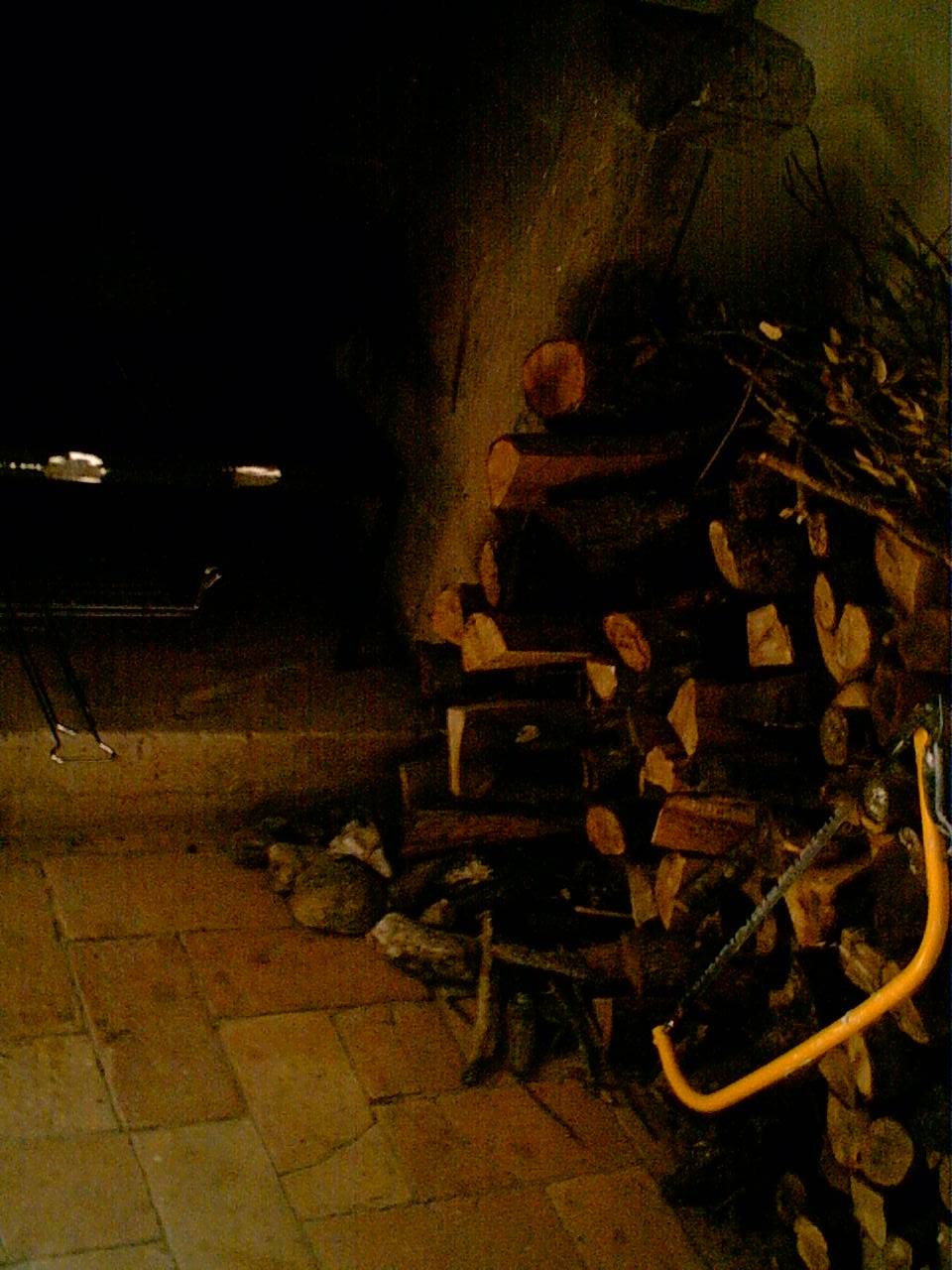
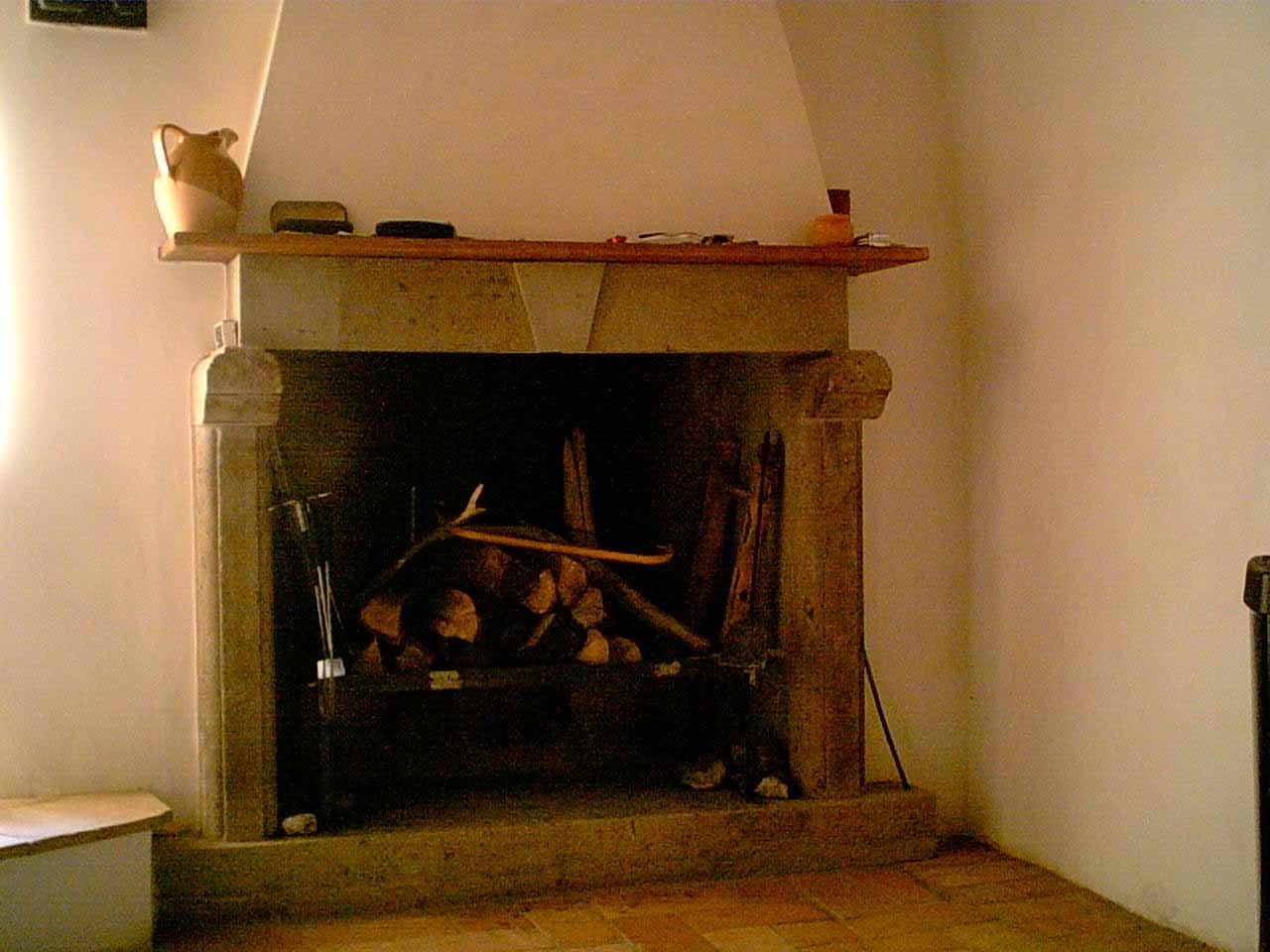
The fireplace was completely excavated, set back and made much larger, and we designed a heavy cast iron grill and had it made at a local foundry, so any fire on it would suck up the air and roar up the chimney.
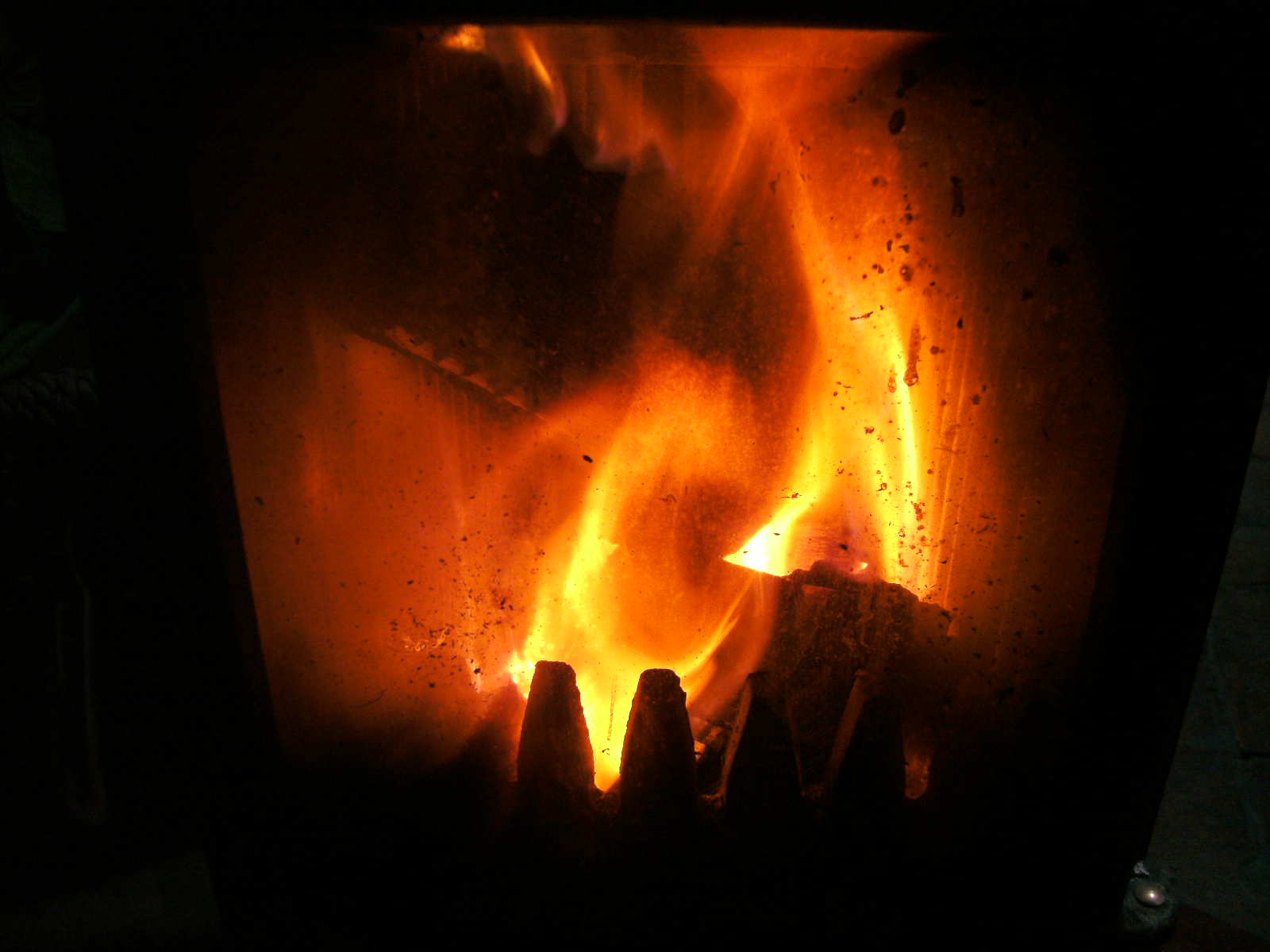
A wood heater (la stufa), for keeping the house warm when a roaring wood fire would create too much heat.


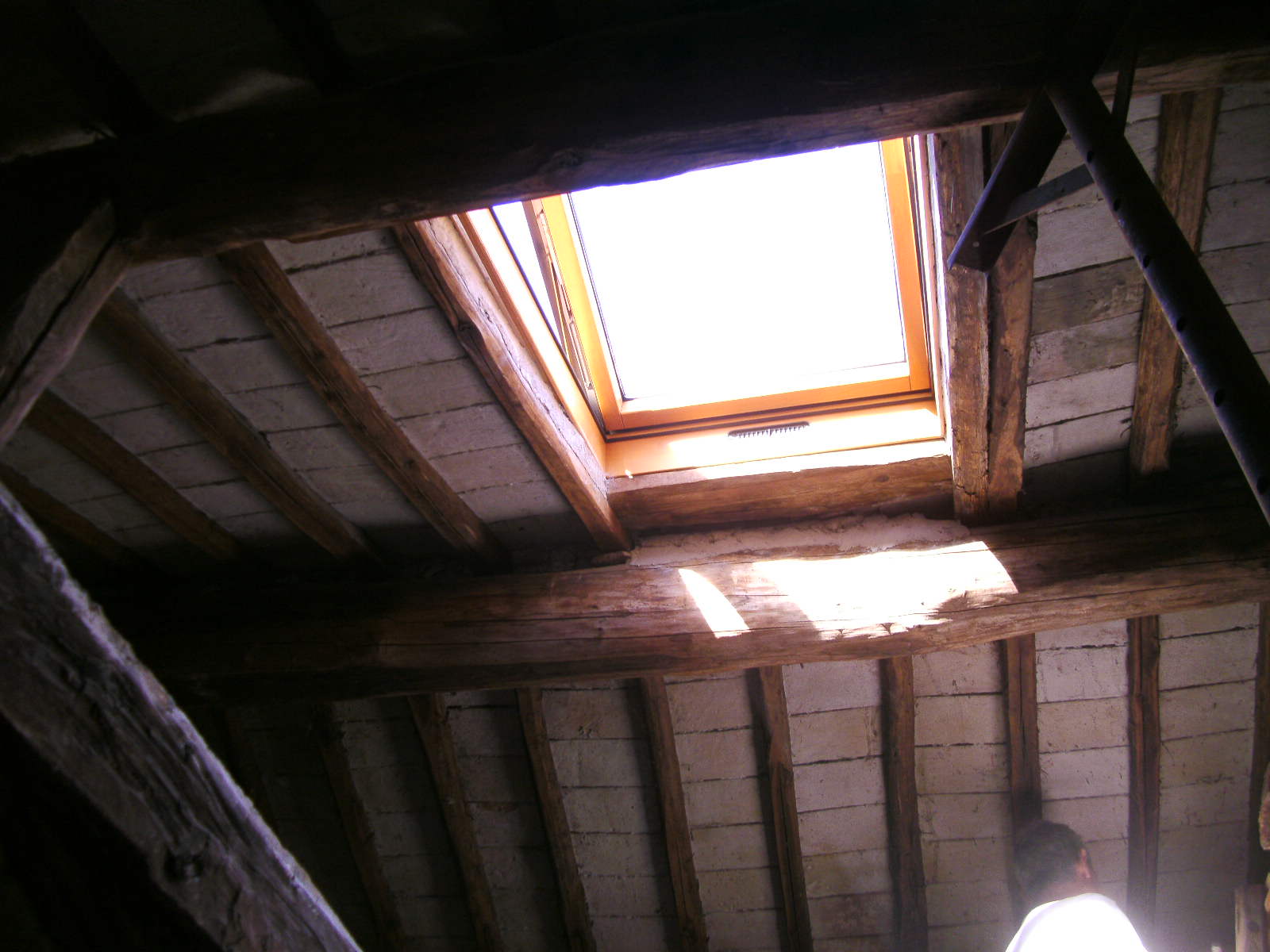
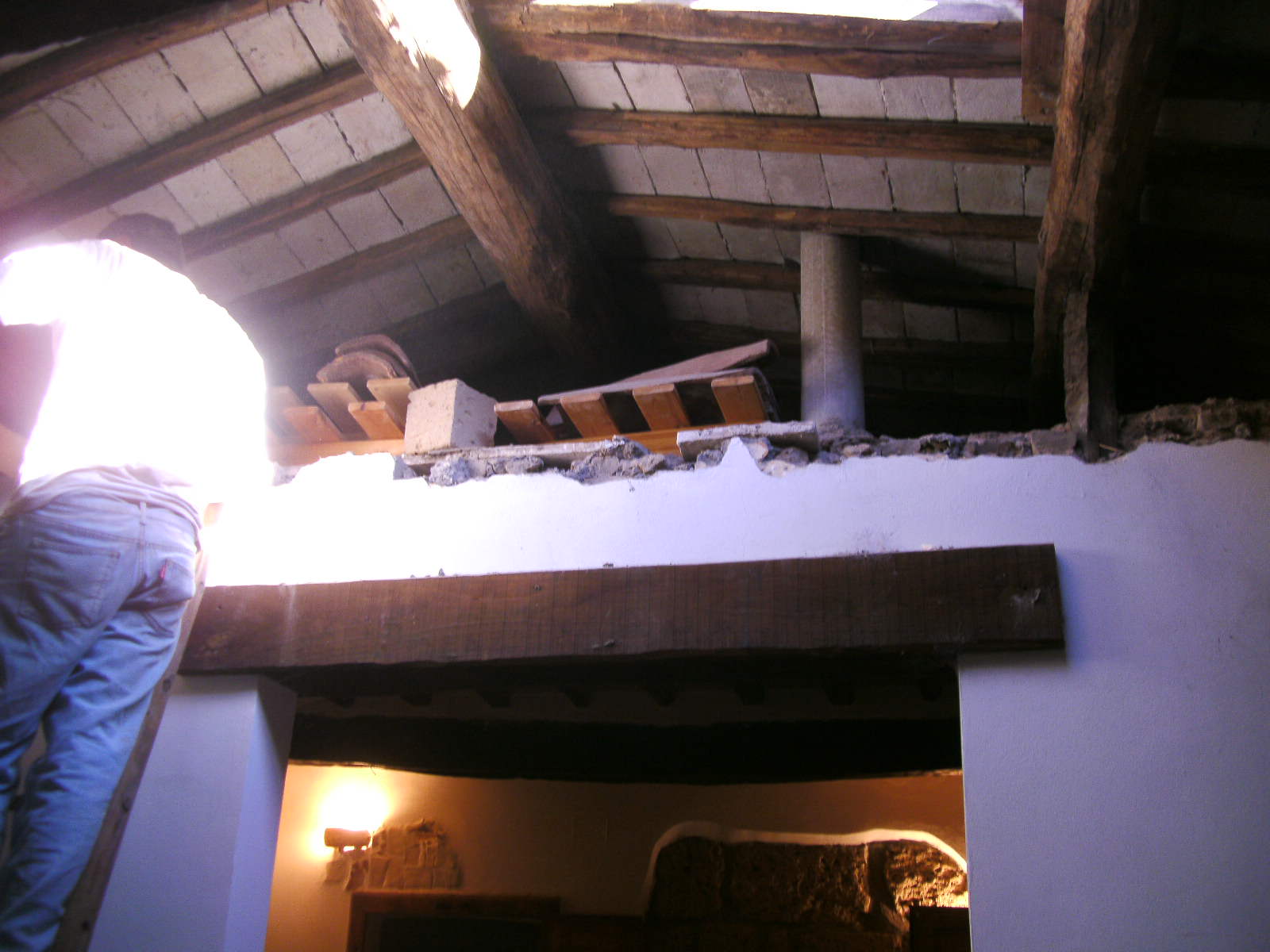
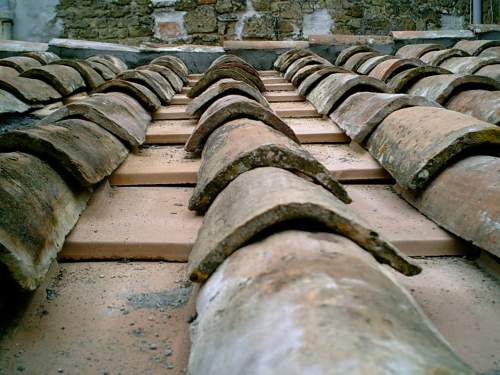
The roof was redone.

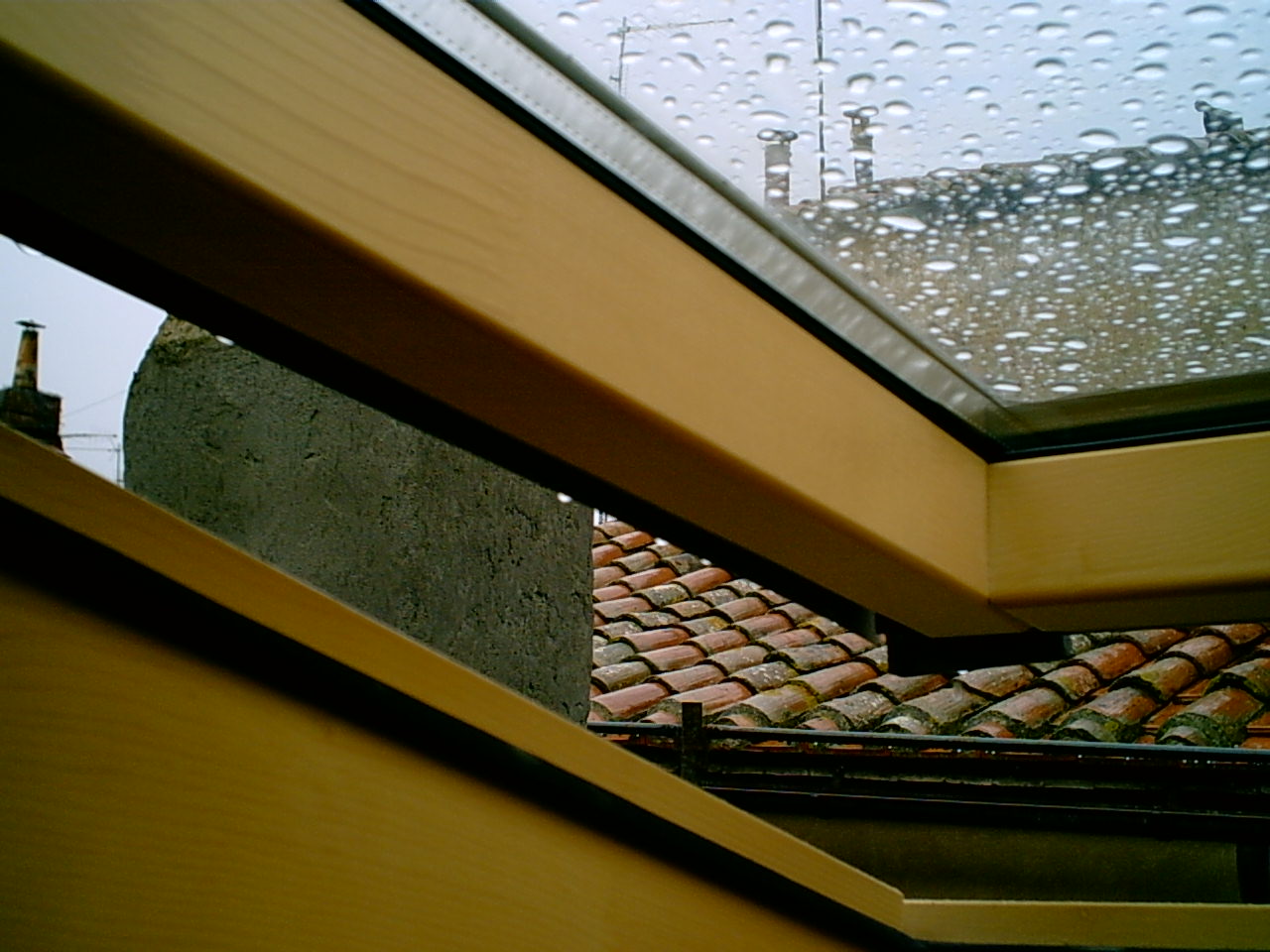
Ceilings and a skylight done.


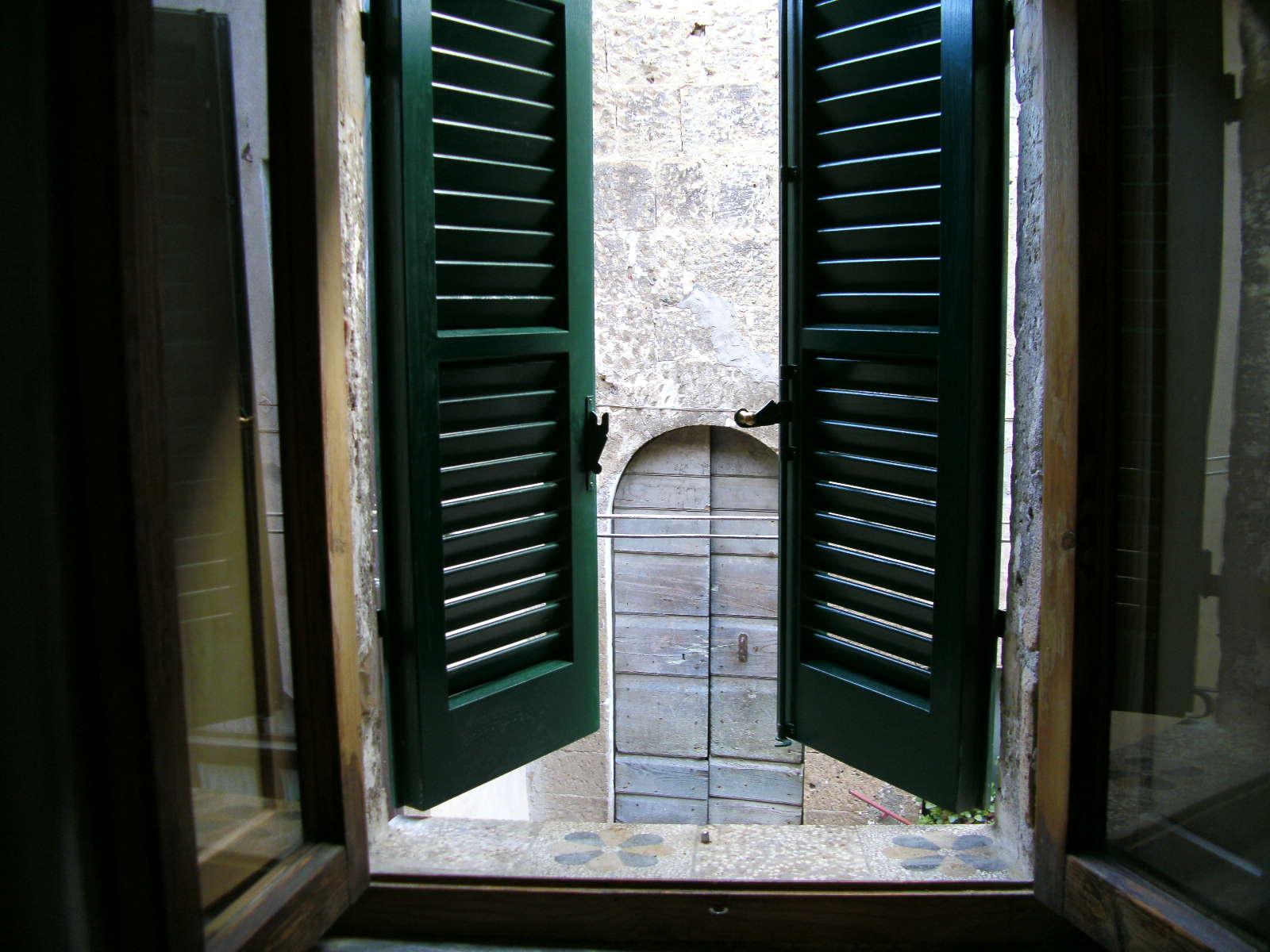
Shutters (le persiane) put up.

Slowly, modestly we are getting the house in shape.


Christian Mihai discusses his ideas on unreliable narrators, something he likes to see writers use, and a technique he says he uses himself. Still, he misses a fundamental point – all narrators, storytellers, dramatists, poets, are unreliable. From Homer, Shakespeare to Sartre, no writer tells, gets close to ‘the truth’, even if he or she is prepared to die in the process of collecting all the observable details of a factually based fiction.

Do we trust Tolstoy’s account of Napoleon in War and Peace? Perhaps… if we are Russian.
Narrator unreliability doesn’t have to be a first person account, though the most obvious modernist exploitations of narrator unreliability in fiction use that form. The best approach – for this writer at least – is when the writer sets out to deceive us, and by convincing us that he or she has told the truth, transfers any doubt on narratorial reliability to a reader’s interpretation of the tale.
Il cammino della vacanza (non abbastanza lunga) in Toscana luglio, 2012










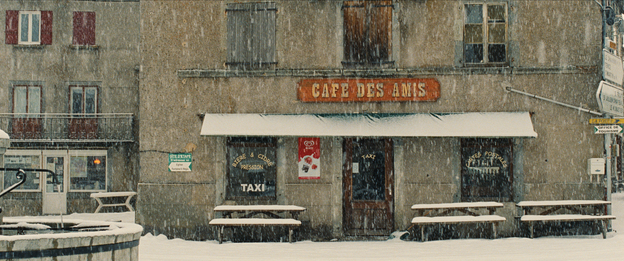
Raymond Depardon and Claudeine Nougaret’s Journal de France, a quiet, inquiet, incisive and drifting study of their fifty-year collaboration and life in photo and cine-journalism.


Journal went straight through the eye to the heart, reminding me of all the driving I have done throughout France on the way to Italy, the footage I have filmed around the globe. The best art reminds of ourselves and our own lives always.
Some of the most arresting cine-images and moments were not North Africa, Venezuela or Czechoslovakia in political turmoil but the still images taken in quite places along French roads.

 Swimanög