
From the moment in Annie Hall when he led Marshall McLuhan out from behind a film hoarding in a New York cinema I have been a huge fan of Woody Allen. He is America’s best writer director of ensemble urban comedies – truly a unique filmmaker.
Stanley’s say
I recently saw Stanley Tucci’s 1964 Paris set Final Portrait, with Geoffrey Rush playing the lead, artist, painter Alberto Giacometti.
Not much happens in terms of the old story plot nexus but a lot goes on.
Verdict: Wonderful film, brilliantly observed. Great cast and script. Funny ironic tender sad cruel. Bring on more Stanley. 9/10
I’d give it ten out of ten but no films hit that high for me. Music, painting, literature, yes. Films, no. Too many departments, too many hands on deck for something not to go wrong somewhere.
Renovation 5 (di mattina)

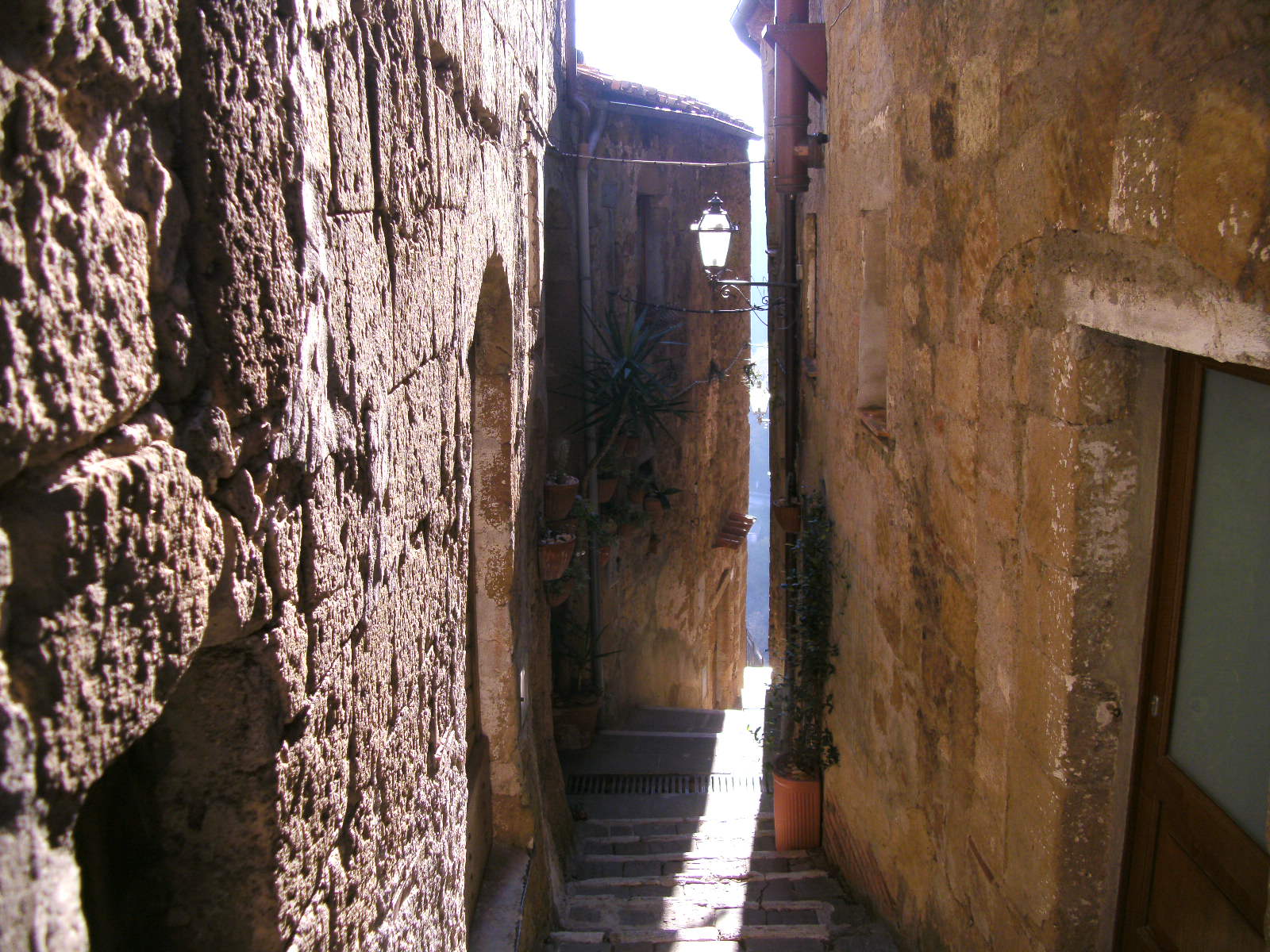







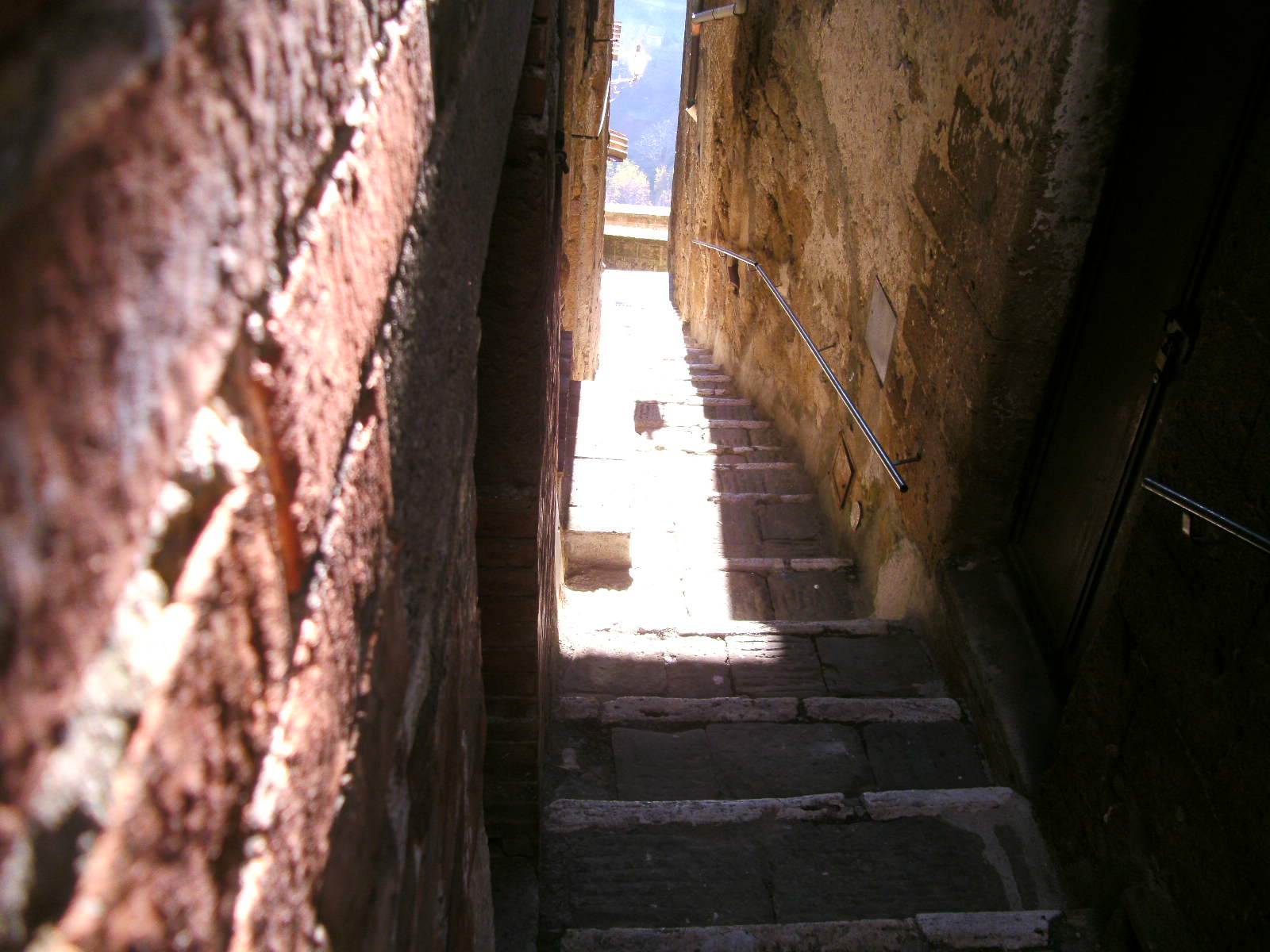






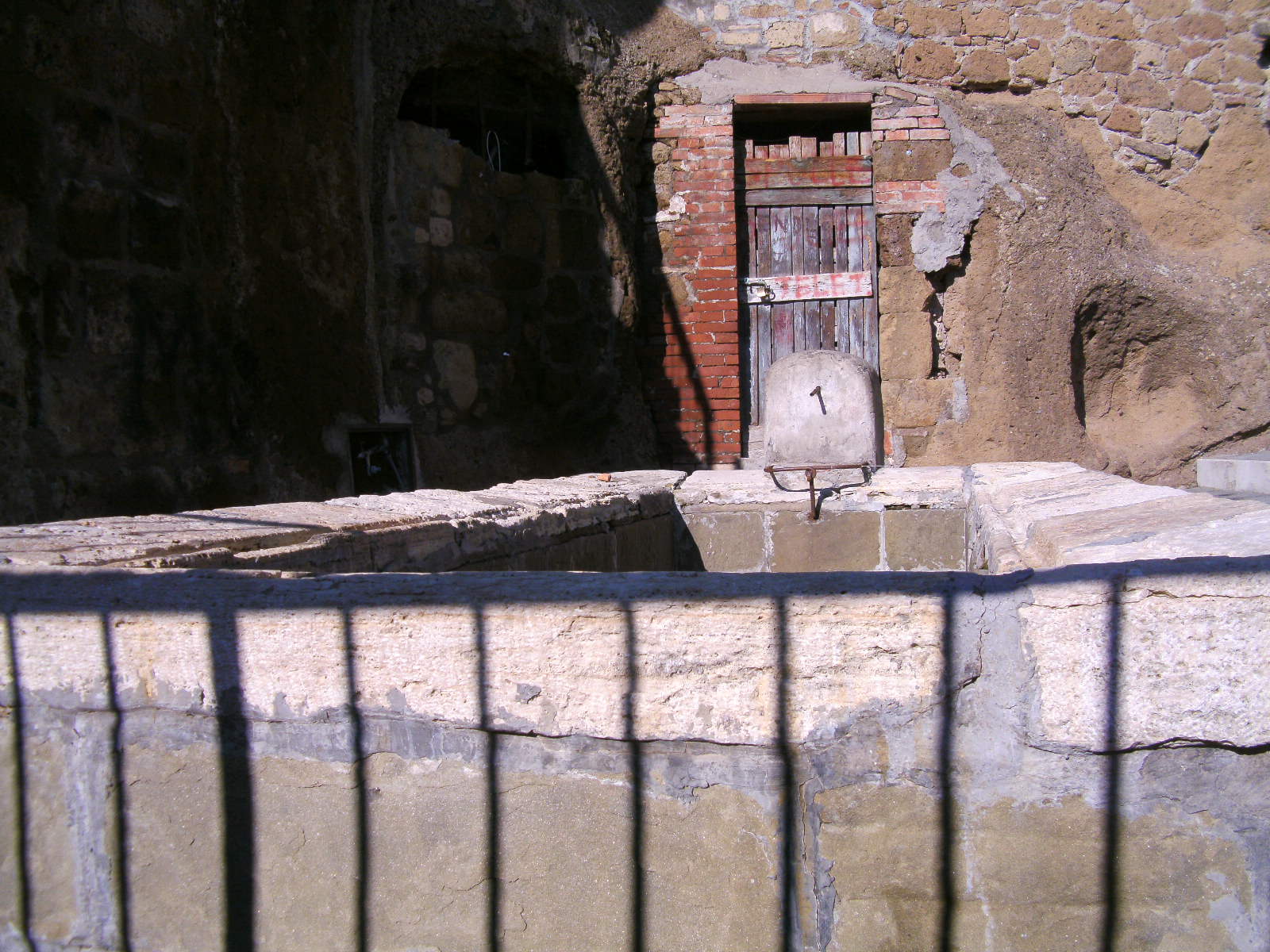
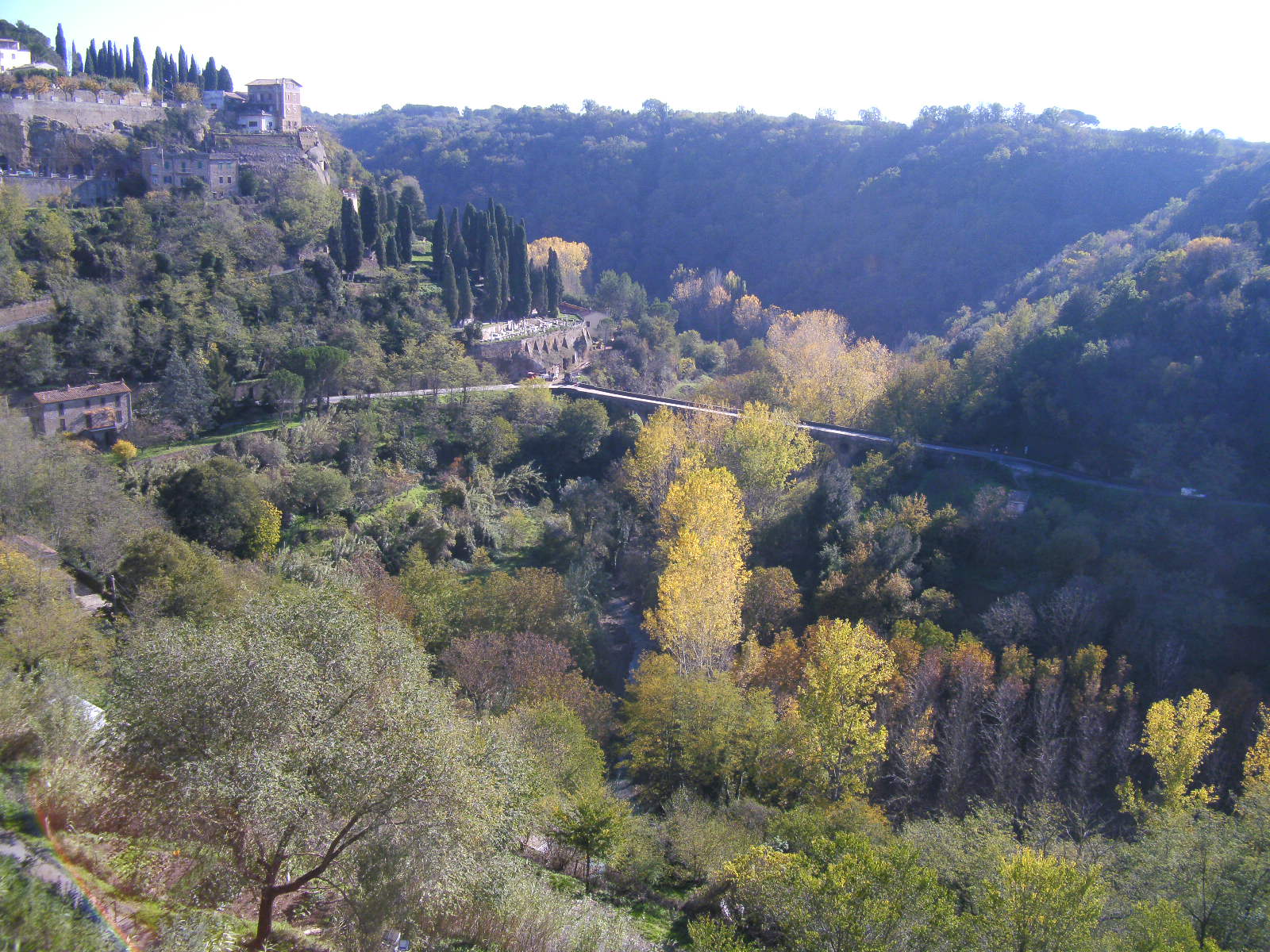
Renovation 4 (di sera)



Renovation 3





Narratorial Unreliability
Christian Mihai discusses his ideas on unreliable narrators, something he likes to see writers use, and a technique he says he uses himself. Still, he misses a fundamental point – all narrators, storytellers, dramatists, poets, are unreliable. From Homer, Shakespeare to Sartre, no writer tells, gets close to ‘the truth’, even if he or she is prepared to die in the process of collecting all the observable details of a factually based fiction.

Do we trust Tolstoy’s account of Napoleon in War and Peace? Perhaps… if we are Russian.
Narrator unreliability doesn’t have to be a first person account, though the most obvious modernist exploitations of narrator unreliability in fiction use that form. The best approach – for this writer at least – is when the writer sets out to deceive us, and by convincing us that he or she has told the truth, transfers any doubt on narratorial reliability to a reader’s interpretation of the tale.
Out of the Kiln – Blue and white ceramics


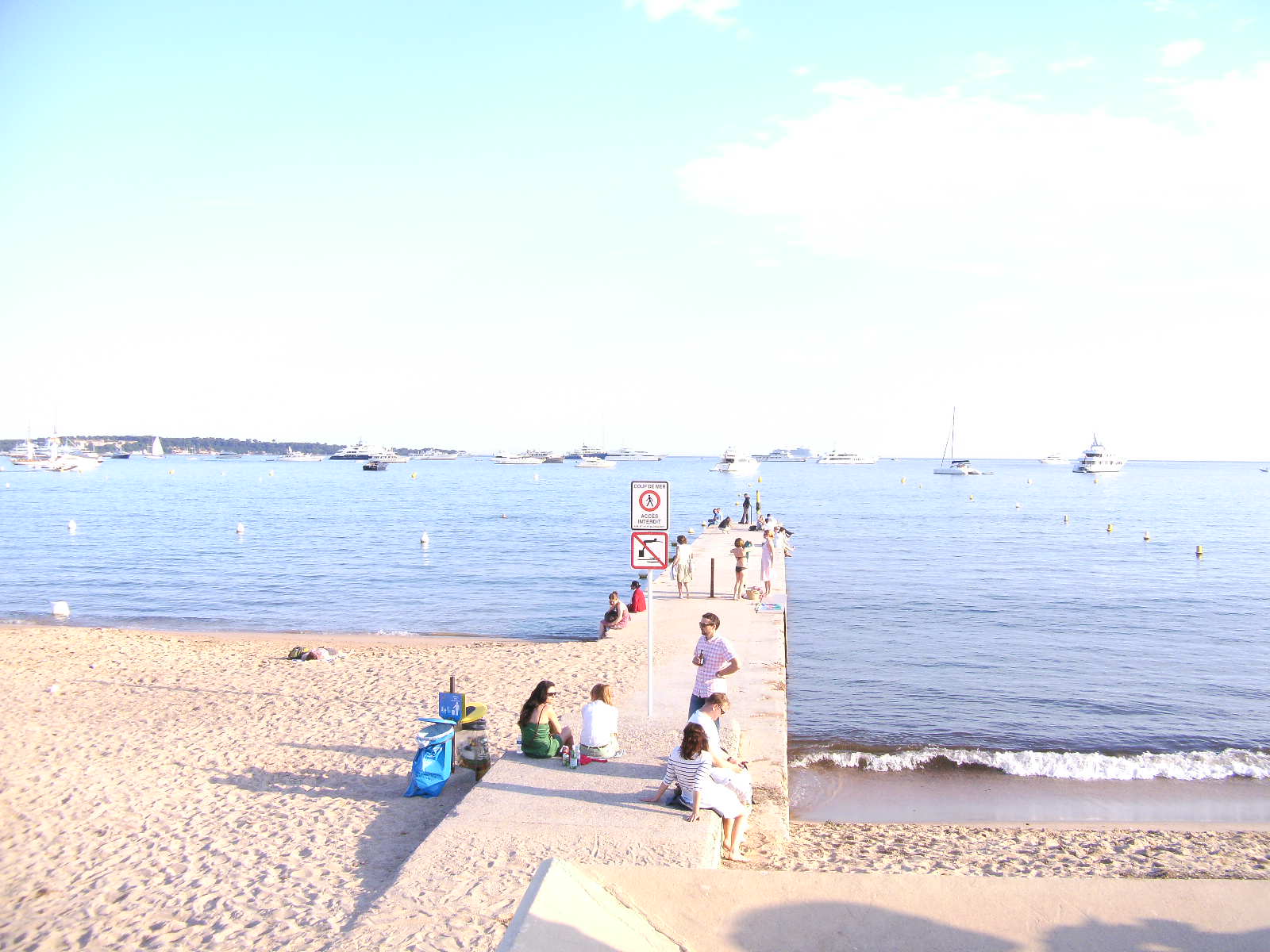
Cannes@fadeout 2012

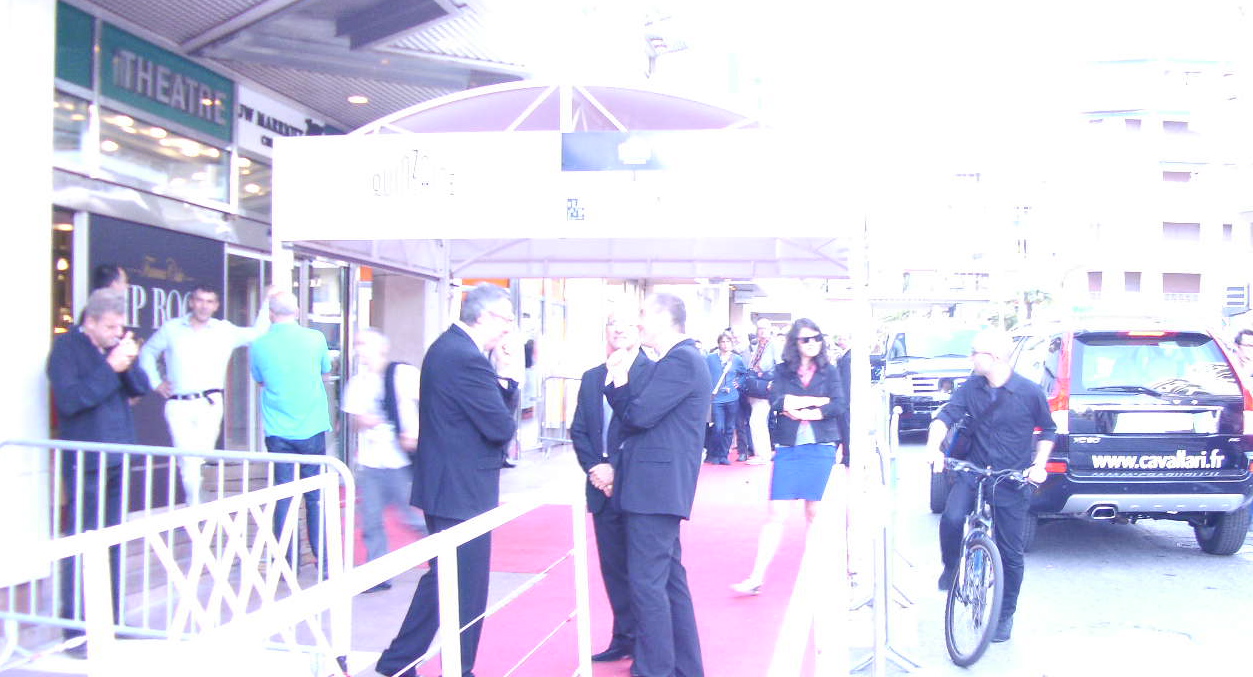



Journal de France@CANNES

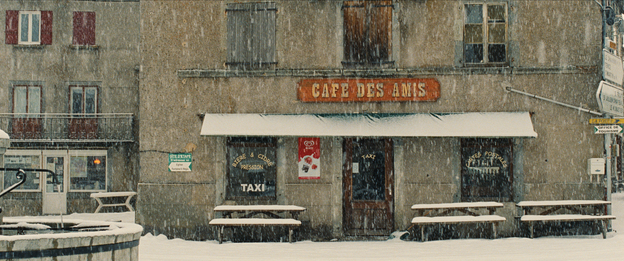
Raymond Depardon and Claudeine Nougaret’s Journal de France, a quiet, inquiet, incisive and drifting study of their fifty-year collaboration and life in photo and cine-journalism.


Journal went straight through the eye to the heart, reminding me of all the driving I have done throughout France on the way to Italy, the footage I have filmed around the globe. The best art reminds of ourselves and our own lives always.
Some of the most arresting cine-images and moments were not North Africa, Venezuela or Czechoslovakia in political turmoil but the still images taken in quite places along French roads.

NormanLloyd@CANNES

Norman Lloyd’s talk in the Salle Buñuel was a lesson in theatre, film technique, Shakespeare, Renoir, Brecht, Chaplin, Welles, Hitchcock and Kazan, and how to keep your mind a steel trap well into your nineties. I don’t know if he eats nothing but blueberries but he must be doing something right.
In an age when aging (see Haneke’s Amour) is often told in tales of sad decline, this man stands out as an object lesson of hope for all. The session was one of the highlights of Cannes in 2012. Holding his audience spellbound, Lloyd, a 97 year-old veteran of acting, directing and production, took listeners through the best part of the pantheon of cinema (the first 60 years of it). What and who he didn’t know simply wasn’t worth pursuing.

Lloyd, stage and film actor
It wasn’t just that he knew so many of those who were crucial to the development of 20th century cinema, it was he knew what they knew and why they knew it – and above all he could tell us how and why he knew what they knew. He understood their brilliance with exacting modesty, placing himself in the role of pupil to all of them. Yet for all intents and purposes he was their equal in collaboration, a creative confidant in so many ways; he travelled through film history with them not because of them. Lloyd’s contribution to film is real, tangible and deep. When he recounted how Hitchcock – a decidedly unpolitical man – with three words to NBC, “I want him” dissolved the McCarthy blacklist era, the entire audience in the Salle was stilled. Lloyd’s part in McCarthy’s ruination was just one anecdote in many. Politically involved and motivated throughout his career, Lloyd was a close friend to Jean Renoir, Chaplin, Welles and Hitchcock. Lloyd was at the heart of theatre and cinema for nearly fifty years. One of the best moments of the night was his recollection of the lines of Bertolt Brecht: “Since the people are displeased by the government, the people must be replaced.” The sharpness of wit, his breadth of cinematic knowledge was stunning.
 Swimanög